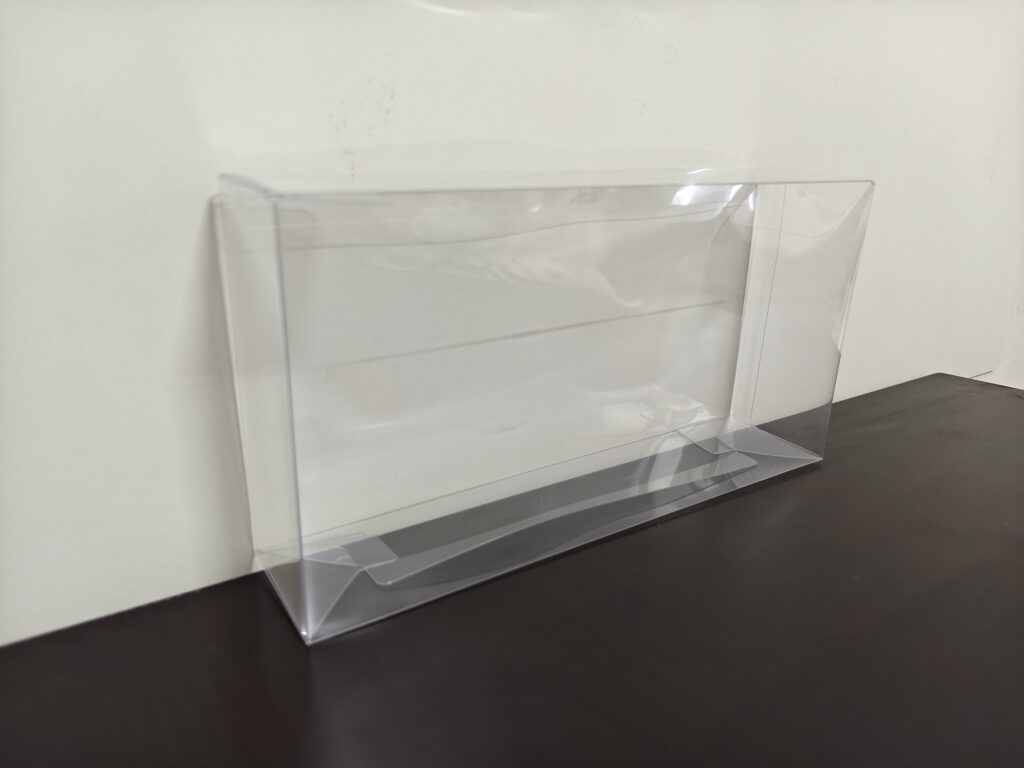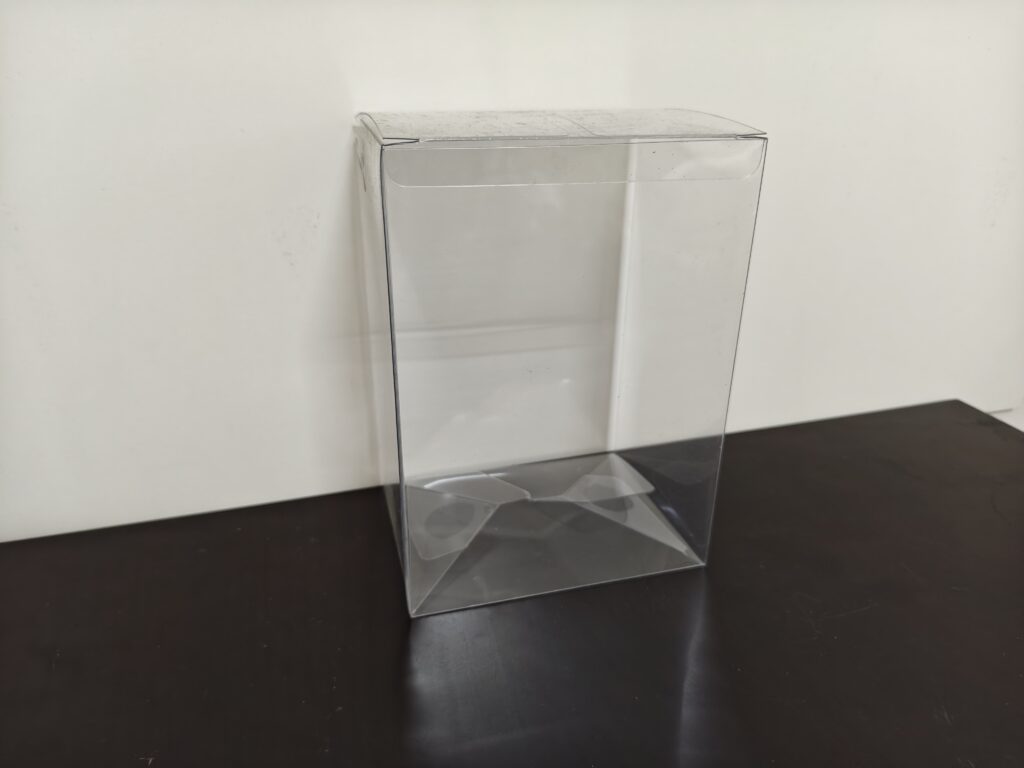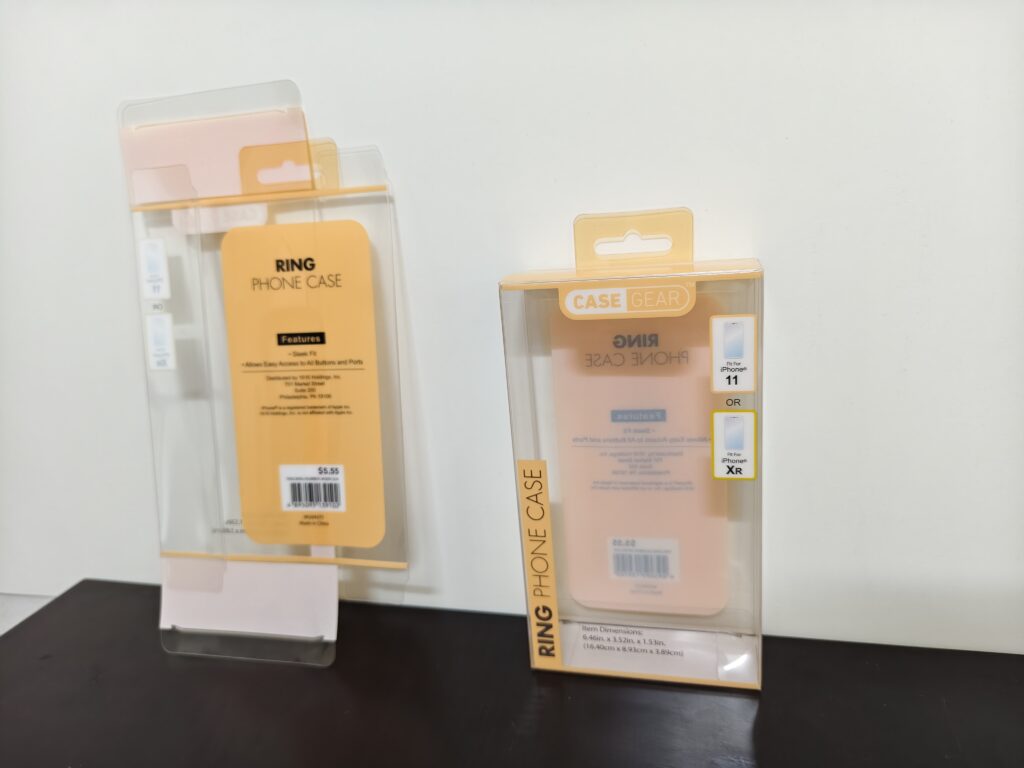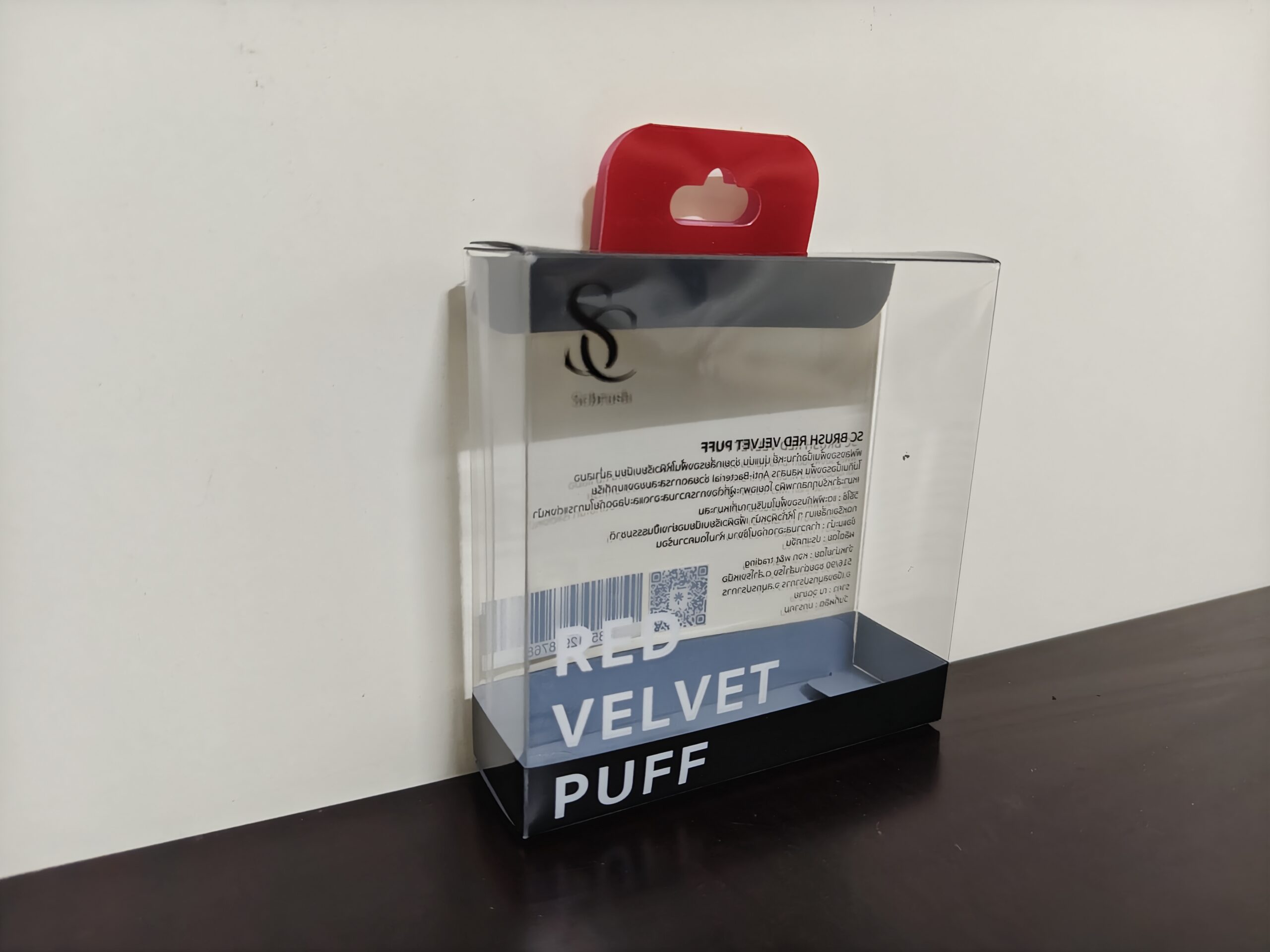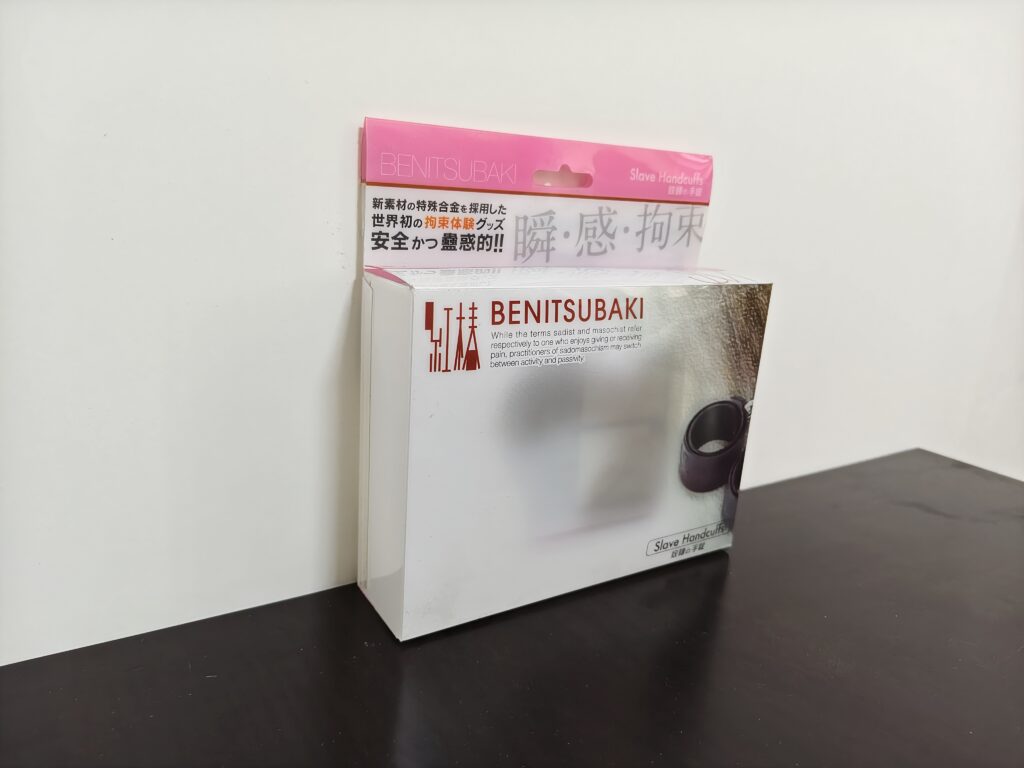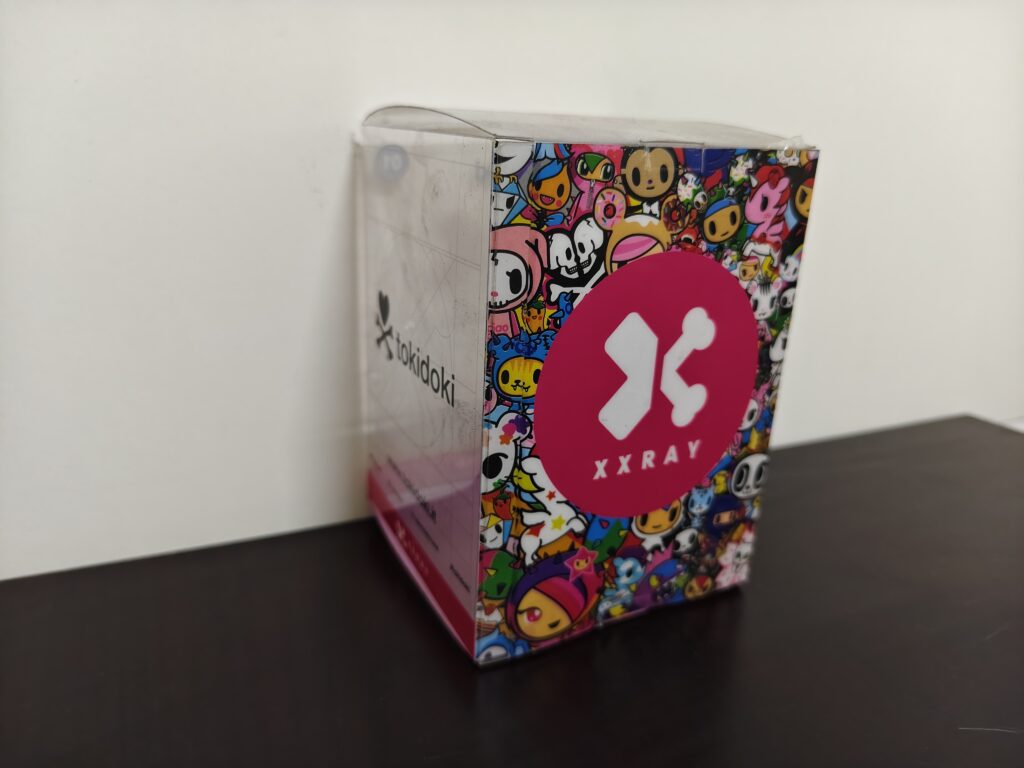
Author: hqi8829@gmail.com

  • What Information Is Needed to Quote a Custom PET Packaging Box?

    What Information Is Needed to Quote a Custom PET Packaging Box?

    Preparing complete information is the first step toward receiving an accurate quotation for a custom PET packaging box. Missing dimensions, unclear printing requirements, or an unknown order quantity can make it difficult for the manufacturer to calculate the correct price.

    PET packaging box quotation requirements normally include product dimensions, box structure, PET thickness, printing details, inserts, order quantity, and delivery information. The more complete the inquiry is, the faster the manufacturer can evaluate material usage, production processes, tooling, and unit cost.

    In this guide, we explain what information you should provide when requesting a custom PET packaging box quote and which details can be confirmed later if you are still developing the packaging.

    Why Complete Quotation Information Matters

    The price of a custom PET packaging box is not determined by size alone. Two boxes with similar dimensions may have very different costs because of differences in PET thickness, box structure, printing coverage, surface finishing, inserts, order quantity, and production difficulty.

    Complete information allows the manufacturer to calculate PET material consumption, printing costs, die-cutting requirements, gluing work, packing methods, and production time more accurately.

    If important details are missing, the first price may only be a rough estimate. The quotation may need to be revised after the artwork, structure, sample, or order quantity is confirmed.

    Providing clear information at the beginning reduces repeated communication, prevents misunderstandings, and helps both sides move from quotation to sampling more efficiently.

    Product Dimensions and Required Box Size

    Product dimensions are one of the most important PET packaging box quotation requirements. The manufacturer needs the maximum product length, width, and height, preferably recorded in millimeters and written in a consistent order such as L × W × H.

    Measure the complete product, including caps, handles, hooks, buttons, raised parts, and any accessories that will be packed inside the box. If several items will be arranged together, provide the dimensions of the complete packed arrangement rather than only the size of each individual item.

    If you already know the required internal or finished box dimensions, clearly state whether the dimensions refer to the inside or outside of the box. Internal dimensions determine product fit, while external dimensions may be affected by PET thickness, creasing, folding, and box structure.

    When the final box size is not yet confirmed, send the product dimensions, weight, photos, and preferred packing orientation. The manufacturer can then calculate suitable clearance and recommend the finished box dimensions.

    Dimension Information to Provide

    • Maximum product length, width, and height
    • Measurement unit, preferably millimeters
    • Product weight
    • Dimensions of accessories and inserts
    • Preferred product orientation
    • Whether the stated box size is internal or external
    • Photos from the front, side, and top
    • Physical product sample availability

    For detailed measurement instructions, read our PET packaging box measurement guide before submitting your inquiry.
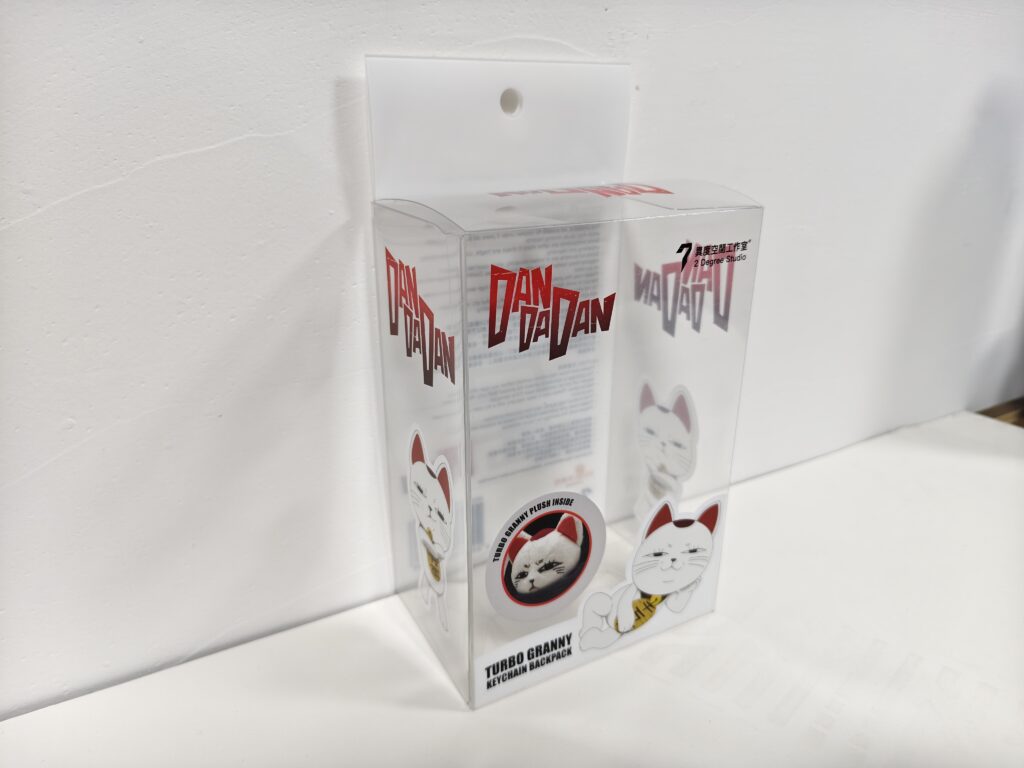
    Product dimensions for PET packaging box quotation

    Box Structure and Packing Method

    The box structure directly affects material usage, die-cutting complexity, gluing requirements, assembly time, and final quotation. A simple tuck-end box is normally easier and more economical to produce than a box with an auto-lock bottom, hanger tab, sleeve, internal divider, or two-piece structure.

    When requesting a quotation, explain how the product should be packed, displayed, opened, and removed. The manufacturer needs to know whether the box will stand on a shelf, hang on a retail hook, include a paper insert, or hold several products together.

    If you already have a preferred structure, provide a photo, dieline, sample, or reference box. If the structure is not confirmed, send the product dimensions, weight, display method, and packing requirements so the manufacturer can recommend a suitable option.

    The final quotation may change if the box structure is revised after sampling because different structures use different amounts of PET material and may require different die-cutting, folding, and gluing processes.

    Structure and Packing Details to Confirm

    • Preferred box style
    • Shelf display or hanging display
    • Manual or automatic packing
    • Required bottom strength
    • Opening direction
    • Product insertion and removal method
    • Internal tray, insert, or divider requirements
    • Whether the box should be shipped flat
    • Reference photos, samples, or dielines

    If you are unsure which structure is suitable, compare the most common PET packaging box styles before requesting a quotation.

    PET Material and Thickness Requirements

    PET material thickness has a direct effect on box strength, stiffness, transparency, folding performance, material consumption, and quotation price. A thicker PET sheet normally provides stronger support, but it also increases material cost and may require different creasing or folding settings.

    When requesting a quotation, provide the desired PET thickness if it has already been confirmed. If you are unsure, send the product dimensions, weight, box size, structure, and intended use so the manufacturer can recommend a suitable thickness.

    The required thickness may also depend on whether the box must support a heavier product, maintain a rigid retail appearance, hang on a display hook, or include large transparent panels. Very thin material may deform easily, while excessive thickness may increase cost without providing meaningful benefits.

    If recycled PET, anti-scratch material, colored PET, frosted material, or another special material is required, this should also be stated because specialty materials may affect availability, minimum order quantity, lead time, and unit price.

    Material Details to Confirm

    • PET material type
    • Required sheet thickness
    • Clear, frosted, colored, or printed appearance
    • Virgin or recycled PET requirement
    • Product weight and support needs
    • Anti-scratch or protective film requirement
    • Food-contact or other compliance requirements, if applicable
    • Whether the manufacturer may recommend the thickness

    If you are not sure which thickness is suitable, review our guide to choosing PET packaging box thickness.

    Printing and Finishing Requirements

    Printing and finishing requirements can significantly affect the quotation because different designs require different printing processes, ink coverage, setup work, and production time.

    When requesting a price, explain whether the PET box will remain completely transparent, use simple logo printing, include full-color graphics, or require special finishes. A one-color logo is usually simpler to quote than full-surface CMYK printing with white ink, spot UV, metallic ink, or hot stamping.

    For transparent PET packaging, also confirm which areas should remain clear and whether white ink is required behind printed colors. White ink can improve opacity and color visibility, but it adds another production step and may increase cost.

    If the final artwork is available, send an editable AI, PDF, EPS, or CDR file together with the approved dieline. If the artwork is not ready, provide reference images and describe the expected printing coverage so the manufacturer can prepare a preliminary estimate.

    Printing Information to Provide

    • Number of printing colors
    • Full-color or spot-color printing
    • Approximate ink coverage
    • White ink requirements
    • Transparent areas that must remain clear
    • Front-side or reverse-side printing
    • Spot UV, hot stamping, metallic ink, or other finishes
    • Pantone color codes, if required
    • Available artwork file format
    • Whether a printed sample is required

    For a detailed comparison of available processes, read our guide to PET packaging printing methods.
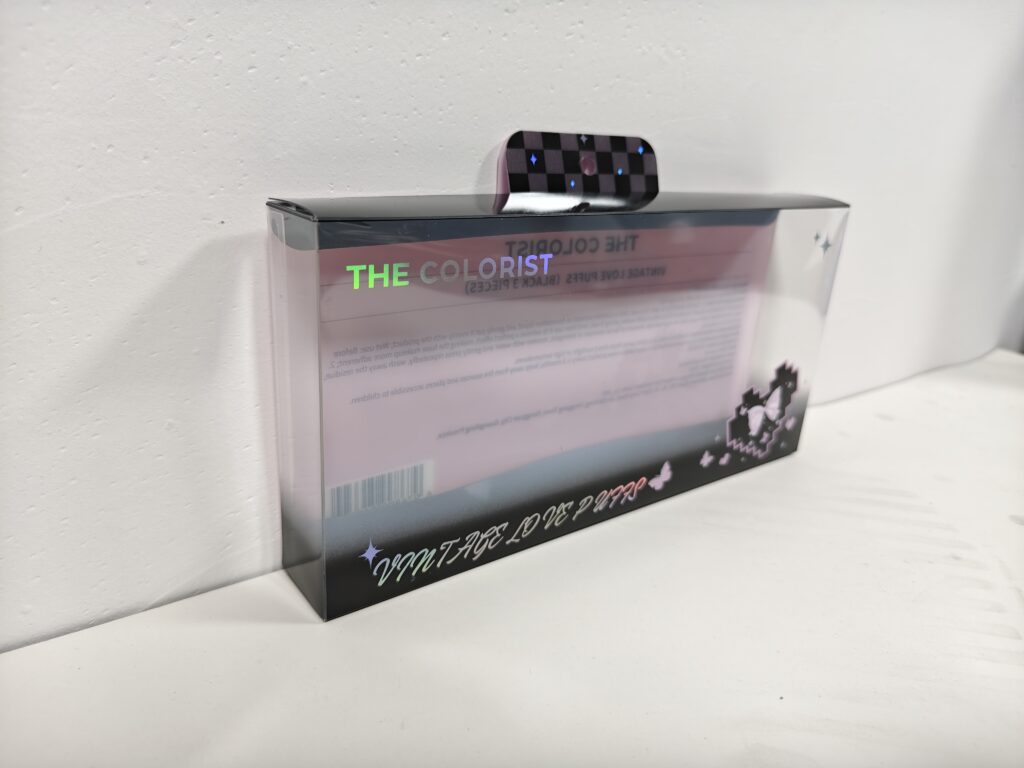
    Printed PET packaging box quotation requirements

    Artwork and Dieline Availability

    Artwork and dieline availability affects how accurately the manufacturer can review the design and prepare the quotation. If the final artwork and approved dieline are already available, the manufacturer can check printing coverage, color count, finishing areas, and production complexity more precisely.

    If only the artwork is available, the manufacturer may still need to prepare or adjust the dieline according to the final product dimensions, box structure, PET thickness, and packing method.

    If neither the artwork nor the dieline is ready, provide the product dimensions, reference packaging photos, logo files, expected printing area, and any special finishing requirements. The manufacturer can then provide a preliminary quotation based on the available information.

    The quotation may need to be updated after the final dieline and artwork are confirmed, especially if the printing area, number of colors, box structure, or finishing process changes.

    Artwork and Dieline Information to Provide

    • Editable artwork files, if available
    • Approved dieline, if available
    • Logo and brand files
    • Reference packaging images
    • Preferred printing area
    • Number of printed panels
    • White ink and transparent area markings
    • Special finishing layers
    • Required file format
    • Whether dieline preparation is needed

    Before sending design files, review our PET packaging artwork and dieline preparation guide.

    Order Quantity and Price Breaks

    Order quantity is one of the most important PET packaging box quotation requirements because setup costs are distributed across the total number of boxes produced.

    Custom PET packaging may involve dieline preparation, die-cutting setup, printing plates or screens, color adjustment, sampling, and packing preparation. These costs do not increase in direct proportion to quantity, so the unit price is usually higher for smaller orders and lower for larger production runs.

    When requesting a quotation, provide the expected order quantity as accurately as possible. If you are comparing different purchasing plans, ask the manufacturer to quote several quantity levels, such as 500, 1,000, 3,000, or 5,000 pieces.

    The lowest unit price is not always the best purchasing decision. Buyers should also consider storage space, sales volume, design changes, cash flow, and the risk of holding excess packaging inventory.

    Quantity Information to Provide

    • Initial order quantity
    • Expected repeat order quantity
    • Quantity required for each design or size
    • Number of SKUs
    • Whether several designs share the same box structure
    • Preferred price-break quantities
    • Estimated annual demand
    • Whether a trial order is required

    For more information about our minimum order quantity, read our custom PET packaging box MOQ guide.

    Insert, Tray, and Accessory Requirements

    Inserts, trays, dividers, and accessories can significantly affect the final quotation because they change the internal dimensions, material usage, assembly work, and packing method.

    If the product needs a paper insert, PET tray, blister tray, foam pad, EVA support, internal divider, or printed card, provide the dimensions, material preference, and expected quantity for each component.

    The manufacturer also needs to know how the product and accessories will be arranged inside the box. Several items packed together may require a larger box, stronger bottom structure, or a custom insert to prevent movement.

    If the insert design is not ready, provide clear product photos, accessory dimensions, product weight, and the preferred presentation. The manufacturer can then recommend a suitable internal support solution and prepare a preliminary quotation.

    Insert and Accessory Information to Provide

    • Type of insert or tray required
    • Insert material
    • Insert dimensions
    • Number of products packed together
    • Accessory dimensions and weight
    • Preferred product arrangement
    • Whether the insert should be printed
    • Whether assembly is required
    • Whether components will be supplied by the buyer
    • Reference photos or physical samples

    For combination packaging, measure the complete packed arrangement rather than only the main product.
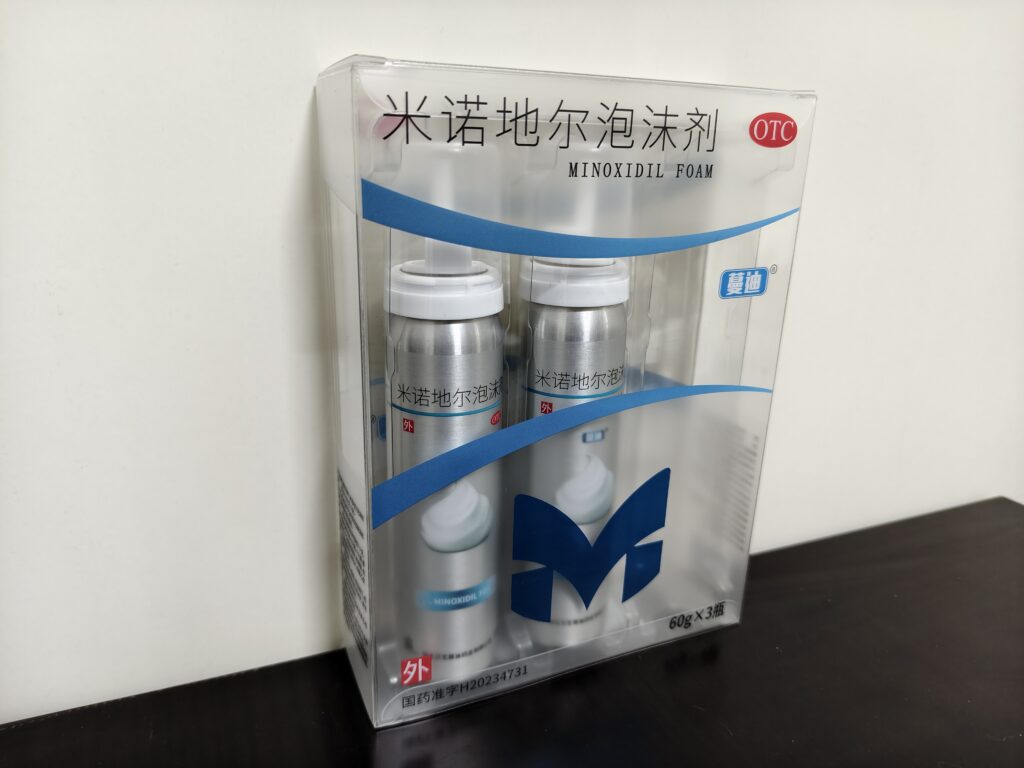
    PET packaging box with insert and accessories

    Sample Requirements

    Sample requirements should be confirmed before placing a production order because different sample types have different costs, preparation times, and purposes.

    A plain sample is mainly used to check box size, structure, folding, product fit, and assembly. It is usually faster and more economical than a fully printed sample.

    A printed sample is more suitable when the buyer needs to confirm colors, white ink, transparency, printing position, special finishes, or the overall retail appearance. Because printing setup may be required, printed samples normally take longer and may involve additional cost.

    When requesting a quotation, state whether you need a plain sample, printed sample, or both. Also confirm the required sample quantity, shipping destination, and whether the sample must use the final production material and thickness.

    Sample Information to Provide

    • Plain sample or printed sample
    • Required sample quantity
    • Product-fit testing requirements
    • Final PET thickness requirement
    • Printing and finishing details
    • Whether a physical product will be supplied
    • Sample delivery address
    • Required sample completion date
    • Whether courier cost will be paid by the buyer
    • Whether sample approval is required before mass production

    For many custom PET packaging projects, we can provide approximately 10–20 plain samples for evaluation, while the buyer pays the courier cost. Printed sample requirements should be confirmed separately because printing setup and finishing processes may affect the cost and lead time.

    Delivery Destination and Shipping Requirements

    The delivery destination can affect the quotation, packing method, carton size, shipping documents, and estimated lead time. When requesting a quotation, provide at least the destination country and, if possible, the city or postal code.

    Also confirm whether you need an EXW, FOB, CIF, DDP, or another shipping term. If the quotation only covers the packaging boxes and does not include international freight, this should be stated clearly to avoid misunderstanding.

    Most PET folding boxes can be shipped flat to reduce carton volume and transportation cost. However, pre-assembled boxes, inserts, trays, or special structures may require more shipping space and additional protective packing.

    The manufacturer should also know whether the boxes will be delivered directly to your warehouse, to a freight forwarder in China, or to another assembly factory. These details help determine the correct packing and delivery arrangement.

    Delivery Information to Provide

    • Destination country
    • Destination city or postal code
    • Preferred shipping term
    • Delivery to a warehouse, forwarder, or assembly factory
    • Sea, air, rail, or courier shipping preference
    • Required delivery date
    • Whether the boxes should be shipped flat
    • Whether pre-assembly is required
    • Special carton or pallet requirements
    • Required shipping marks or documents

    If international freight is not yet required, the manufacturer can first provide a packaging quotation based on the product specifications and order quantity. Shipping costs can be checked separately after the packed carton dimensions, gross weight, and delivery address are confirmed.

    These PET packaging box quotation requirements help the manufacturer prepare a more accurate price and reduce revisions before sampling.

    Complete PET Packaging Box Quotation Checklist

    Before requesting a quotation, use the following checklist to confirm that the manufacturer has enough information to calculate the box structure, material usage, printing cost, sampling requirements, and production price.

    • Product length, width, and height
    • Product weight
    • Clear product photos
    • Preferred packing orientation
    • Required internal or external box dimensions
    • Preferred PET box structure
    • PET material type and thickness
    • Printing colors and approximate coverage
    • White ink and transparent area requirements
    • Special finishing requirements
    • Artwork and dieline availability
    • Insert, tray, divider, or accessory requirements
    • Quantity required for each size or design
    • Sample type and sample quantity
    • Delivery destination
    • Preferred shipping term
    • Required production or delivery date
    • Reference packaging photos or physical samples

    Not every detail must be finalized before the first inquiry. If the box structure, PET thickness, dieline, or printing method is still uncertain, provide the confirmed product information and explain which items require a manufacturer recommendation.

    A preliminary quotation can be prepared from the available specifications, but the final price should be confirmed again after the structure, artwork, sample, and production quantity are approved.

    Need a Custom PET Packaging Box Quotation?

    Complete quotation information helps us review your packaging project faster and recommend a suitable PET box structure, material thickness, printing method, and production plan.

    Send us your product dimensions, weight, photos, expected order quantity, printing requirements, and delivery destination. If you already have artwork, a dieline, or a reference sample, include those files in your inquiry.

    If some packaging details have not yet been confirmed, our team can help review the product information and recommend an appropriate custom PET packaging solution before sampling.
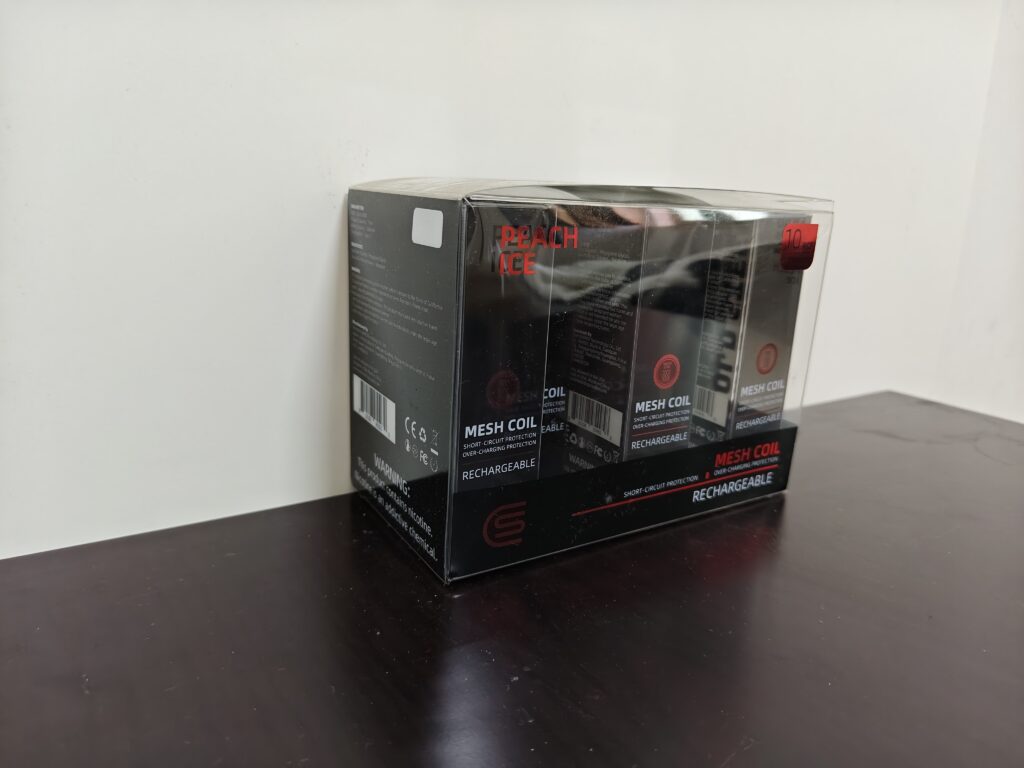
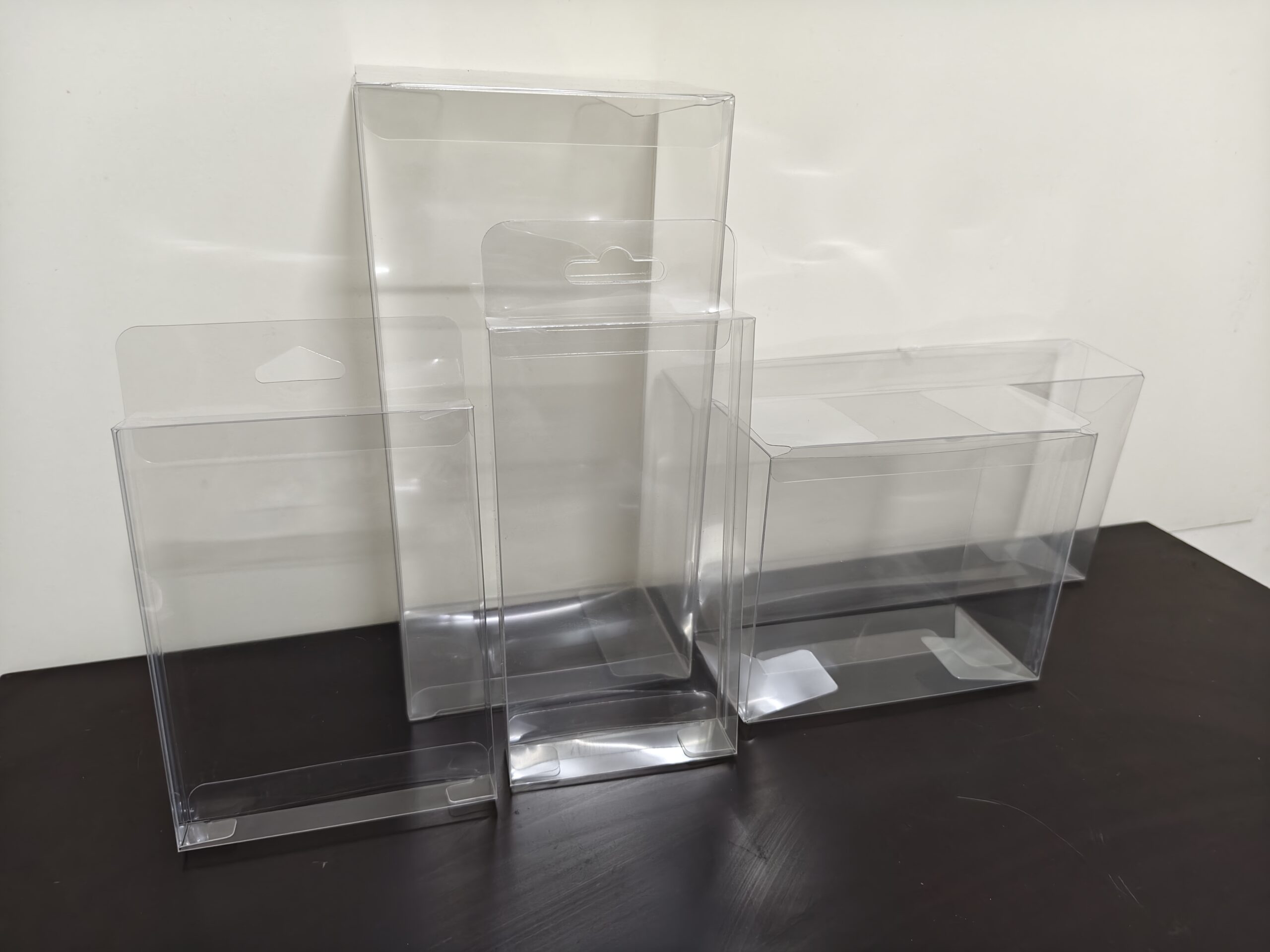
  • How to Measure Your Product for a Custom PET Packaging Box

    How to Measure Your Product for a Custom PET Packaging Box

    Accurate PET packaging box measurement is essential when ordering custom packaging. Even a small measurement error can make the box too tight, too loose, difficult to assemble, or unable to protect the product properly.

    Knowing how to measure products for a PET packaging box helps prevent fitting problems, sampling delays, and unnecessary production changes.

    The box size should not simply copy the product’s external dimensions. The manufacturer must also consider fitting clearance, PET material thickness, inserts, accessories, protruding parts, and the way the product will be packed and displayed.

    In this guide, we explain how to measure your product correctly, how much extra space may be required, and what information to provide when requesting a custom PET packaging box quotation.

    Why Accurate Product Measurements Matter

    Product measurements determine the internal dimensions, structure, material usage, and final cost of a PET packaging box. Incorrect dimensions can cause several production and packing problems.

    A box that is too small may press against the product, scratch printed surfaces, deform the PET panels, or prevent the closing flaps from locking correctly. A box that is too large may allow the product to move, reduce protection, and create an unprofessional retail appearance.

    Accurate measurements also help the manufacturer prepare the correct dieline, estimate material consumption, calculate pricing, and produce a sample that fits the product before mass production.

    After confirming the product dimensions, you can also review our guide to PET packaging box styles to choose a suitable box structure.

    PET Packaging Box Measurement: Length, Width, and Height

    For most rectangular products, measure the three maximum external dimensions: length, width, and height. Always measure the product at its widest, deepest, and tallest points rather than measuring only the main body.

    Length is usually the longest horizontal side of the product. Width is the shorter horizontal side, and height is measured from the bottom to the highest point. Keep the order consistent when sending dimensions to the manufacturer, for example: 120 × 80 × 35 mm (L × W × H).

    Use a rigid ruler or digital caliper whenever possible. Soft measuring tapes may bend around the product and produce inaccurate results. For small products, record measurements to the nearest 0.5 mm or 1 mm.

    If the product includes caps, buttons, hooks, cables, handles, raised logos, or other protruding parts, include them in the final measurement. The packaging must fit the complete product, not only its main body.

    Basic Product Measurement Checklist

    • Measure the maximum length
    • Measure the maximum width
    • Measure the maximum height
    • Include all protruding parts
    • Record dimensions in millimeters
    • Confirm the order as L × W × H
    • Measure more than once to avoid mistakes

    How to Measure Irregularly Shaped Products

    Irregularly shaped products require more careful measurement because their widest or tallest point may not be located in the center. Measure the maximum outer dimensions of the complete product, including all curves, corners, handles, caps, hooks, and raised parts.

    Imagine placing the product inside the smallest possible rectangular box. The internal length, width, and height of that imaginary box represent the product’s maximum external dimensions.

    For soft, flexible, or movable products, measure them in the same position in which they will be packed. Do not compress the product unless compression is part of the final packaging method.

    If the product has separate accessories, cables, tools, or detachable parts, decide whether they will be placed beside, above, or below the main product. Their arrangement will affect the required box dimensions and insert design.

    Helpful Information for Irregular Products

    • Photos from the front, side, and top
    • Maximum external dimensions
    • Product weight
    • Position of protruding parts
    • Number and size of accessories
    • Preferred packing orientation
    • Whether an internal insert is required

    Allow Space for Inserts and Accessories

    The product itself is not always the only item placed inside a PET packaging box. Internal trays, paper cards, foam inserts, cables, instruction sheets, accessories, and promotional materials may also require additional space.

    Before confirming the final box dimensions, decide how every item will be arranged inside the package. Measure the complete packed set rather than measuring only the main product.

    An insert can help hold the product in position, reduce movement, and improve the retail presentation. However, the thickness and structure of the insert will increase the required internal dimensions of the box.

    For example, if a cosmetic bottle is placed inside a folded paper insert, the manufacturer must consider both the bottle size and the thickness of the paper insert. If several accessories are packed beside the main product, their combined width and height must also be included.

    Items That May Affect the Final Box Size

    • PET or paper inserts
    • Blister trays
    • Foam or EVA padding
    • Instruction cards and manuals
    • Cables and small accessories
    • Promotional gifts
    • Product labels and protective films
    • Internal dividers
    Measure products for PET packaging box sizing
    Example of multiple product packs arranged inside one clear PET packaging box.

    When several products are packed together, measure the complete arrangement and allow enough space for positioning, clearance, and easy removal.

    How Much Clearance Should Be Added?

    A custom PET packaging box should normally be slightly larger than the product or complete packed set. This extra space is called fitting clearance, and it allows the product to be inserted and removed without damaging the box.

    There is no single clearance value that works for every project. The required allowance depends on the product size, shape, surface, insert design, PET thickness, box structure, and packing method.

    For many small and regular products, a small allowance of approximately 1–2 mm on each relevant dimension may be sufficient. Larger products, irregular shapes, textured surfaces, or products packed with inserts may require more space.

    Do not add excessive clearance without confirming it with the manufacturer. A box that is too loose may allow the product to move and may look oversized. The manufacturer should calculate the final internal dimensions after reviewing the product measurements, photos, packing arrangement, and sample requirements.

    Factors That Affect Fitting Clearance

    • Product size and shape
    • Surface texture and protruding parts
    • PET sheet thickness
    • Box structure and folding direction
    • Type and thickness of internal insert
    • Manual or automatic packing
    • Required product movement inside the box
    • Need for easy insertion and removal

    Common Product Measurement Mistakes

    Many packaging fit problems are caused by small measurement mistakes before the dieline is created. Reviewing the product carefully before sending dimensions can reduce revisions, sampling delays, and unnecessary tooling changes.

    One common mistake is measuring only the main body while ignoring caps, buttons, handles, hooks, cables, or other protruding parts. Another is measuring each product separately without considering how multiple items will be arranged inside the final box.

    Customers may also provide the desired outer box dimensions instead of the actual product dimensions. The manufacturer normally needs the product size first so that suitable clearance, PET thickness, inserts, and box structure can be calculated correctly.

    Measurements taken with a soft tape, rounded too early, or recorded in an unclear order can also create confusion. Always state the unit and use a consistent format such as L × W × H.

    Mistakes to Avoid

    • Measuring only the main product body
    • Ignoring caps, handles, buttons, or raised parts
    • Compressing soft products during measurement
    • Forgetting accessories and inserts
    • Providing outer box dimensions instead of product dimensions
    • Mixing millimeters, centimeters, and inches
    • Changing the order of length, width, and height
    • Measuring only once
    • Rounding measurements excessively
    • Sending dimensions without product photos

    What Information Should You Send the Manufacturer?

    Clear and complete product information helps the packaging manufacturer confirm the box dimensions, recommend a suitable structure, calculate pricing, and prepare an accurate sample.

    Product measurements alone may not be enough, especially when the product is irregular, includes accessories, requires an insert, or must be displayed in a specific direction. Photos and packing details help the manufacturer understand how the finished package should work.

    Information to Include in Your Inquiry

    • Product length, width, and height
    • Measurement unit, preferably millimeters
    • Product weight
    • Clear photos from the front, side, and top
    • Number and dimensions of accessories
    • Preferred product orientation inside the box
    • Required insert or internal support
    • Desired PET material thickness
    • Printing and finishing requirements
    • Estimated order quantity
    • Preferred box style, if known
    • Whether a physical product sample can be provided

    For complex or irregular products, sending a physical sample is often the most reliable option. The manufacturer can measure the product directly, test different packing arrangements, and prepare a dieline based on the actual item.

    If a physical sample is not available, provide accurate dimensions, several clear photos, and a simple drawing showing the preferred arrangement of the product and accessories.

    You can also read our PET packaging artwork and dieline preparation guide before submitting your design files.

    Final Product Measurement Checklist

    • Measure the maximum length, width, and height
    • Include caps, handles, hooks, buttons, and other protruding parts
    • Confirm the measurement unit
    • Record dimensions as L × W × H
    • Measure the product more than once
    • Include inserts, accessories, manuals, and promotional items
    • Confirm the final packing orientation
    • Provide clear photos from multiple angles
    • State the product weight
    • Provide the expected order quantity
    • Confirm printing and finishing requirements
    • Ask the manufacturer to verify the final box dimensions
    • Request a sample before mass production

    Need Help Confirming Your PET Packaging Box Size?

    Accurate product measurements are the foundation of a well-fitting custom PET packaging box. However, the final box dimensions should also consider clearance, material thickness, box structure, inserts, accessories, and the packing method.

    Our team can review your product dimensions, photos, weight, packing arrangement, and packaging requirements before preparing the dieline. For irregular or complex products, you can also send us a physical sample for direct measurement and fit testing.

    Send us your product information to receive a suitable PET packaging box size and structure recommendation.

    Learn more about our custom PET packaging boxes and PET packaging box manufacturing process.

  • PET Packaging Box Styles: How to Choose the Right Box Structure

    PET Packaging Box Styles: How to Choose the Right Box Structure

    Choosing the right box structure is an important step when developing custom PET packaging. Different PET packaging box styles provide different levels of product protection, display visibility, assembly efficiency, and retail presentation.

    A suitable box style should match the product size, weight, sales channel, packaging method, and branding requirements. For example, lightweight cosmetics may use a simple tuck-end box, while heavier products may require a stronger bottom structure.If you are still comparing materials, read our guide to PET vs PVC vs PP packaging boxes.

    In this guide, we explain the most common PET packaging box styles, their advantages, typical applications, and how to choose the right structure for your product.

    Why Does the PET Packaging Box Structure Matter?

    The structure of a PET packaging box affects more than its appearance. It also influences product protection, assembly speed, transportation stability, shelf presentation, and total packaging cost.

    A box that is too weak may deform during shipping, while an unnecessarily complex structure may increase material usage and assembly time. The correct structure should provide enough support without making the packaging difficult to produce or assemble.

    When choosing a PET packaging box style, consider the following factors:

    • Product size and weight
    • Required level of protection
    • Manual or automatic assembly
    • Retail display requirements
    • Hanging or standing presentation
    • Printing and branding area
    • Shipping and storage method
    • Target packaging cost

    Common PET Packaging Box Styles

    Straight Tuck End Box

    A straight tuck end box has top and bottom closing flaps that fold in the same direction. This creates a clean front panel and a neat appearance, making it one of the most common PET packaging box styles.

    The structure is simple to produce, easy to assemble, and suitable for lightweight to medium-weight products. Because the front and back panels remain visually balanced, it also provides a large area for printing logos, product information, and decorative graphics.

    Typical Applications

    • Cosmetic products
    • Small toys and collectibles
    • Phone accessories
    • Personal care products
    • Small gifts
    • Lightweight retail products

    Advantages

    • Clean and symmetrical appearance
    • Easy manual assembly
    • Good product visibility
    • Large printing and branding area
    • Suitable for many standard retail products

    Limitations

    • The bottom may not be strong enough for heavy products
    • Additional inserts may be required to prevent movement
    • Not ideal when strong bottom support is necessary
    Straight tuck end PET packaging box for retail products
    Example of a clear straight tuck end PET packaging box with top and bottom tuck flaps.

    Reverse Tuck End Box

    A reverse tuck end box has top and bottom closing flaps that fold in opposite directions. This structure is widely used because it can reduce material waste during die-cutting and provides an efficient layout on the PET sheet.

    Reverse tuck end boxes are easy to open, close, and assemble. They are commonly used for lightweight retail products that require a simple transparent package with a clean display area.

    Typical Applications

    • Cosmetics and skincare products
    • Small electronic accessories
    • Personal care products
    • Small toys
    • Stationery
    • Lightweight promotional products

    Advantages

    • Efficient use of PET sheet material
    • Easy to assemble and close
    • Suitable for automatic or manual packing
    • Large transparent display area
    • Economical for many standard box sizes

    Limitations

    • The front and back panels may not appear completely symmetrical
    • Not suitable for very heavy products
    • Loose products may require an internal insert

    Auto-Lock Bottom Box

    An auto-lock bottom box has a pre-glued bottom that automatically locks into place when the box is opened. This structure provides stronger bottom support than standard tuck-end boxes and also improves packing efficiency.

    Because the bottom forms quickly without manual folding of multiple flaps, auto-lock bottom boxes are suitable for products that are slightly heavier or for packaging lines where faster assembly is required.

    Typical Applications

    • Cosmetic bottles and jars
    • Small electronic products
    • Heavier toys and accessories
    • Personal care products
    • Gift items
    • Retail products requiring stronger bottom support

    Advantages

    • Stronger bottom structure
    • Fast and easy assembly
    • Suitable for heavier products
    • Reduces manual packing time
    • More stable during display and transportation

    Limitations

    • More complex structure than a tuck-end box
    • Higher production and gluing cost
    • Requires accurate die-cutting and gluing
    • Usually uses slightly more PET material
    Auto-lock bottom PET packaging box with reinforced base
    Example of an auto-lock bottom PET packaging box designed for stronger product support.

    Snap-Lock Bottom Box

    A snap-lock bottom box uses several interlocking bottom flaps that are folded and locked together manually. Unlike an auto-lock bottom, it is not pre-glued, but it provides better bottom strength than a standard tuck-end structure.

    This box style is suitable for products that require additional support but do not need the faster assembly of a pre-glued auto-lock bottom. It is commonly used for medium-weight retail products and can usually be shipped flat to reduce storage space.

    Typical Applications

    • Cosmetic bottles
    • Personal care products
    • Small electronic accessories
    • Medium-weight toys
    • Gift products
    • Retail products requiring additional bottom support

    Advantages

    • Stronger than a standard tuck-end bottom
    • Does not require pre-gluing
    • Can be shipped and stored flat
    • Suitable for medium-weight products
    • More economical than some pre-glued structures

    Limitations

    • Requires manual folding and locking
    • Slower to assemble than an auto-lock bottom
    • Incorrect assembly may reduce bottom strength
    • Not recommended for very heavy products

    Hanger Tab Box

    A hanger tab box includes an extended top panel with a die-cut hanging hole. This allows the package to be displayed on retail hooks instead of standing only on a shelf.

    The hanger tab can be added to different PET box structures, including tuck-end boxes and auto-lock bottom boxes. It is commonly used for lightweight products that need strong shelf visibility in supermarkets, electronics stores, toy shops, and accessory displays.

    Typical Applications

    • Phone accessories
    • Small electronic products
    • Toys and collectibles
    • Cosmetic accessories
    • Stationery
    • Promotional products

    Advantages

    • Suitable for hanging retail displays
    • Improves product visibility
    • Saves shelf space
    • Can be combined with different bottom structures
    • Provides additional space for branding and product information

    Limitations

    • The hanging hole area must be strong enough to support the product
    • Not suitable for very heavy products without reinforcement
    • Incorrect hole size may not fit standard retail hooks
    • The extended top panel uses additional PET material
    Clear PET hanger tab packaging box for retail display
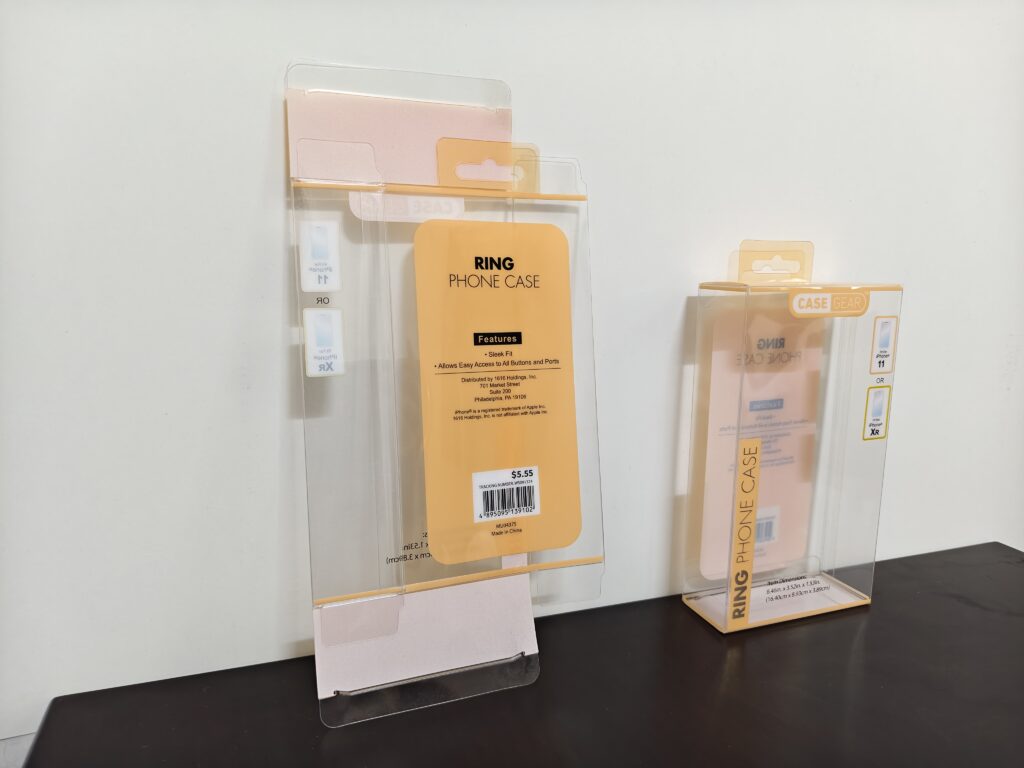
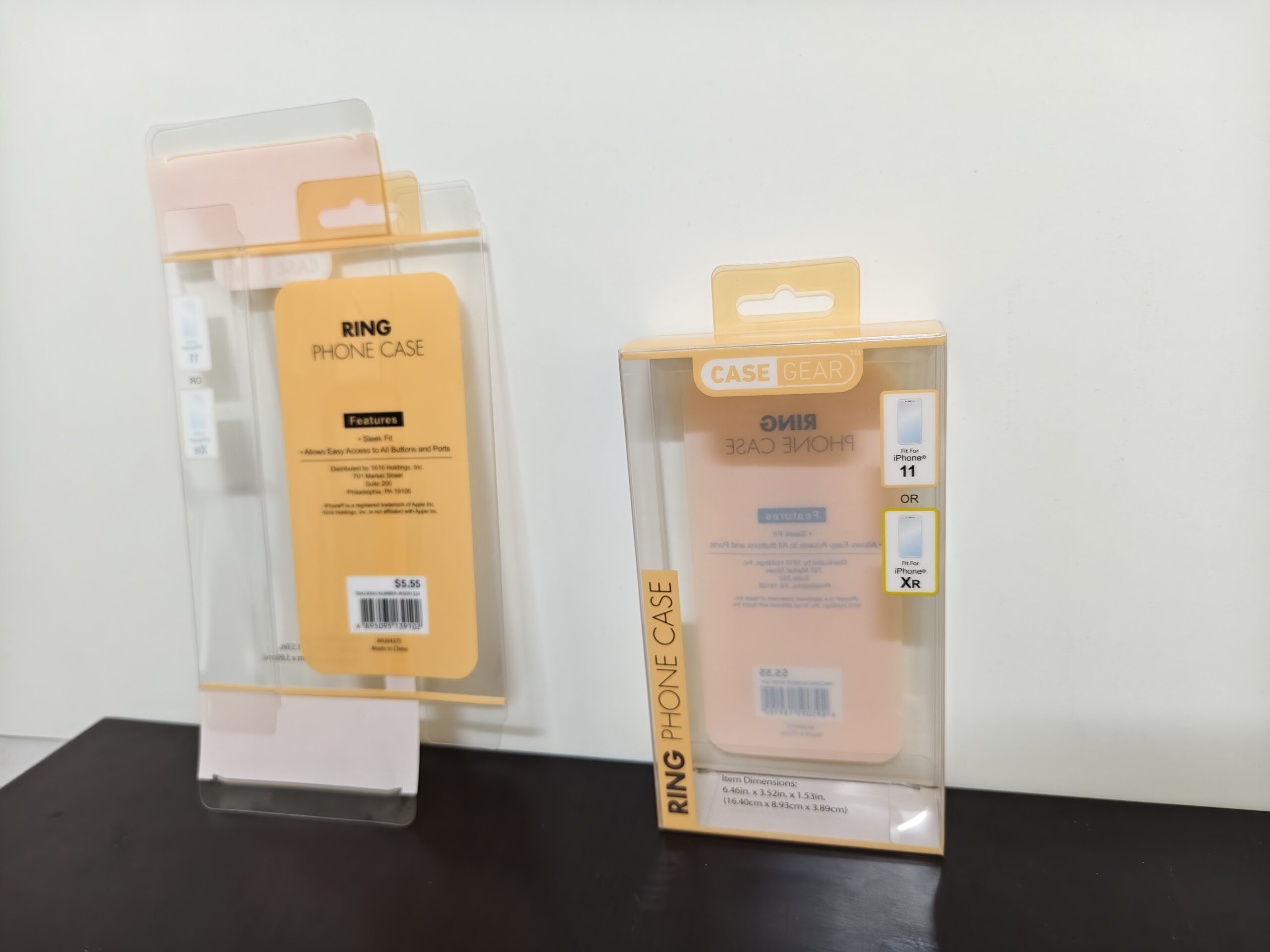
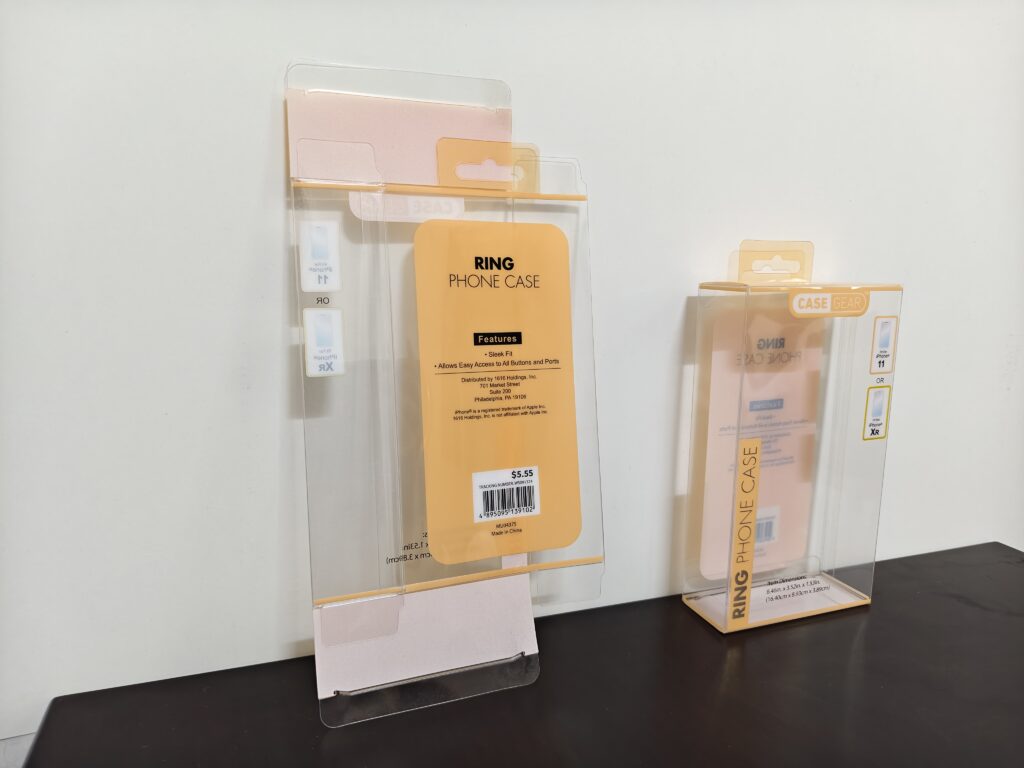
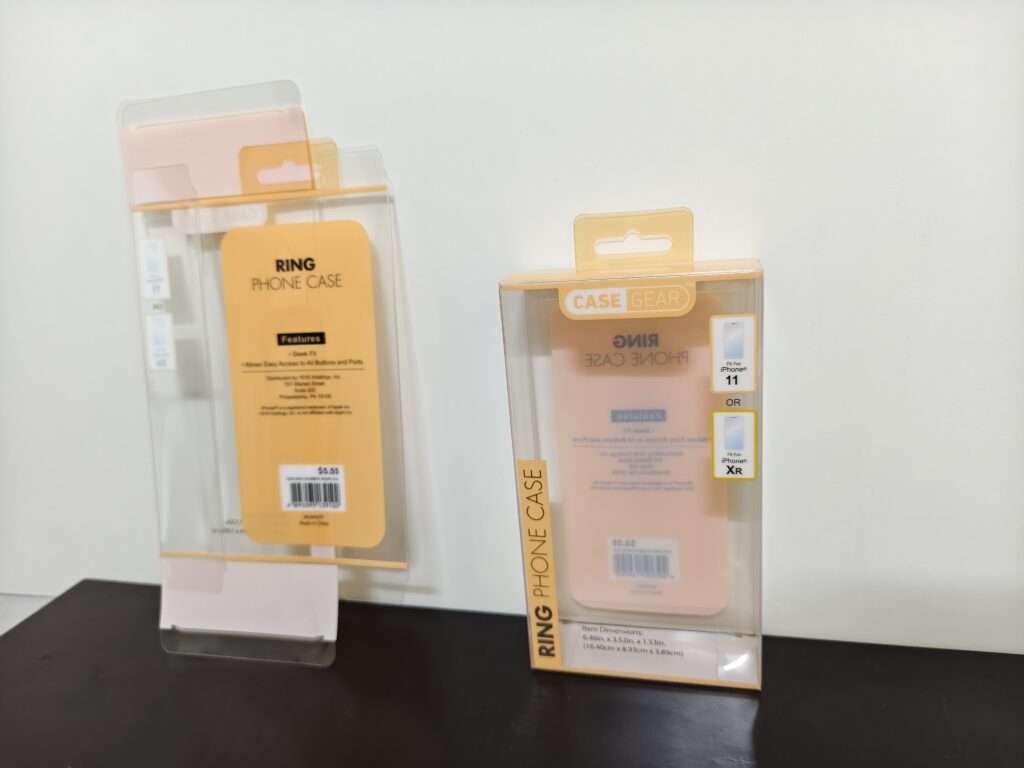
    Examples of clear PET phone case packaging boxes with die-cut hanger tabs for retail hook display.

    PET Sleeve Box

    A PET sleeve box is an open-ended transparent cover that slides over an inner tray, paper box, or product container. Unlike a fully enclosed folding carton, the sleeve mainly provides visibility, branding space, and an additional protective outer layer.

    PET sleeves are often combined with paper packaging or molded inserts to create a premium presentation. They are also useful when the product needs to remain visible while the inner tray provides support and positioning.

    Typical Applications

    • Cosmetic gift sets
    • Premium skincare products
    • Small electronics
    • Gift packaging
    • Toy and collectible sets
    • Paper box and PET combination packaging

    Advantages

    • Provides a premium layered appearance
    • Keeps the product visible
    • Can be combined with paper trays or inserts
    • Easy to slide on and remove
    • Offers extra printing and branding space
    • Suitable for gift and promotional packaging

    Limitations

    • Usually requires an inner tray or supporting package
    • Does not provide full protection when used alone
    • The sleeve size must be very accurate for smooth sliding
    • May increase total packaging material and cost

    Two-Piece PET Box

    A two-piece PET box consists of a separate transparent lid and base. The lid fits over the bottom section, creating a clean and premium presentation without using standard tuck flaps.

    This structure is often used when the packaging needs to be opened from the top or when the product should be presented in a gift-style box. An insert can be added inside the base to hold the product securely and improve the overall display.

    Typical Applications

    • Cosmetic gift sets
    • Jewelry and accessories
    • Premium toys and collectibles
    • Small electronic products
    • Promotional gift items
    • Luxury retail products

    Advantages

    • Premium and elegant appearance
    • Easy to open and close
    • Provides a large transparent display area
    • Can be combined with custom inserts
    • Suitable for gift and presentation packaging
    • Offers separate printing areas on the lid and base

    Limitations

    • Uses more PET material than a standard folding box
    • Requires accurate sizing between the lid and base
    • Usually has a higher production cost
    • Takes up more storage space if it cannot be shipped completely flat
    • May require an insert to prevent the product from moving

    PET Packaging Box Style Comparison

    Box StyleBottom StrengthAssembly SpeedBest ForRelative Cost
    Straight Tuck EndLightFastLightweight retail productsLow
    Reverse Tuck EndLightFastStandard economical packagingLow
    Auto-Lock BottomStrong Very fastHeavier products and fast packingMedium–High
    Snap-Lock BottomMedium–StrongMediumMedium-weight productsMedium
    Hanger Tab BoxDepends on baseFastRetail hook displayMedium
    PET Sleeve BoxDepends on inner trayFastPremium combination packagingMedium–High
    Two-Piece PET BoxMediumMediumGift and presentation packagingHigh

    The best PET packaging box style depends on the product weight, display method, assembly requirements, and target budget. Standard tuck-end boxes are usually the most economical choice for lightweight products, while auto-lock and snap-lock bottoms provide stronger support.

    Hanger tab boxes are suitable for hook displays, PET sleeves work well with inner trays or paper boxes, and two-piece PET boxes are better suited to premium gift packaging.

    How to Choose the Right PET Packaging Box Style

    The right box structure should be selected according to the product, packing process, display method, and budget. A visually attractive structure is important, but it must also be practical to assemble, transport, and use.

    Consider Product Weight

    Lightweight products such as phone accessories, small toys, and cosmetic samples can usually use straight tuck end or reverse tuck end boxes. Heavier products may require an auto-lock or snap-lock bottom for better support.

    Consider the Retail Display Method

    If the package will stand on a shelf, a standard folding box is usually sufficient. If it will hang on retail hooks, choose a hanger tab box and confirm the hanging-hole size before production.

    Consider Packing Efficiency

    For manual packing and small orders, simple tuck-end structures are easy and economical. For larger orders or faster assembly, an auto-lock bottom can reduce packing time.

    Consider Product Positioning

    Loose or irregular products may require a PET, paper, foam, or molded insert. The insert helps prevent movement and improves the product presentation inside the transparent box.

    Consider Branding and Printing

    Choose a structure with enough flat panel area for logos, product information, barcodes, and decorative graphics. Complicated folds, glue areas, and curved sections may reduce the usable printing area.For artwork requirements, see our PET packaging artwork and dieline preparation guide.

    Consider Shipping and Storage

    Most folding PET boxes can be shipped flat to reduce storage and freight volume. Two-piece boxes and pre-assembled structures may require more space, so packaging and shipping costs should be evaluated before production.

    Need Help Choosing a PET Packaging Box Structure?

    Choosing the correct PET packaging box style can improve product protection, packing efficiency, retail presentation, and overall packaging cost.

    Our team can recommend a suitable structure based on your product dimensions, weight, display method, printing requirements, order quantity, and target budget. We can also prepare a custom dieline and produce samples before mass production.

    Send us your product information to receive a custom PET packaging box recommendation.

    You can also learn more about our custom PET packaging boxes and PET packaging box manufacturing process.

  • UV Printing vs Offset Printing vs Screen Printing for PET Packaging Boxes

    UV Printing vs Offset Printing vs Screen Printing for PET Packaging Boxes

    Choosing the right printing method is an important part of creating custom PET packaging boxes. Different printing techniques produce different results in color quality, ink coverage, cost, order quantity, and production time.

    The most common PET packaging printing methods include UV printing, offset printing, and screen printing. In this guide, we compare how these methods work, their advantages and limitations, and which option is most suitable for your packaging design.You may also want to review our guide on [how to prepare artwork and dielines for PET packaging boxes].

    Custom printed transparent PET packaging box

    Why Printing on Clear PET Is Different

    Printing on clear PET is different from printing on paper or opaque plastic because the material is transparent and has a smooth, non-porous surface. Printed colors may appear lighter, more transparent, or less saturated if the ink and printing process are not selected correctly.

    White ink is often used as a base layer behind colored graphics to improve opacity and color visibility. Areas that should remain transparent must also be clearly marked in the artwork so the manufacturer can separate clear windows, printed areas, and special finishing layers.Learn more about the material characteristics in our [PET vs PVC vs PP packaging comparison].

    What Is UV Printing?

    UV printing uses ultraviolet light to cure or dry the ink immediately after it is printed. Because the ink dries quickly, it can produce sharp graphics, strong color coverage, and detailed images on smooth PET surfaces.

    For transparent PET packaging, UV printing can be used for logos, patterns, text, gradients, and full-color graphics. White ink can also be added underneath selected areas to make colors appear more solid and visible.

    Advantages of UV Printing

    • Fast ink curing and short production time
    • Sharp details and high-resolution graphics
    • Good adhesion on smooth PET surfaces
    • Suitable for full-color and gradient designs
    • White ink and spot UV options available
    • Good choice for medium and small custom orders

    Limitations of UV Printing

    Although UV printing offers excellent detail and fast curing, it may not be the most economical option for every project. The final cost depends on the artwork complexity, ink coverage, number of colors, white ink requirements, and order quantity.

    • Higher unit cost for very large production runs
    • White ink and heavy ink coverage may increase cost
    • Color results may vary without proper artwork preparation
    • Surface treatment may be required for better ink adhesion
    • Not always ideal for extremely simple one-color designs
    • A printed sample is recommended for color-critical projects
    UV printed PET packaging box with gradient graphics
    Example of a full-color printed PET packaging box with gradient graphics.

    What Is Offset Printing?

    Offset printing transfers ink from a printing plate to a rubber blanket and then onto the PET sheet. It is commonly used for detailed graphics, smooth color transitions, and larger production quantities.

    For PET packaging boxes, offset printing can produce fine text, accurate brand colors, and consistent full-color images. However, the PET surface may require treatment or special inks to improve adhesion and prevent the printed layer from scratching or peeling.

    Advantages of Offset Printing

    • Excellent color consistency for large production runs
    • Suitable for detailed images and fine text
    • Good performance for full-color CMYK artwork
    • Lower unit cost at higher order quantities
    • Stable results for repeated orders
    • Suitable for complex printed packaging designs

    Limitations of Offset Printing

    • Higher setup cost because printing plates are required
    • Less economical for small custom orders
    • Longer preparation time than UV printing
    • White ink may require an additional printing process
    • Surface treatment may be needed for PET adhesion
    • Artwork changes after plate production may increase cost

    What Is Screen Printing?

    Screen printing pushes ink through a fine mesh screen onto selected areas of the PET sheet. Each color normally requires a separate screen, making this method especially suitable for simple designs, solid colors, logos, text, and special inks.

    For transparent PET packaging boxes, screen printing can create strong ink coverage and highly visible graphics. It is often used when the design requires white ink, metallic ink, bold brand colors, or a limited number of spot colors.

    Advantages of Screen Printing

    • Strong and opaque ink coverage
    • Excellent for white ink and solid spot colors
    • Suitable for simple logos, text, and bold graphics
    • Good adhesion when the PET surface is properly treated
    • Metallic, fluorescent, and other special inks are available
    • Economical for simple designs with fewer colors

    Limitations of Screen Printing

    • Each color normally requires a separate screen
    • Less suitable for detailed photographic images
    • Color gradients are more difficult to reproduce
    • Setup cost increases when more colors are used
    • Fine text and very small details may be difficult to print
    • Color registration must be controlled carefully
    Screen printed PET packaging box with solid color graphics
    Example of PET packaging with solid-color printing and simple graphics.

    UV Printing vs Offset Printing vs Screen Printing

    FeatureUV PrintingOffset PrintingScreen Printing
    Best forDetailed graphics and medium ordersLarge-volume full-color ordersSimple logos and solid colors
    Color detailExcellentExcellentGood
    White inkAvailableRequires additional processExcellent
    GradientsExcellentExcellentLimited
    Setup costMediumHighMedium
    Unit costGood for small and medium runsLower for large runsGood for simple low-color designs
    Production speedFastMediumMedium

    UV printing is usually the most flexible option for detailed custom packaging and medium order quantities. Offset printing is often more economical for large production runs with complex full-color artwork. Screen printing is a strong choice for simple designs, solid colors, white ink, and special spot-color effects.

    How to Choose the Right PET Packaging Printing Method

    The best PET packaging printing method depends on your artwork, order quantity, color requirements, budget, and expected appearance.

    Choose UV printing when your design includes detailed graphics, gradients, multiple colors, or medium-volume custom orders.

    Choose offset printing when you need consistent full-color results for large production quantities and want to reduce the unit cost.

    Choose screen printing when your artwork mainly uses simple logos, solid colors, white ink, metallic ink, or other special spot-color effects.

    Before confirming production, it is recommended to provide the artwork, box dimensions, expected order quantity, and printing requirements to the manufacturer for evaluation.

    Questions to Confirm Before Printing

    • How many colors are included in the artwork?
    • Is white ink required behind the printed graphics?
    • Does the design include gradients or photographic images?
    • What is the estimated order quantity?
    • Are metallic ink, fluorescent ink, spot UV, or hot stamping required?
    • Which areas of the PET box should remain transparent?

    Frequently Asked Questions

    Which printing method is best for PET packaging boxes?

    There is no single best method for every project. UV printing is suitable for detailed graphics and medium-volume custom orders, offset printing is often better for large full-color production runs, and screen printing works well for simple logos, solid colors, and special inks.

    Can white ink be printed on transparent PET?

    Yes. White ink is commonly used as a base layer behind colored graphics to improve opacity and color visibility on transparent PET packaging.

    Which printing method is suitable for small orders?

    UV printing is usually more flexible for small and medium custom orders because it requires less preparation than traditional offset printing.

    Can screen printing reproduce gradients and photographs?

    Screen printing is mainly suitable for solid colors, logos, and simple graphics. Detailed photographs and smooth gradients are usually better produced with UV or offset printing.

    Need Help Choosing a Printing Method?

    If you are not sure which printing method is suitable for your PET packaging boxes, send us your artwork, box dimensions, order quantity, and printing requirements.

    Our team can review the design and recommend a suitable printing method based on color coverage, transparency, budget, and production quantity.You can also explore our [custom PET packaging boxes] and [PET packaging box manufacturing process].

  • How to Prepare Artwork and Dielines for Custom PET Packaging Boxes

    How to Prepare Artwork and Dielines for Custom PET Packaging Boxes

    Preparing accurate artwork and dielines is an important step when ordering custom PET packaging boxes. Correct files help prevent printing errors, unclear graphics, incorrect cutting positions, and production delays.

    This guide explains the basic artwork requirements, dieline structure, file formats, bleed settings, color modes, and other details you should prepare before sending your packaging design to a manufacturer.

    What Is a Packaging Dieline?

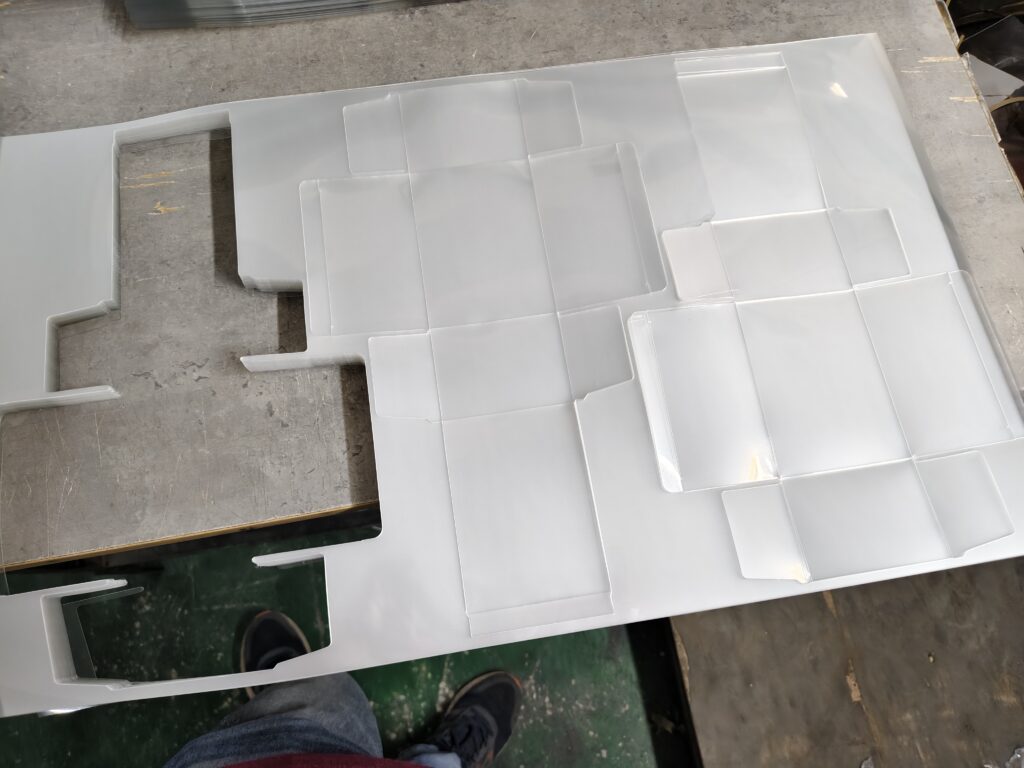
    Three die-cut PET packaging box blanks arranged on one plastic sheet

    This photo shows three PET packaging box blanks arranged on one sheet after die-cutting and creasing. One of the blanks has already been removed, leaving the empty area on the left.

    A packaging dieline is a flat technical drawing that shows the exact structure of a packaging box before it is cut, creased, folded, and glued.

    It normally includes cutting lines, crease lines, glue areas, bleed areas, and panel positions. Your artwork should be placed directly on the approved dieline so every logo, image, and text appears in the correct position after the box is formed.The approved dieline determines the shape, crease positions, glue areas, and layout of each box blank on the plastic sheet.

    Artwork File Formats We Recommend

    For the best printing result, vector artwork files are strongly recommended. Common acceptable formats include Adobe Illustrator (AI), editable PDF, EPS, and CDR.

    Vector files allow the manufacturer to adjust the artwork without losing image quality. If photos or raster images are included, they should normally have a resolution of at least 300 DPI at the final printing size.

    Preferred File Formats

    • AI (Adobe Illustrator)
    • Editable PDF
    • EPS
    • CDR
    • High-resolution PSD or TIFF when necessary

    Use the Manufacturer’s Approved Dieline

    Always place your artwork on the final dieline approved by the packaging manufacturer. Do not resize, stretch, or change the dieline unless the manufacturer confirms the modification.

    The cutting lines, crease lines, glue areas, and panel positions must remain unchanged. Altering these elements may cause incorrect folding, misaligned printing, or production problems.

    Important Dieline Rules

    • Keep cutting and crease lines on separate layers
    • Do not move or delete structural lines
    • Keep logos and text away from folds and edges
    • Do not place important artwork inside glue areas
    • Confirm the final box size before starting the design

    Set the Correct Bleed and Safe Area

    Bleed is the extra artwork that extends beyond the cutting line. It helps prevent unwanted white edges caused by small cutting tolerances during production.

    For most packaging artwork, a bleed of approximately 3 mm is commonly used. Important logos, text, barcodes, and product information should also remain inside the safe area, away from cutting and crease lines.

    Recommended Artwork Spacing

    • Extend background colors and images at least 3 mm beyond the cutting line
    • Keep important text and logos at least 3–5 mm inside the cutting line
    • Avoid placing barcodes directly on folds or crease lines
    • Keep small text away from transparent glue areas
    • Check that artwork continues correctly across connected panels

    Use CMYK Colors and Specify Special Inks

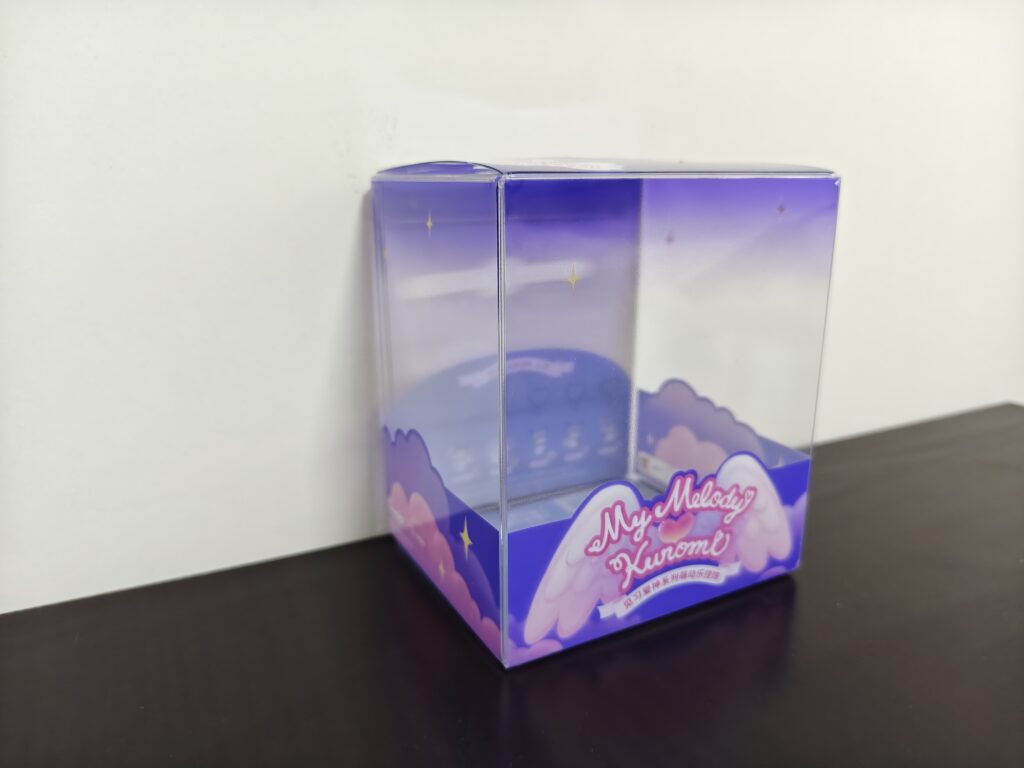
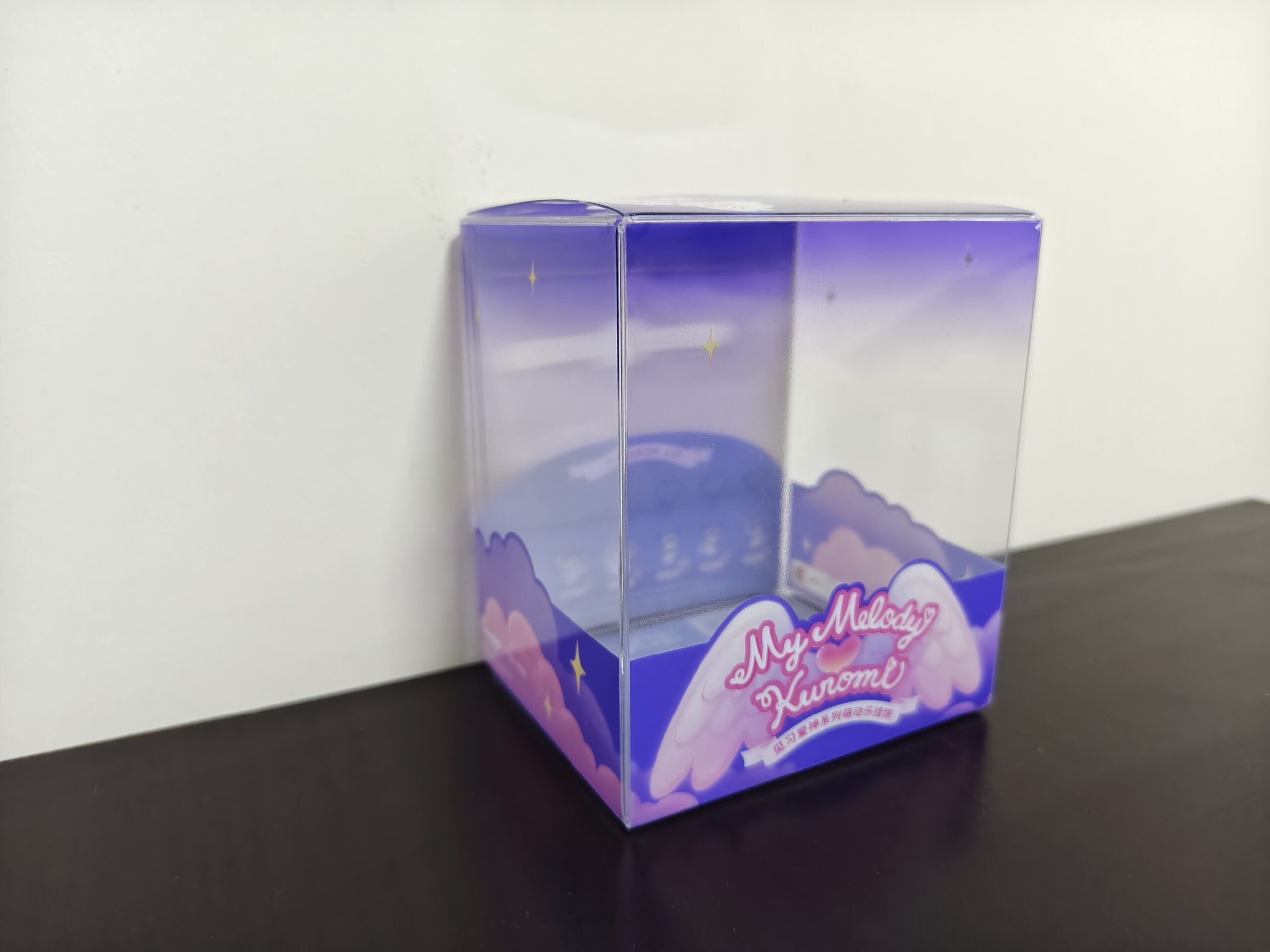
    Custom printed transparent PET packaging box with purple color graphics
    Example of a custom printed transparent PET packaging box with full-color graphics.

    Packaging artwork should normally be prepared in CMYK color mode because commercial printing uses cyan, magenta, yellow, and black inks. Artwork created in RGB may look different after printing because RGB colors are designed for screens rather than printed materials.

    If your design requires Pantone colors, metallic ink, white ink, spot UV, or hot stamping, clearly mark these elements on separate layers and provide the corresponding color codes or finishing instructions.

    Color Preparation Checklist

    • Convert all artwork from RGB to CMYK before submission
    • Provide Pantone codes for exact brand colors
    • Place white ink, spot UV, and hot stamping on separate layers
    • Avoid using very light colors without confirming print visibility
    • Request a physical sample when color accuracy is critical

    Outline Fonts and Embed Images

    Before sending the final artwork, convert all fonts to outlines or curves. This prevents missing fonts, unexpected substitutions, and layout changes when the file is opened on another computer.

    All linked images should be embedded in the artwork file. Raster images should normally be at least 300 DPI at the final printing size. Avoid using low-resolution screenshots or images copied directly from websites.

    Font and Image Checklist

    • Convert all fonts to outlines or curves
    • Embed all linked images before submission
    • Use images with at least 300 DPI at final size
    • Check that logos and barcodes remain sharp
    • Avoid low-resolution screenshots and compressed images
    • Flatten complex transparency effects when necessary

    Plan White Ink and Transparent Areas Carefully

    Clear PET packaging is transparent, so printed colors may appear lighter or less opaque than they do on white paper. White ink is often used as a base layer to improve color visibility and create solid printed areas.

    If your design includes transparent windows, reverse printing, or areas that should remain clear, mark them clearly in the artwork. White ink, color printing, and varnish layers should be separated so the manufacturer can identify each production requirement.

    Small white text or fine lines may be difficult to print clearly on transparent material. Keep important details large enough and confirm the minimum printable line width with the manufacturer before production.

    White Ink and Transparency Checklist

    • Mark white ink on a separate spot-color layer
    • Clearly identify areas that must remain transparent
    • Separate white ink, color printing, and finishing layers
    • Avoid very small reverse text on clear PET
    • Confirm whether printing is on the front or reverse side
    • Request a printed sample when transparency is critical
    Custom printed transparent PET toy packaging box with blue graphics

    Common Artwork Mistakes to Avoid

    Many printing and production problems are caused by small artwork preparation mistakes. Checking the following items before submission can reduce revisions, prevent delays, and improve the final appearance of your PET packaging boxes.

    • Using RGB colors instead of CMYK
    • Sending low-resolution images or screenshots
    • Forgetting to outline fonts or embed linked images
    • Changing the approved dieline size or structure
    • Placing logos, text, or barcodes too close to cutting lines
    • Ignoring bleed and safe-area requirements
    • Placing important artwork inside glue areas
    • Failing to separate white ink, spot UV, and hot stamping layers
    • Not marking transparent areas clearly
    • Submitting files without checking the final box orientation

    Before mass production, review the complete artwork together with the approved dieline. A digital proof or physical sample is recommended when the design includes detailed printing, special finishes, or precise color requirements.

    Final Artwork Submission Checklist

    Before sending your artwork to the packaging manufacturer, use this checklist to confirm that the files are ready for review and production.

    • Use the manufacturer-approved dieline
    • Confirm the final box dimensions and orientation
    • Prepare artwork in CMYK color mode
    • Provide Pantone codes for critical brand colors
    • Add approximately 3 mm bleed where required
    • Keep important text and logos inside the safe area
    • Convert all fonts to outlines or curves
    • Embed all linked images
    • Use images with at least 300 DPI at final size
    • Separate cutting, creasing, white ink, spot UV, and hot stamping layers
    • Clearly mark glue areas and transparent areas
    • Check barcodes, spelling, contact information, and legal text
    • Save the final file in AI, editable PDF, EPS, or another approved format
    • Request a digital proof or physical sample before mass production

    A complete and clearly organized artwork file helps the manufacturer review your design faster, reduce revisions, and produce more accurate custom PET packaging boxes.

    Need Help Preparing Your PET Packaging Artwork?

    If you are not sure whether your artwork or dieline is ready for production, our team can help review the files before sampling. We can also prepare or adjust the packaging dieline according to your product size, box structure, printing method, and finishing requirements.
    Send us your product dimensions, artwork files, printing requirements, and estimated order quantity. We will check the information and provide a suitable custom PET packaging solution.

    You can also learn more about our Custom PET Packaging Boxes and PET Packaging Box Manufacturing Process.

  • PET vs PVC vs PP: Which Plastic Material Is Best for Packaging Boxes?

    PET vs PVC vs PP: Which Plastic Material Is Best for Packaging Boxes?

    clear PET plastic packaging boxes

    When choosing a plastic packaging box, selecting the right material is one of the most important decisions. PET, PVC, and PP are the three most common materials used for custom plastic packaging, but each has different characteristics and applications.

    In this guide, we compare PET, PVC, and PP packaging materials to help you choose the best option for your products.

    What Is PET?

    PET plastic packaging box example

    PET (Polyethylene Terephthalate) is one of the most popular materials for transparent plastic packaging boxes.

    Advantages

    • Excellent transparency
    • Eco-friendly and recyclable
    • Strong and durable
    • Food-contact safe
    • Premium appearance

    Typical Applications

    What Is PVC?

    transparent PVC plastic packaging box

    PVC (Polyvinyl Chloride) has been widely used in packaging for many years.

    Advantages

    • Good transparency
    • Lower material cost
    • Easy to process

    Disadvantages

    • Less environmentally friendly
    • Recycling is more difficult
    • Gradually being replaced by PET in many markets

    Typical applications include promotional packaging and low-cost retail products.

    What Is PP?

    PP (Polypropylene) is known for its flexibility and durability.

    Advantages

    • Flexible material
    • Excellent chemical resistance
    • Lightweight
    • Recyclable

    Typical Applications

    • Frosted packaging boxes
    • Folding boxes
    • Stationery packaging
    • Medical packaging

    PET vs PVC vs PP Comparison

    FeaturePETPVCPP
    Transparency★★★★★★★★★☆★★★☆☆
    Durability★★★★★★★★★☆★★★★☆
    Eco-Friendly★★★★★★★☆☆☆★★★★☆
    PrintingExcellentGoodGood
    Retail AppearanceExcellentGoodGood
    CostMediumLowMedium

    Which Material Should You Choose?

    If your products require a premium appearance and excellent transparency, PET is the best choice.

    If your project focuses mainly on reducing material cost, PVC may still be an option.

    If flexibility is more important than transparency, PP is worth considering.

    For most retail packaging applications, PET has become the preferred material because it combines excellent appearance, durability, and environmental performance.

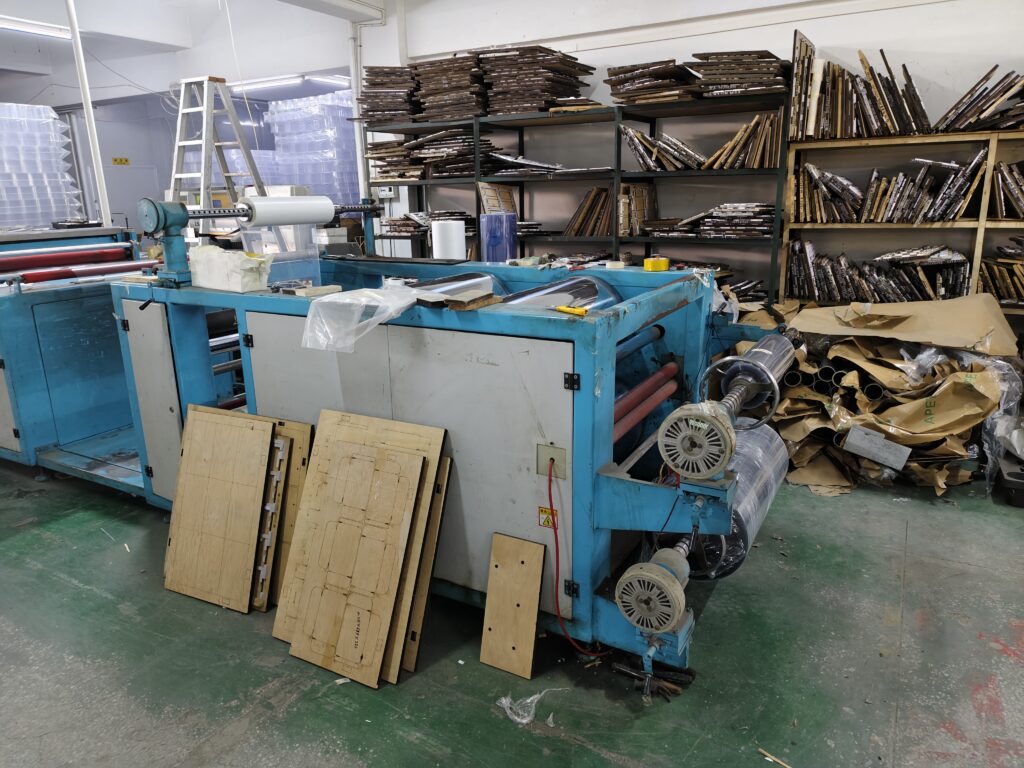
    plastic packaging box production machine

    Why Choose Our Plastic Packaging Factory?

    We have specialized in custom plastic folding boxes since 2007.

    We provide:

    • Custom PET, PVC and PP packaging boxes
    • OEM & ODM manufacturing
    • Custom printing and logo
    • Low MOQ
    • Fast sampling
    • Worldwide shipping

    Whether you need cosmetic packaging, toy packaging, or phone case packaging, our experienced team can provide customized solutions.

    Learn more about our Custom Plastic Packaging Boxes.

    Frequently Asked Questions

    Is PET better than PVC?

    PET is generally considered a better choice because it is recyclable, environmentally friendly, and offers better transparency.

    Is PP recyclable?

    Yes. PP is recyclable and is commonly used for flexible plastic packaging.

    Which material is best for cosmetic packaging?

    PET is usually the preferred material because of its crystal-clear appearance and excellent durability.

    Contact Us

    Looking for a reliable plastic packaging manufacturer in China?

    We provide custom PET, PVC and PP packaging boxes with low MOQ, fast sampling and worldwide shipping.

    Contact us today to get your free quotation within 24 hours.

  • How Much Do Custom PET Packaging Boxes Cost? (Complete Pricing Guide 2026)

    How Much Do Custom PET Packaging Boxes Cost? (Complete Pricing Guide 2026)

    Custom PET packaging boxes cost depends on several factors including box size, material thickness, printing, tooling, and order quantity.

    “How much do custom PET packaging boxes cost?”

    The answer depends on several factors, including box size, material thickness, printing requirements, order quantity, and whether a new die-cut tool is required.

    At Custom Plastic Box, we manufacture custom PET packaging boxes for cosmetic brands, toy companies, phone accessory brands, and many other industries. Based on our production experience, this guide explains what affects pricing and how you can reduce your packaging costs.

    Whether you’re ordering 500 boxes or 50,000 boxes, understanding these pricing factors will help you make a smarter purchasing decision.

    Custom PET Packaging Boxes Cost Factors

    Several factors influence the final price of custom PET packaging boxes. Even two boxes with similar dimensions may have very different prices because of different production requirements.

    The most important pricing factors include:

    • Box dimensions
    • PET material thickness
    • Printing requirements
    • Order quantity
    • Die-cut tooling
    • Packaging method
    • Delivery requirements

    Let’s look at each factor in detail.

    FactorImpact on Cost
    Box SizeMedium
    Material ThicknessHigh
    PrintingHigh
    Order QuantityVery High
    New ToolingMedium
    ShippingDepends
    Custom PET Packaging Boxes Cost

    Box Size

    Larger packaging boxes require more PET material, resulting in higher material costs.

    Complex box structures may also require additional production time, which increases manufacturing costs.

    Choosing a box that fits your product without excessive empty space is often the most cost-effective solution.

    PET Material Thickness

    PET packaging boxes are available in different thicknesses depending on the product they protect.

    Thicker PET sheets provide better strength and durability but also increase material costs.

    Our team can recommend the most suitable thickness based on your product weight and packaging requirements, helping you balance protection and cost.

    Printing Requirements

    Printing is another major factor that affects the cost of custom PET packaging boxes.

    Clear PET boxes without printing are generally the most economical option because they require fewer production steps.

    For custom printed packaging, artwork preparation, color matching, and printing setup all contribute to the overall production cost.

    However, when order quantities increase, these setup costs are spread across more units, reducing the cost per box.

    If your design uses special finishes such as UV coating, hot stamping, or spot varnish, the production cost will also increase.

    Order Quantity

    Order quantity has one of the biggest impacts on unit pricing.

    Many production costs, including machine setup, tooling preparation, and quality inspection, remain nearly the same regardless of whether you order 500 boxes or 50,000 boxes.

    As order quantities increase, these fixed costs are distributed across more products, resulting in a lower price per unit.

    At Custom Plastic Box, our standard MOQ starts from 500 pieces, making custom PET packaging more accessible for startups and growing brands.

    Die-Cut Tooling

    If your packaging requires a completely new box structure, a custom die-cut tool may be required.

    Die-cut tooling is typically a one-time investment used to produce your packaging accurately and consistently.

    Once the tooling has been completed, it can usually be reused for future orders of the same box design, helping reduce long-term packaging costs.

    How to Reduce Your Packaging Costs

    There are several practical ways to reduce the cost of custom PET packaging boxes.

    • Choose standard PET material thickness whenever possible.
    • Order larger quantities to reduce the unit price.
    • Finalize your artwork before production to avoid repeated revisions.
    • Use an existing box structure instead of creating a completely new die-cut design.
    • Work directly with an experienced manufacturer to receive practical recommendations for your project.

    Get a Custom PET Packaging Box Quote

    Every packaging project is different, and the final price depends on your product specifications.

    If you already have artwork, dimensions, or a sample box, simply send them to our team.

    We’ll recommend the most suitable PET packaging solution and provide a competitive quotation based on your requirements.

    Looking for an accurate custom PET packaging boxes cost estimate? Contact our team today.

    Frequently Asked Questions

    How much does a custom PET packaging box cost?

    The price depends on box size, material thickness, printing requirements, order quantity, and tooling.

    What is the MOQ?

    Our standard MOQ starts from 500 pieces.

    Do you provide free samples?

    Yes. Stock samples are free. Custom samples may require tooling or printing charges.

    How long is production?

    Normally 7–15 working days after artwork approval.

    Can you customize box size?

    Yes. We manufacture fully customized PET packaging boxes based on your product dimensions.

    Still have questions about your packaging project?
    Contact our team today for free advice and a competitive quotation.

    You May Also Like

  • Custom PET Packaging Boxes MOQ: 500 PCS Minimum Order Guide

    Custom PET Packaging Boxes MOQ: 500 PCS Minimum Order Guide

    If you’re looking for PET Packaging Boxes MOQ information, one of the first questions you’ll probably ask is:

    “What is the minimum order quantity (MOQ)?”

    Whether you’re launching a new cosmetic brand, phone accessory, toy, or retail product, understanding the MOQ helps you estimate costs and choose the right packaging manufacturer.

    The standard PET Packaging Boxes MOQ at Custom Plastic Box starts from 500 pieces.

    The minimum order quantity for PET packaging boxes varies depending on the manufacturer, box design, printing requirements, and production process.

    At Custom Plastic Box, our standard MOQ starts from 500 pieces, making it easier for startups, wholesalers, and growing brands to order high-quality custom PET packaging without committing to extremely large quantities.

    In this guide, we’ll explain why manufacturers have MOQ requirements, what factors affect minimum order quantities, and how you can reduce your packaging costs.

    PET Packaging Boxes MOQ: Why Do Manufacturers Set Minimum Orders?

    Many buyers believe manufacturers simply decide on a minimum order quantity, but there are practical reasons behind it.

    Before production begins, manufacturers need to prepare raw materials, create production files, adjust machine settings, prepare tooling, and perform quality checks. These preparation steps require time and labor regardless of whether the order is for 500 boxes or 50,000 boxes.

    Because these fixed production costs need to be shared across the total order quantity, manufacturers set a minimum order quantity to maintain efficient production and competitive pricing.

    PET Packaging Boxes MOQ

    Our Standard MOQ for Custom PET Packaging Boxes

    At Custom Plastic Box, our standard minimum order quantity is 500 pieces.

    Compared with many manufacturers that require 1,000, 3,000 or even 5,000 pieces, our lower MOQ offers greater flexibility for businesses that are launching new products or testing the market.

    Whether you need clear PET packaging boxes or custom printed PET packaging boxes, our team will recommend the most suitable production solution based on your project requirements.

    What Factors Affect MOQ?

    Although our standard MOQ starts at 500 pieces, several factors can influence the final quotation and production arrangement.

    Understanding these factors helps buyers estimate costs more accurately and choose the most suitable packaging solution.

    Box Structure

    Simple folding boxes are generally easier and faster to manufacture than complex packaging structures.

    Boxes with special locking mechanisms, unique shapes, or complicated folding designs may require additional tooling and production preparation.

    Printing Requirements

    Printed PET packaging boxes usually require artwork preparation and printing setup before production begins.

    Although printing is available for both small and large orders, production schedules may vary depending on artwork approval and manufacturing arrangements.

    Custom Die-Cut Tooling

    If your packaging requires a completely new box structure, a custom die-cut tool may need to be produced.

    Since tooling is a fixed production cost, it has a greater impact on smaller orders than on larger production runs.

    Material Thickness

    Different PET material thicknesses may also affect production planning.

    Choosing standard material specifications can often improve production efficiency and help reduce overall costs.

    Why Do Small Orders Cost More?

    Many customers wonder why ordering 500 boxes costs more per unit than ordering 5,000 boxes.

    The answer is simple: fixed production costs are distributed across fewer products.

    Machine setup, tooling preparation, quality inspection, and production planning require nearly the same amount of work regardless of order size.

    As production quantities increase, these fixed costs are shared across more units, resulting in a lower price per box.

    Can I Order Less Than 500 Pieces?

    Many customers ask whether they can order fewer than 500 custom PET packaging boxes.

    In most cases, our standard MOQ is 500 pieces because this quantity allows us to maintain stable production efficiency and competitive pricing.

    For quantities below 500 pieces, production is still possible for some projects, but the unit price may be higher due to tooling costs, production setup, and manufacturing efficiency.

    If you’re unsure about your required quantity, simply contact our team. We’ll recommend the most suitable production solution based on your project.

    Free Sample Policy

    Before placing a mass production order, many customers prefer to evaluate the product quality first.

    We provide up to 10 free sample boxes for standard evaluation. Customers only need to pay the shipping cost.

    This allows you to check the material, transparency, folding quality, and overall workmanship before making a purchasing decision.

    For completely customized samples that require new tooling or special production processes, additional costs may apply depending on the project.

    How to Get an Accurate Quote?

    To receive an accurate quotation, please provide as much project information as possible.

    This usually includes:

    If you already have drawings or packaging artwork, our engineering team can review them and provide the most suitable production solution.

    Conclusion

    Choosing the right PET packaging manufacturer isn’t only about finding the lowest price.

    Understanding the minimum order quantity helps you plan your budget, reduce production costs, and avoid unnecessary delays.

    At Custom Plastic Box, we offer flexible custom PET packaging solutions with a standard MOQ starting from 500 pieces, free sample support, and professional manufacturing experience.

    If you’re planning your next packaging project, feel free to contact us for a free quotation.

    Related Guides

    Ready to start your custom PET packaging project?

    👉 Contact us today for a free quotation and sample consultation.

    Learn more about PET plastic material from Wikipedia.

  • How to Choose the Right PET Packaging Box Manufacturer

    PET packaging box manufacturer selection is one of the most important decisions for any packaging project. Choosing the right supplier helps ensure high quality, competitive pricing and reliable production.

    Whether you are sourcing packaging for cosmetics, toys, phone accessories or other retail products, selecting the right supplier can help improve your brand image while reducing production risks.

    In this guide, we’ll explain the most important factors to consider before choosing a PET packaging box manufacturer.

    Why Choosing the Right Manufacturer Matters

    Not all PET packaging manufacturers offer the same level of quality and service. An experienced supplier can provide better material selection, accurate printing, efficient production and reliable delivery.

    Working with the right manufacturer also reduces communication problems, production delays and quality issues. This is especially important for brands that require custom packaging for international markets.

    Look for Manufacturing Experience

    Experience is one of the first factors to consider when selecting a PET packaging manufacturer.

    A factory with years of production experience usually has a better understanding of different packaging structures, material properties and customer requirements.

    Experienced manufacturers can also provide practical suggestions that help reduce costs while improving packaging quality.

    • Years of manufacturing experience
    • OEM & ODM capability
    • Export experience
    • Professional engineering support
    • Experience with different industries

    Evaluate Material Quality

    The quality of PET material directly affects the appearance, strength and overall performance of the packaging box.

    A professional manufacturer should provide high-quality PET sheets with excellent transparency, stable thickness and consistent production quality. Depending on your product and market requirements, the manufacturer should also be able to offer different material options.

    • Virgin PET material
    • Recyclable RPET options
    • Different thicknesses available
    • High transparency and gloss
    • Food-grade material when required

    Choosing the right material not only improves product presentation but also helps meet environmental regulations in different countries.

    Custom Packaging Capabilities

    Every brand has unique packaging requirements. A reliable PET packaging box manufacturer should provide complete OEM and ODM customization services instead of offering only standard products.

    Custom packaging helps improve brand recognition while creating a better customer experience.

    • Custom box dimensions
    • Logo printing
    • Offset and UV printing
    • Transparent or frosted PET
    • Hang tabs
    • Auto-lock bottom
    • Reverse tuck end
    • Window cut-outs
    • Custom inserts

    A manufacturer with strong customization capabilities can develop packaging according to your drawings, samples or product specifications.

    Custom PET Packaging Box Manufacturer

    Before placing a large order, ask whether the manufacturer can provide samples. At Custom Plastic Box, we provide sample production to help customers verify size, structure and printing quality before mass production.

    Production Capacity and Delivery Time

    A reliable manufacturer should have sufficient production capacity to handle both small and large orders.

    Fast production is important, but consistency is even more important. Delayed deliveries can affect your product launch and customer satisfaction.

    • Stable production schedule
    • Fast sample production
    • Flexible order quantities
    • On-time delivery
    • Strict quality inspection before shipment

    Ask the manufacturer about their average production lead time and whether they can handle urgent orders without sacrificing quality.

    PET Packaging Box Manufacturer Quality Control

    Quality control is one of the most important indicators of a professional PET packaging box manufacturer.

    Every production stage should be inspected carefully, from raw material selection to printing, folding, gluing and final packaging.

    • Material inspection
    • Printing color inspection
    • Folding accuracy
    • Glue quality
    • Final product inspection
    • Secure packaging before shipment

    A complete quality control system helps reduce defects and ensures every order meets customer expectations.

    Communication and Customer Service

    Clear communication can save both time and money throughout your project.

    An experienced manufacturer should respond quickly, understand your requirements and provide professional suggestions when needed.

    Good communication often leads to smoother production and long-term business cooperation.

    PET Packaging Box Manufacturer Factory

    Frequently Asked Questions

    How long does sample production take?

    Most sample orders can be completed within 3–7 working days depending on the box structure, printing requirements and quantity.

    What materials do you offer?

    We manufacture packaging boxes using PET, RPET, PP and PVC materials according to customer requirements and export market standards.

    Can you customize the packaging?

    Yes. We provide complete OEM and ODM services including custom dimensions, logo printing, transparent boxes, frosted PET boxes and custom inserts.

    Do you export internationally?

    Yes. We manufacture packaging boxes for customers in Europe, North America, Southeast Asia, the Middle East and many other international markets.

    Do you provide free samples?

    Yes. Sample production is available before mass production so customers can verify the structure, dimensions and printing quality. Free blank samples are available, while printed samples depend on project requirements.

    Conclusion

    Choosing the right PET packaging box manufacturer is more than comparing prices. Manufacturing experience, material quality, production capability, quality control and communication all play important roles in the success of your packaging project.

    Working with an experienced manufacturer helps reduce production risks, improve packaging quality and build a long-term business partnership.

    If you are looking for a reliable PET packaging box manufacturer in China, our team is ready to help with custom packaging solutions for your products.

    Custom PET Packaging Box Manufacturer

    Looking for a Reliable PET Packaging Box Manufacturer?

    At Custom Plastic Box, we specialize in manufacturing custom PET packaging boxes for cosmetics, toys, phone accessories and retail products.

    Our experienced engineering team can help develop packaging based on your drawings, product samples or ideas.

    Contact us today to request a quotation, discuss your project or receive sample support.

    Related Guides

    Learn more about PET material at the Plastics Industry Association.

  • Custom PET Packaging Boxes for Phone Accessories

    Custom PET Packaging Boxes for Phone Accessories

    Phone accessories are one of the fastest-growing consumer product categories worldwide. Products such as phone cases, charging cables, earphones, screen protectors and power banks require attractive and protective packaging to stand out in retail stores and online marketplaces.

    Custom PET packaging boxes have become the preferred solution for many brands because they combine excellent transparency, durability and eco-friendly performance.

    In this guide, we’ll explain why PET packaging boxes are ideal for phone accessories and how custom packaging can help improve your product presentation.

    Why Choose Custom PET Packaging Boxes for Phone Accessories

    PET (Polyethylene Terephthalate) is one of the most popular plastic materials used for retail packaging.

    Compared with traditional plastic materials, PET offers better transparency, stronger impact resistance and excellent recyclability.

    For phone accessories, PET packaging provides several important advantages:

    • Crystal-clear product display
    • Strong protection during transportation
    • Lightweight and easy to assemble
    • Excellent printing performance
    • Environmentally friendly and recyclable

    Because of these advantages, PET packaging boxes are widely used by international phone accessory brands.

    Custom PET Packaging Boxes for Phone Accessories

    Phone Accessories Suitable for PET Packaging

    PET folding boxes are suitable for many types of mobile accessories, including:

    • Mobile phone cases
    • Charging cables
    • USB cables
    • Earphones and earbuds
    • Screen protectors
    • Power banks
    • Wireless chargers
    • Small electronic accessories

    Different products may require different box sizes, structures and material thicknesses, all of which can be customized.

    Clear PET Packaging Box for Phone Accessories

    Custom Packaging Options

    Every brand has different packaging requirements.

    We provide complete OEM and ODM customization services, including:

    • Custom box dimensions
    • Full-color printing
    • Transparent or frosted PET
    • Hang tab packaging
    • Auto-lock bottom
    • Straight tuck end
    • Reverse tuck end
    • Logo printing
    • UV coating
    • Matte or glossy finish

    Our engineering team can also develop packaging according to your drawings or product samples.

    Why PET Is Better Than PVC for Phone Accessory Packaging

    Although both PET and PVC can be used for transparent packaging, PET has become the preferred material for most international brands.Want to compare PET with other materials? Read our PET vs PP Packaging Boxes guide.

    Compared with PVC, PET offers better environmental performance, higher clarity and stronger impact resistance. PET is also recyclable, making it easier for brands to meet sustainability requirements in Europe and North America.

    PVC may still be used for some low-cost packaging projects, but more companies are gradually switching to PET to improve brand image and comply with environmental regulations.

    If your products are exported worldwide, PET is usually the better long-term choice.

    Our Manufacturing Capabilities

    As a professional plastic packaging box manufacturer, we provide complete OEM and ODM services for phone accessory packaging.

    Our production capabilities include:

    • Custom size and structure design
    • PET, PP and PVC material options
    • Offset printing and UV printing
    • Transparent and printed packaging
    • Fast sample production
    • Bulk manufacturing with stable quality control

    Whether you need packaging for a new product launch or long-term retail supply, we can provide reliable manufacturing solutions.

    PET Packaging Box Manufacturer Factory

    Applications of PET Packaging Boxes

    PET packaging boxes are widely used across different consumer electronics industries.

    Typical applications include:

    • Phone case packaging
    • Earphone packaging
    • Charging cable packaging
    • USB cable packaging
    • Power bank packaging
    • Wireless charger packaging
    • Retail display packaging

    Because PET offers excellent visibility, customers can clearly see the product before purchasing, helping increase retail sales.

    Frequently Asked Questions

    Are PET packaging boxes recyclable?

    Yes. PET is a recyclable plastic material and is widely accepted in many recycling systems around the world.

    Can I customize the box size?

    Yes. We manufacture custom packaging boxes according to your product dimensions and requirements.

    Can you print my logo?

    Yes. We provide full-color printing, logo printing, UV coating and other custom printing services.

    Do you provide samples?

    Yes. Samples can be produced before mass production so you can verify the size, structure and printing quality.

    PET is widely recyclable according to international recycling standards.

    Looking for Custom PET Packaging Boxes?

    We specialize in manufacturing custom PET packaging boxes for phone accessories, cosmetic products, toys and retail packaging.

    Whether you need transparent folding boxes, printed packaging or complete OEM solutions, our experienced team is ready to help.

    Contact us today for a free quotation and sample.

    Related Articles

    ✔PET vs PVC Packaging Boxes
    ✔ PET vs PP Packaging Boxes
    ✔ PET vs RPET Packaging Boxes