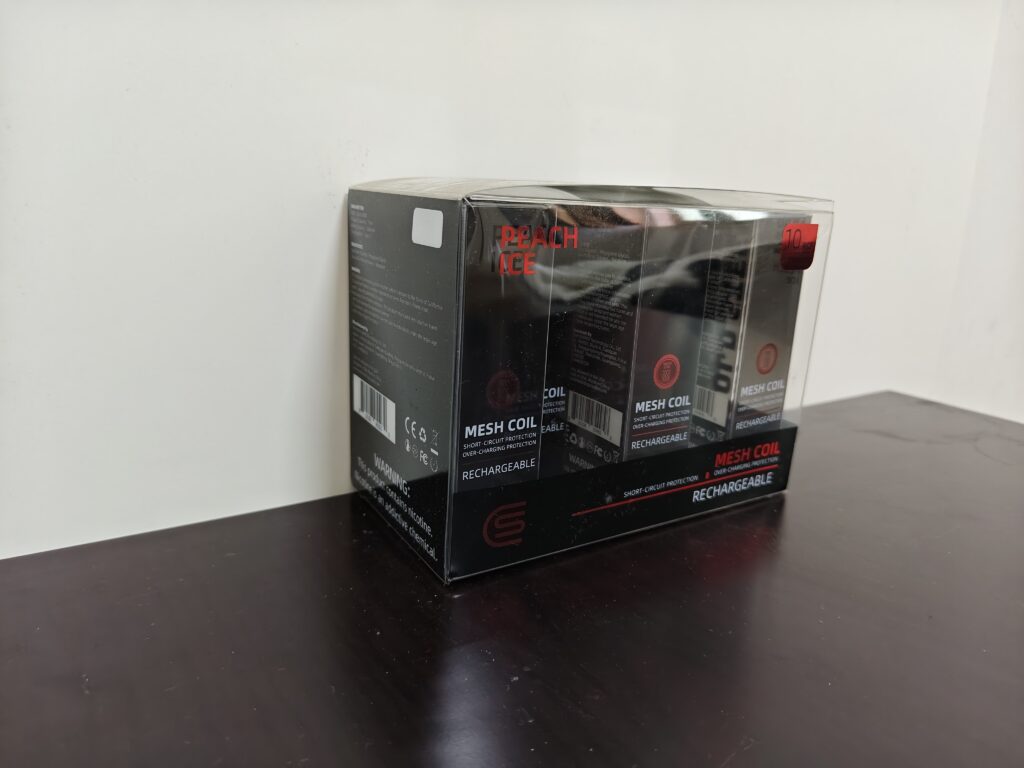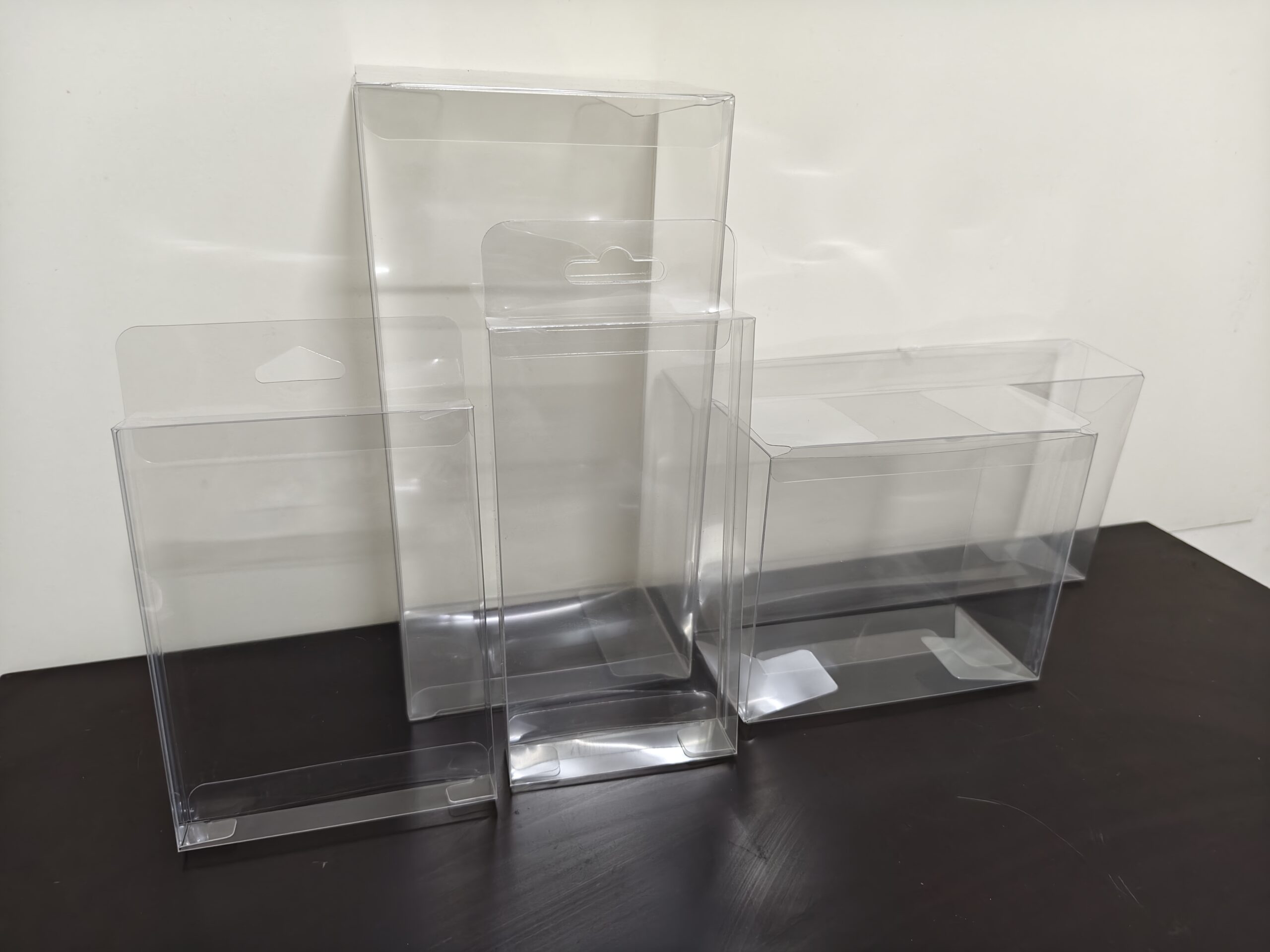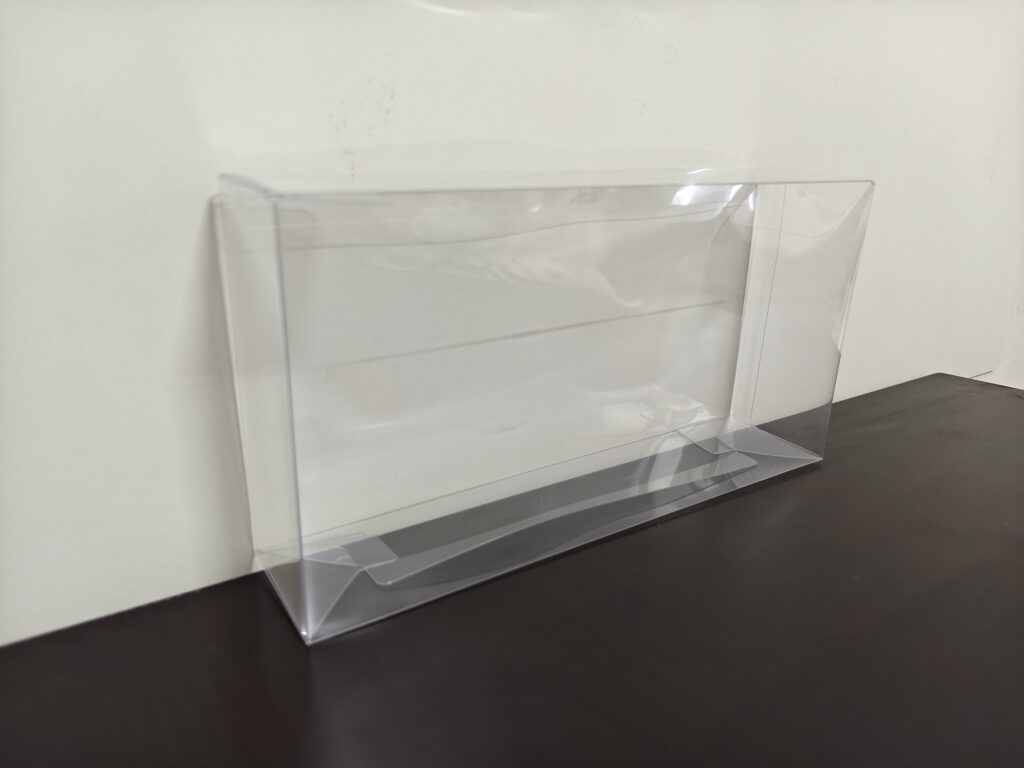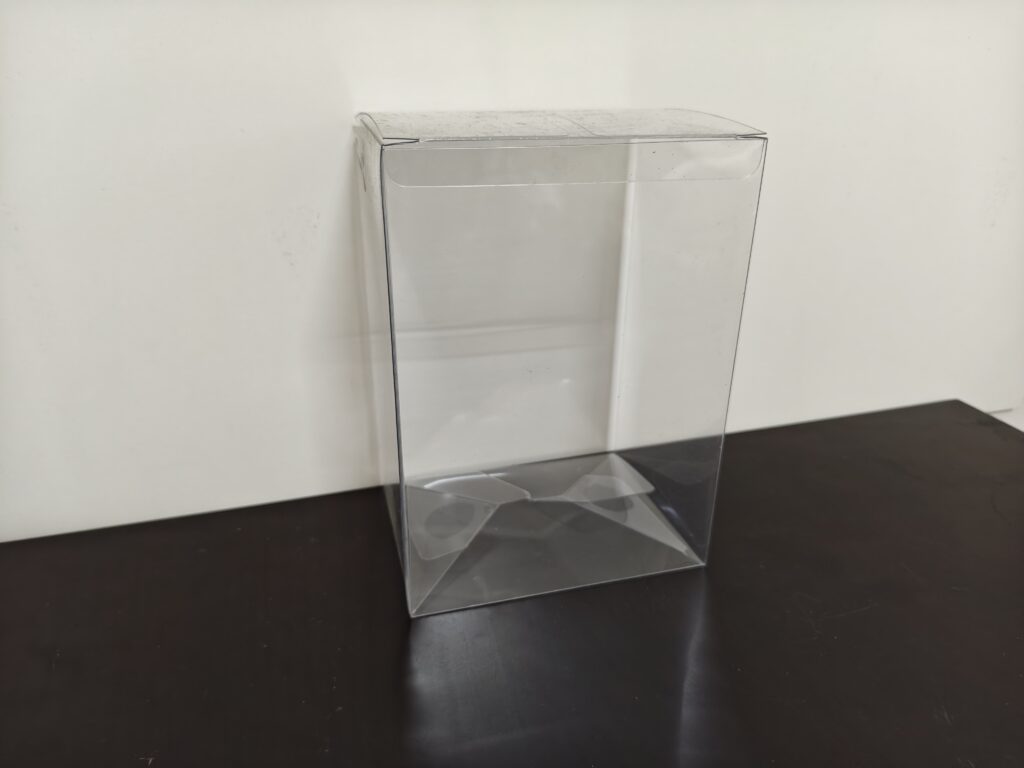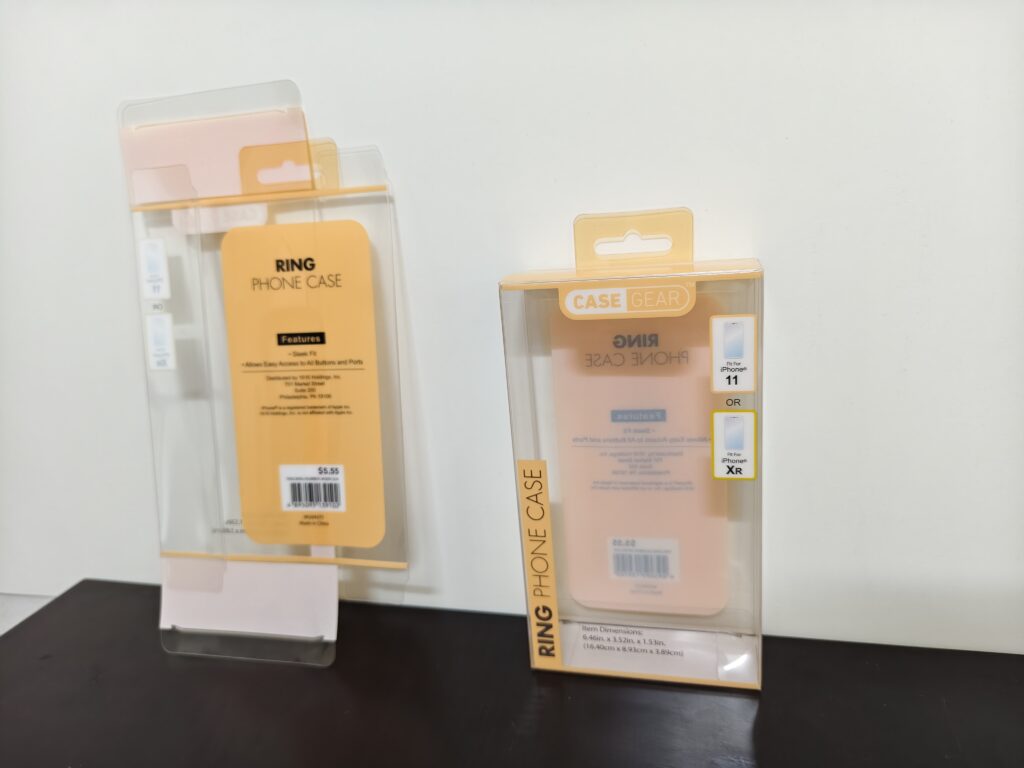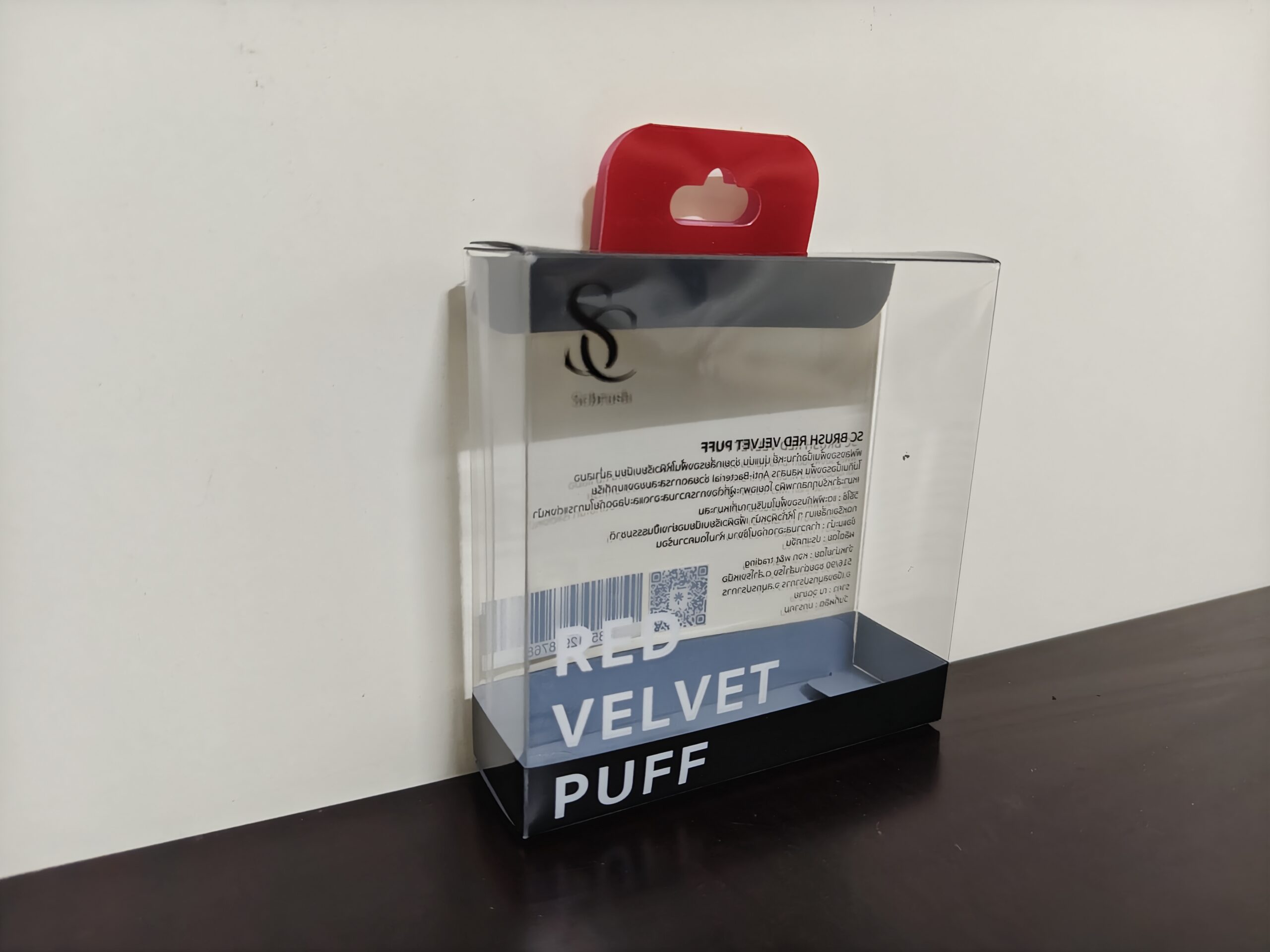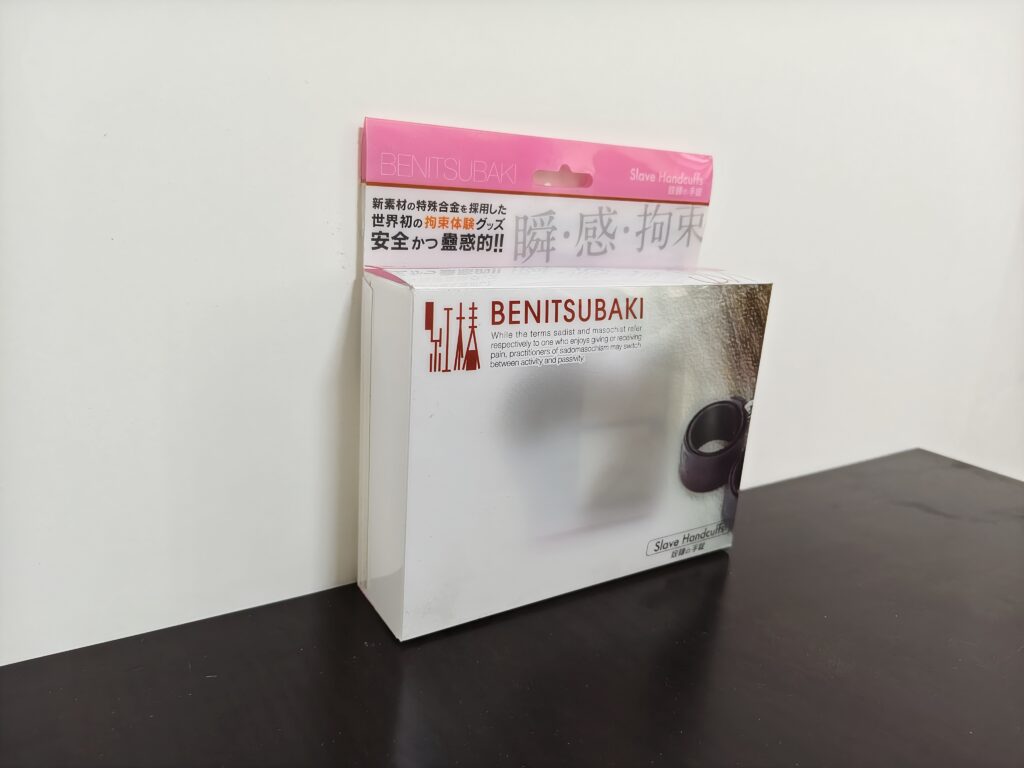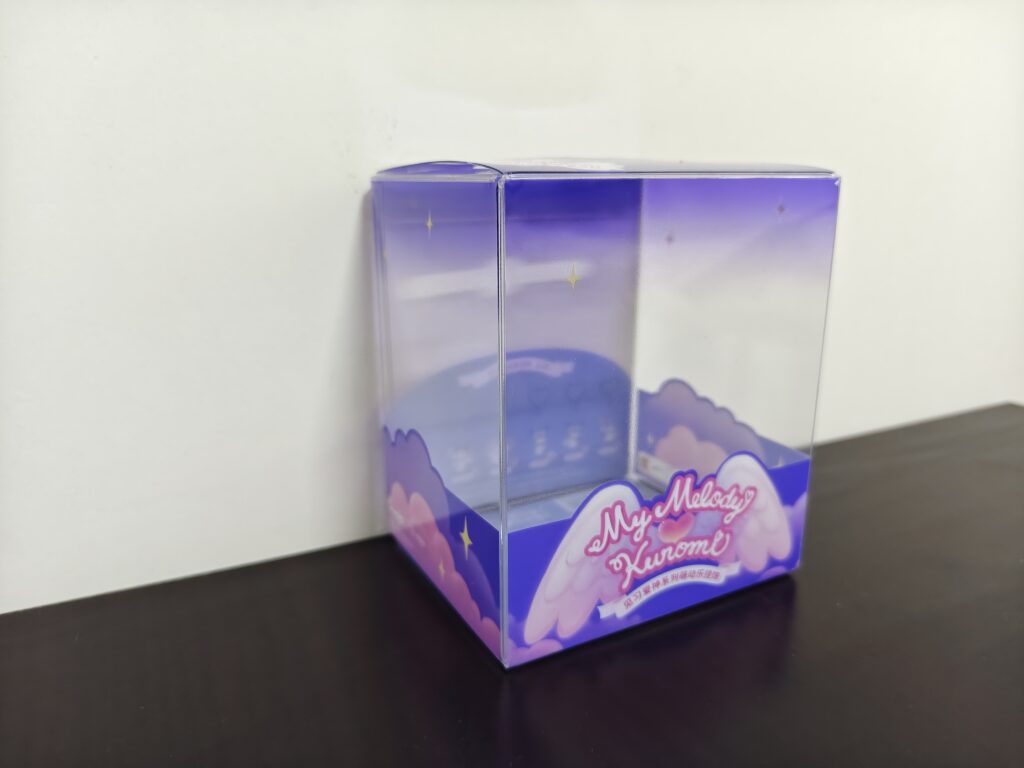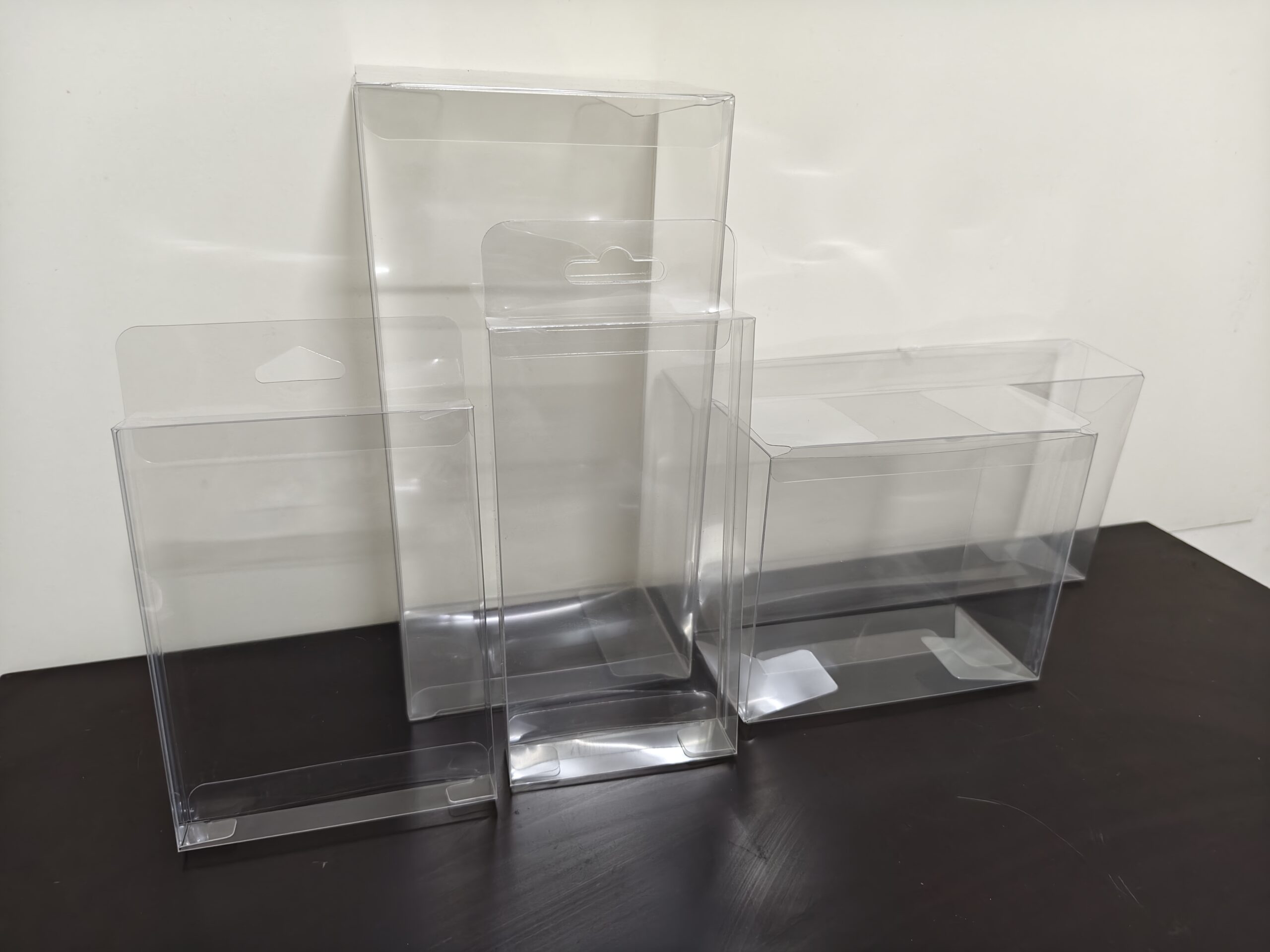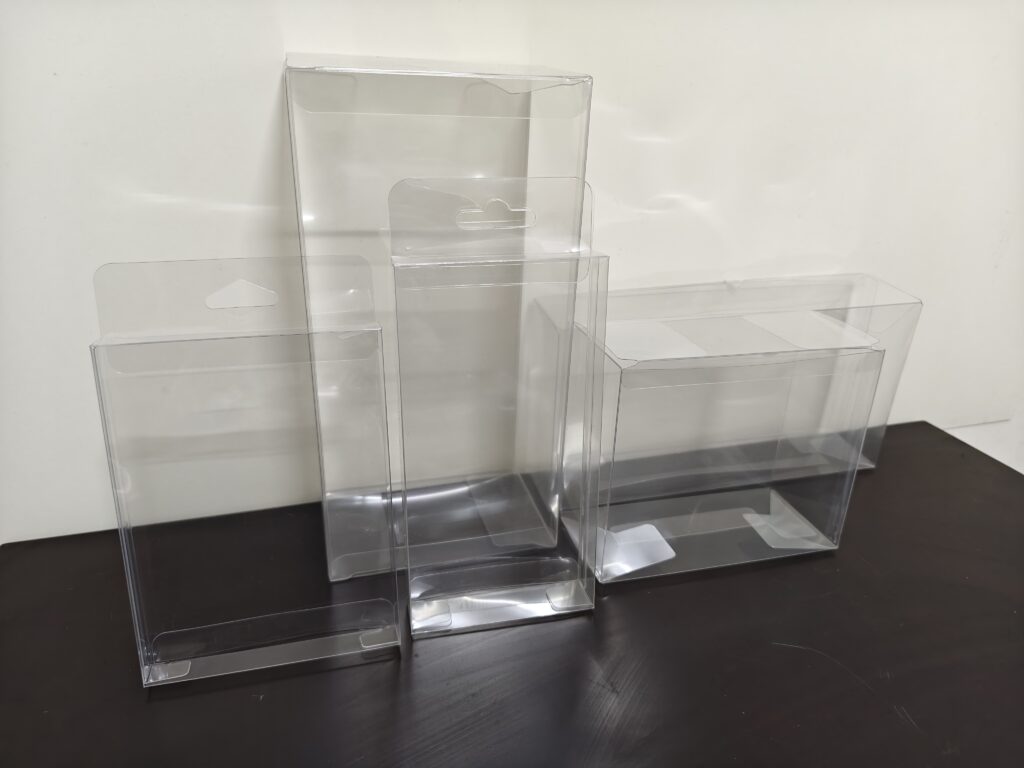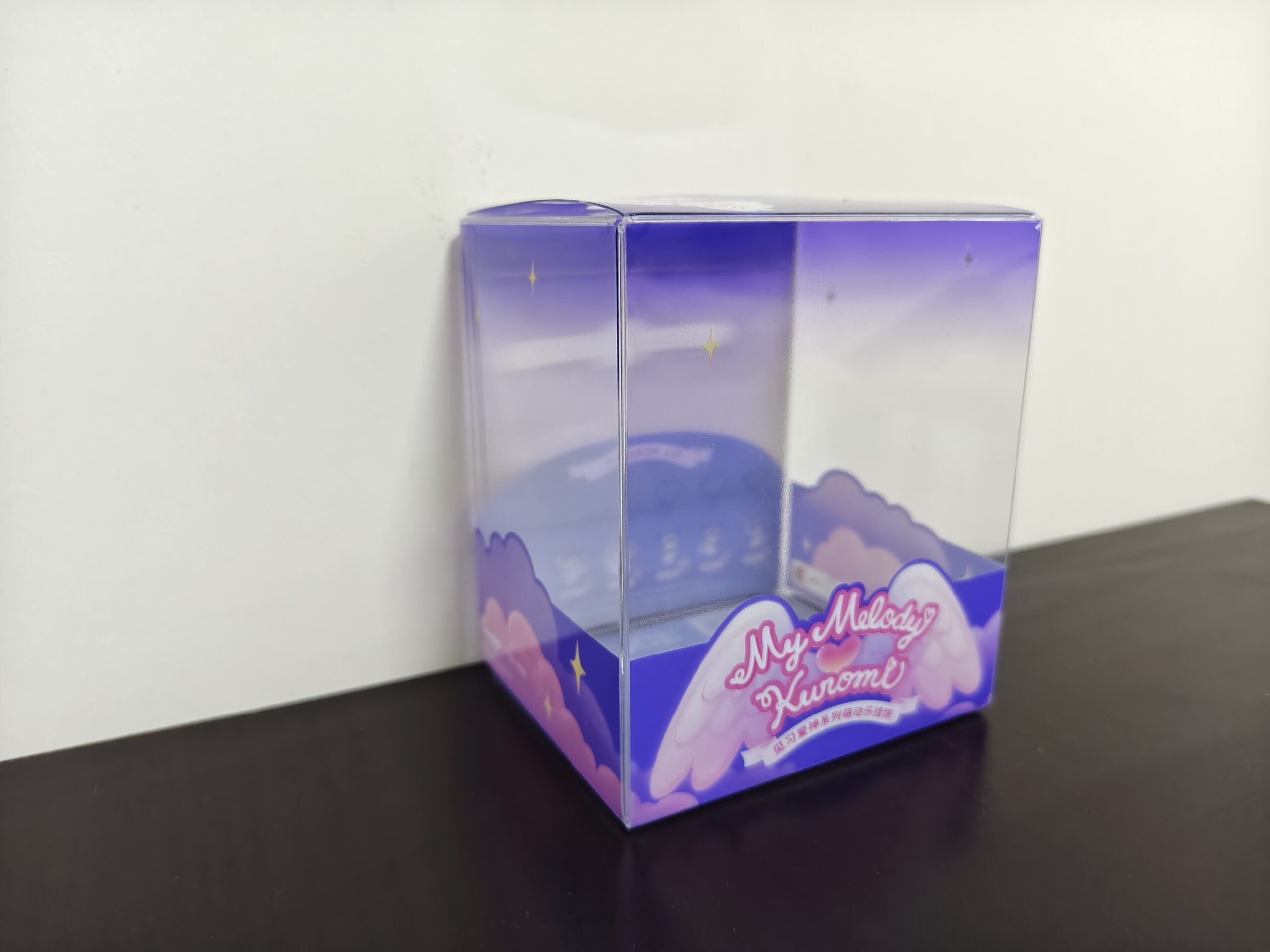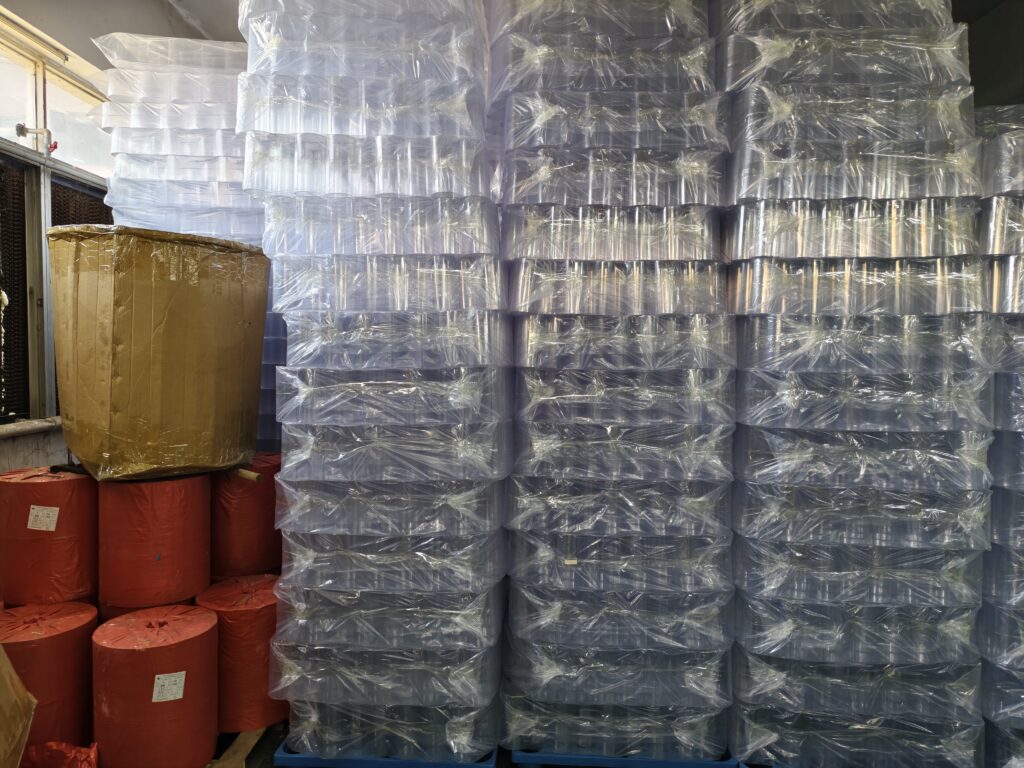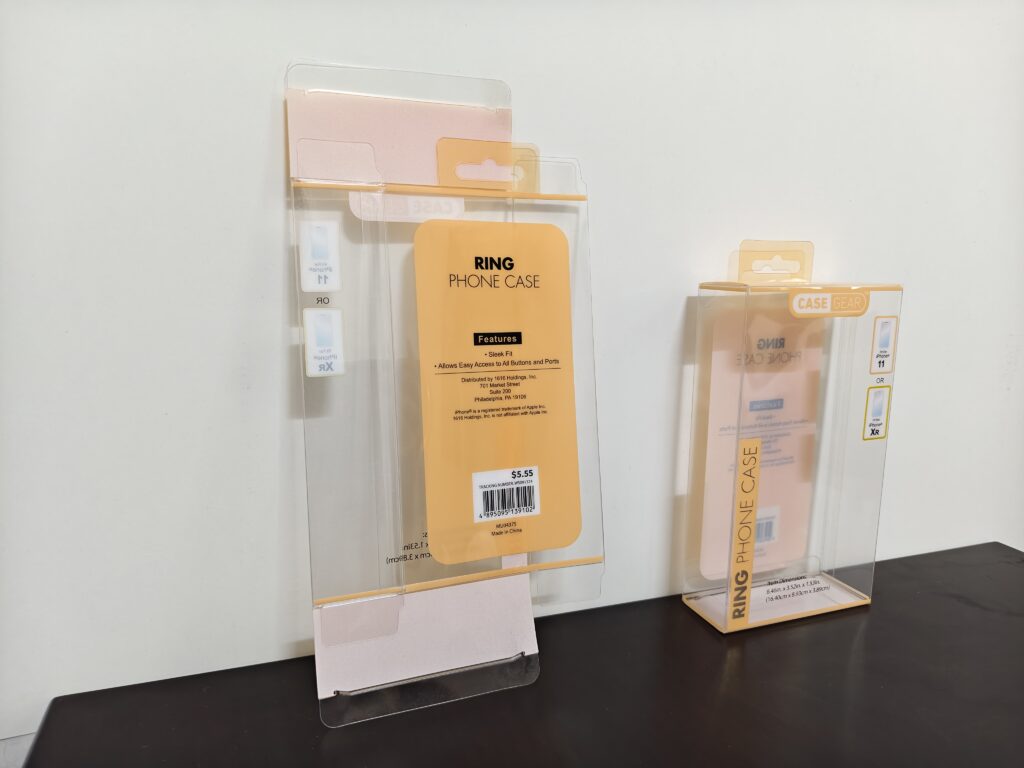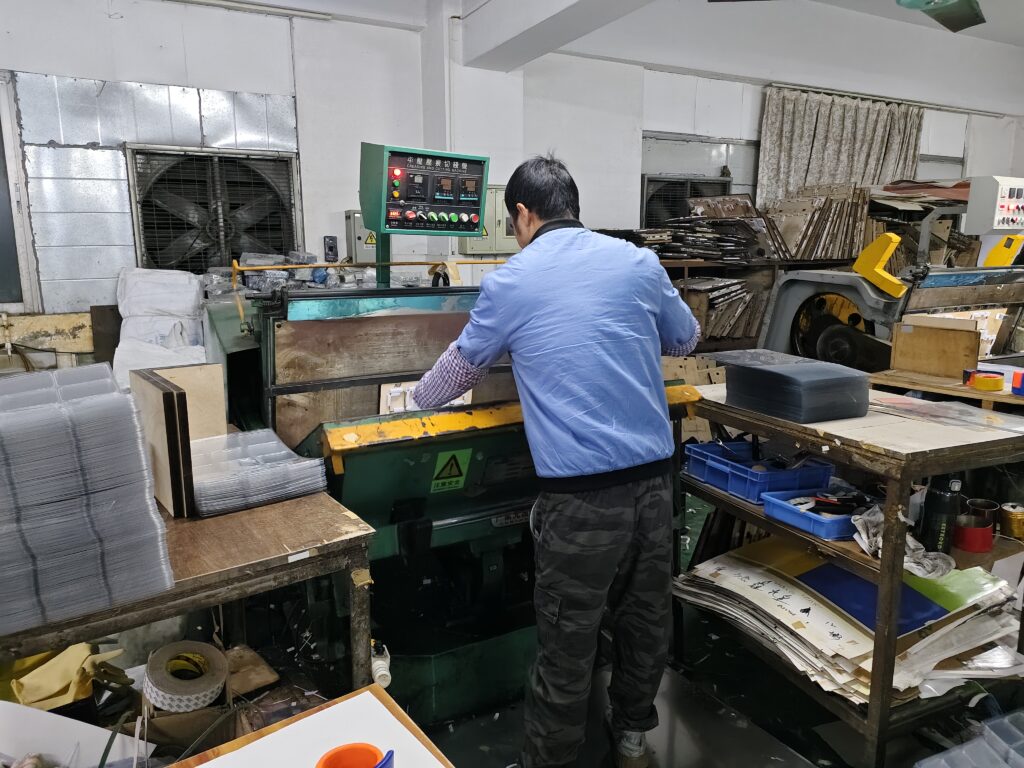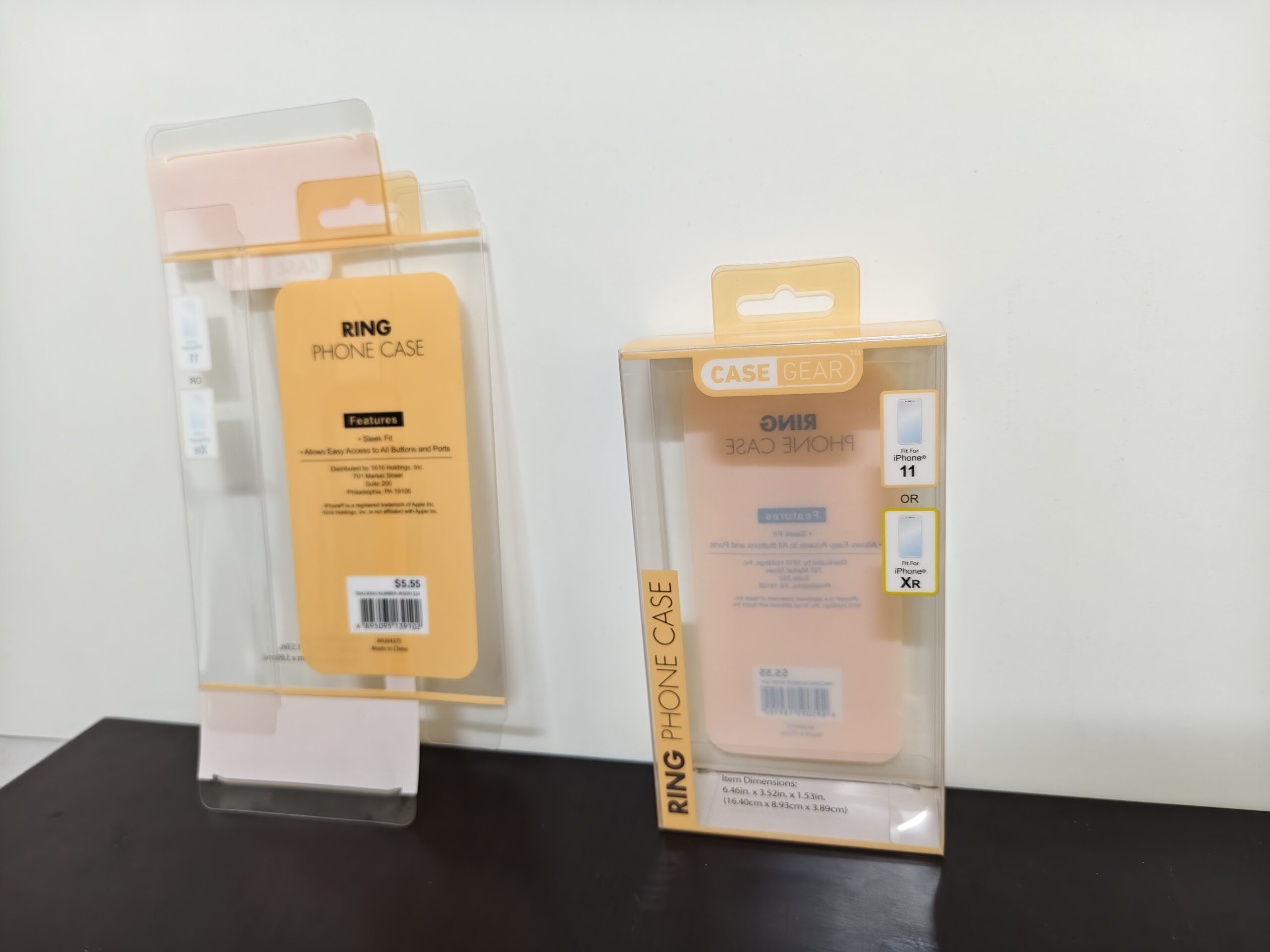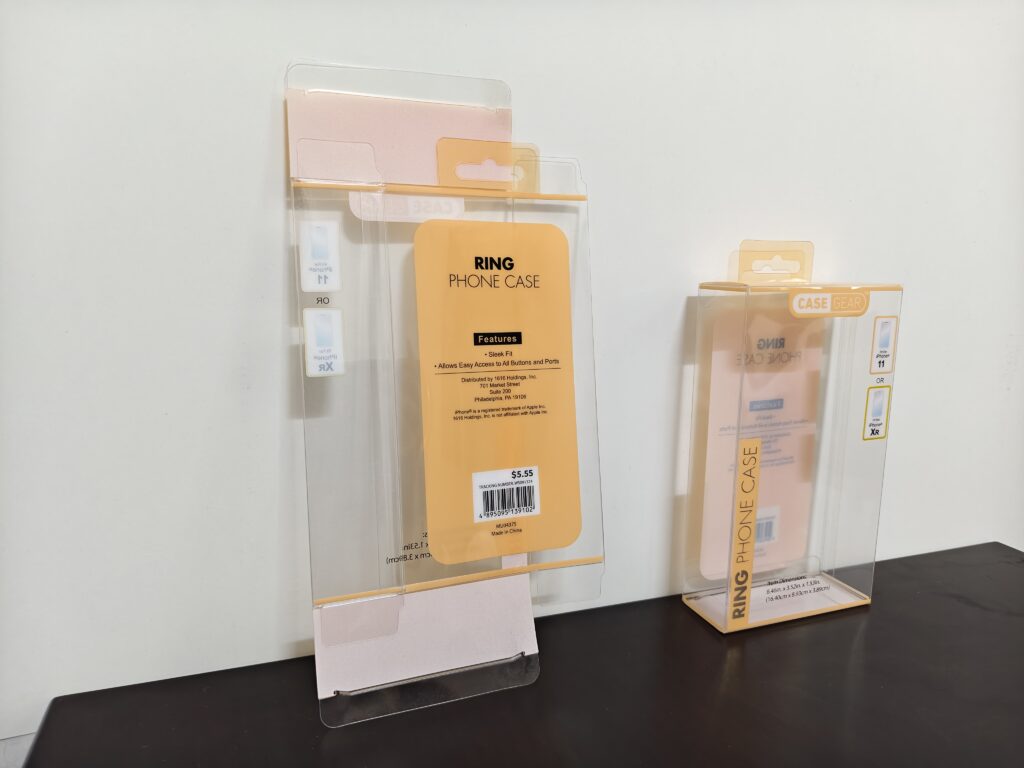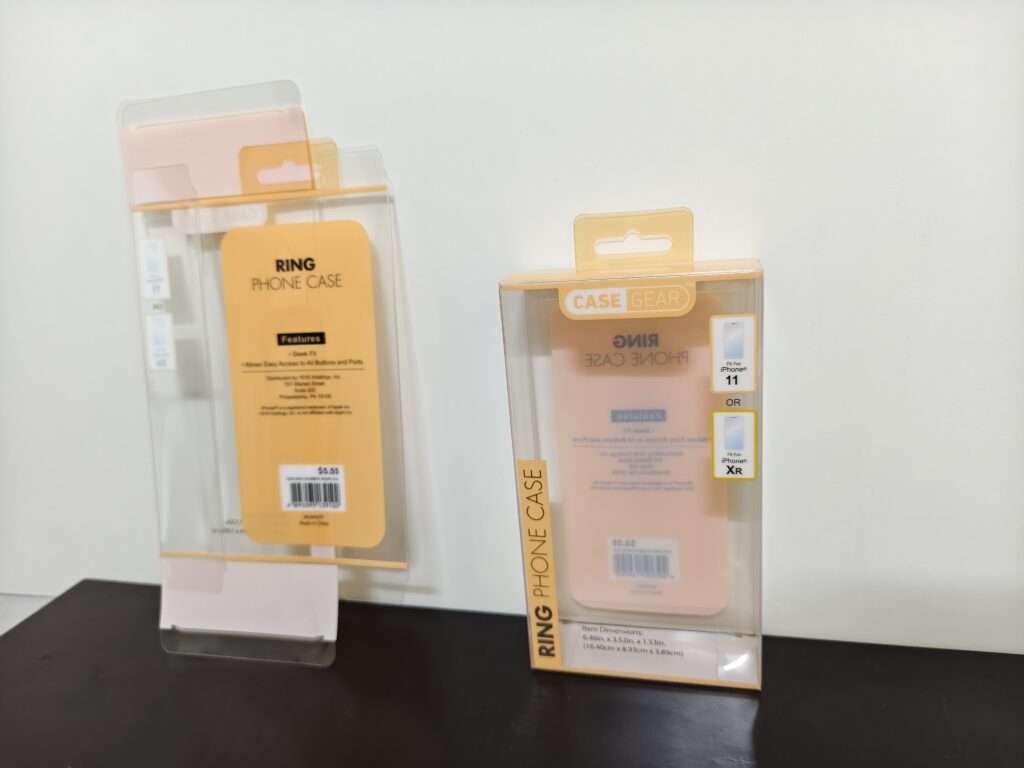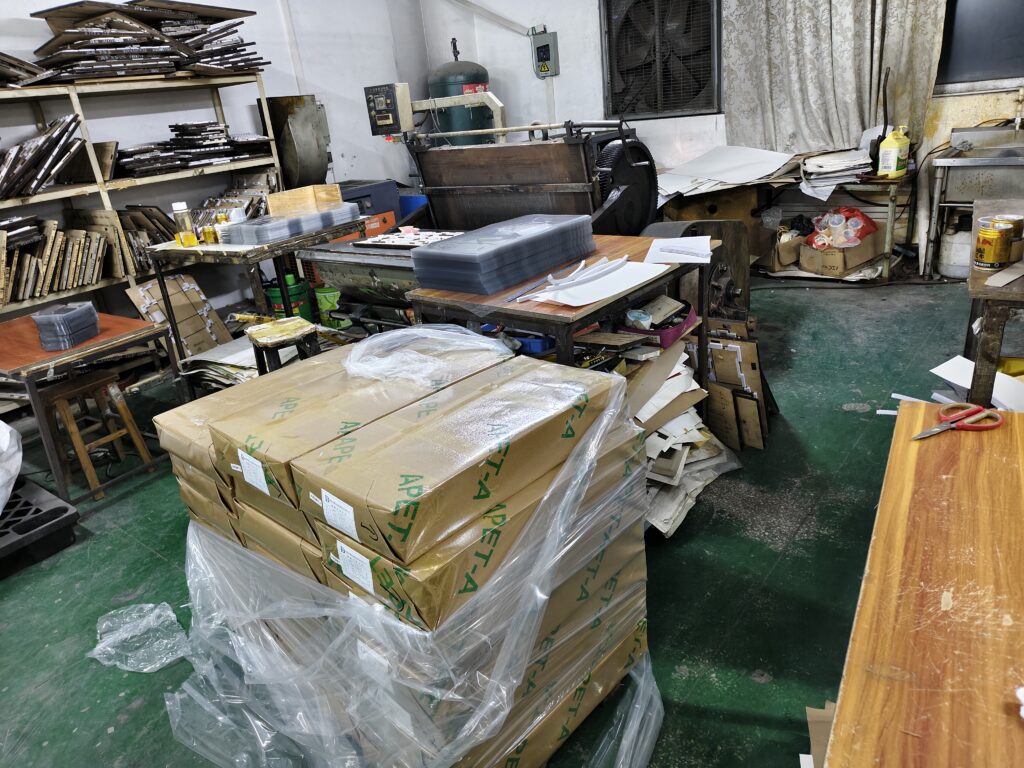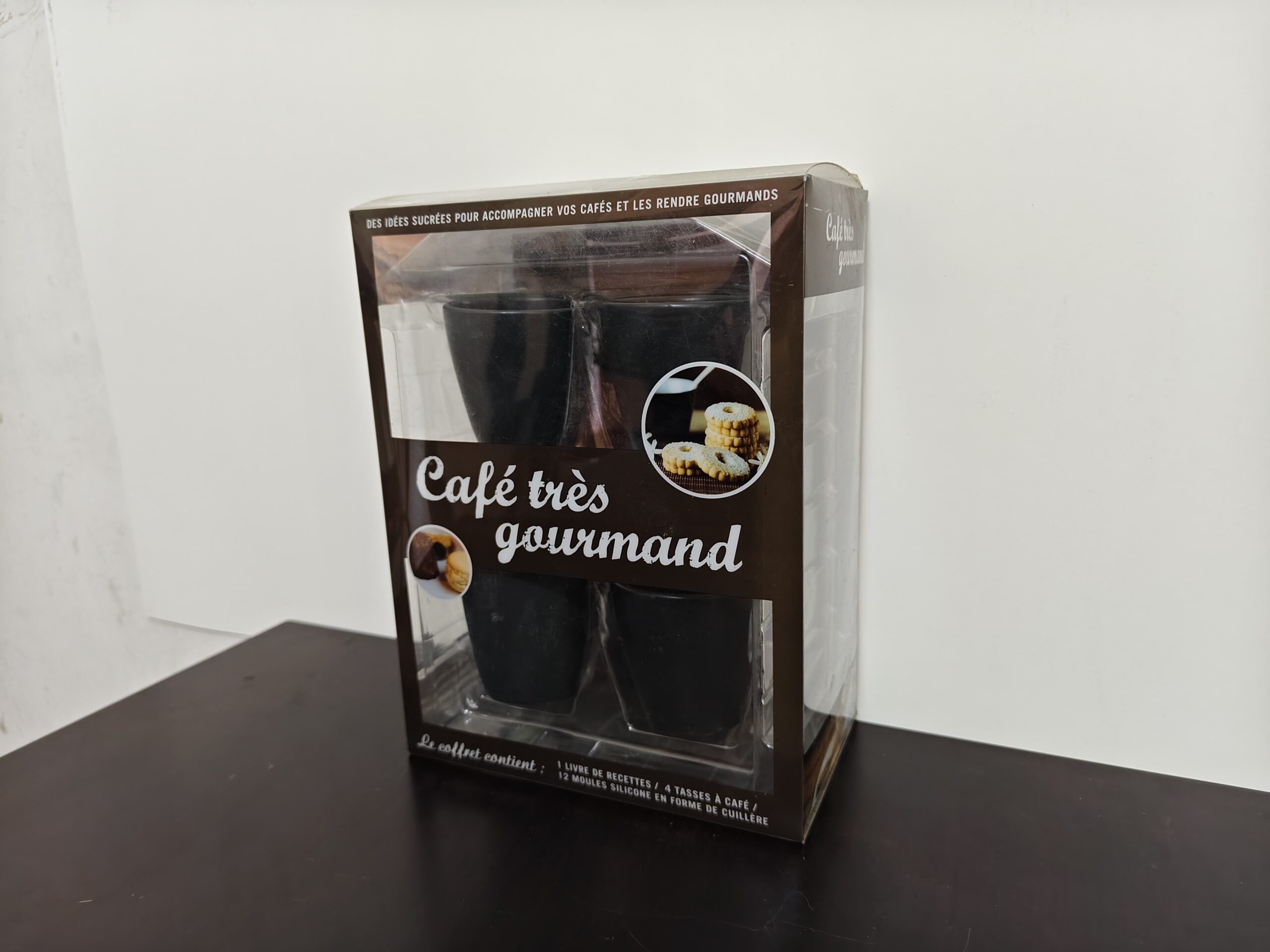
Preparing complete information is the first step toward receiving an accurate quotation for a custom PET packaging box. Missing dimensions, unclear printing requirements, or an unknown order quantity can make it difficult for the manufacturer to calculate the correct price.
PET packaging box quotation requirements normally include product dimensions, box structure, PET thickness, printing details, inserts, order quantity, and delivery information. The more complete the inquiry is, the faster the manufacturer can evaluate material usage, production processes, tooling, and unit cost.
In this guide, we explain what information you should provide when requesting a custom PET packaging box quote and which details can be confirmed later if you are still developing the packaging.
Why Complete Quotation Information Matters
The price of a custom PET packaging box is not determined by size alone. Two boxes with similar dimensions may have very different costs because of differences in PET thickness, box structure, printing coverage, surface finishing, inserts, order quantity, and production difficulty.
Complete information allows the manufacturer to calculate PET material consumption, printing costs, die-cutting requirements, gluing work, packing methods, and production time more accurately.
If important details are missing, the first price may only be a rough estimate. The quotation may need to be revised after the artwork, structure, sample, or order quantity is confirmed.
Providing clear information at the beginning reduces repeated communication, prevents misunderstandings, and helps both sides move from quotation to sampling more efficiently.
Product Dimensions and Required Box Size
Product dimensions are one of the most important PET packaging box quotation requirements. The manufacturer needs the maximum product length, width, and height, preferably recorded in millimeters and written in a consistent order such as L × W × H.
Measure the complete product, including caps, handles, hooks, buttons, raised parts, and any accessories that will be packed inside the box. If several items will be arranged together, provide the dimensions of the complete packed arrangement rather than only the size of each individual item.
If you already know the required internal or finished box dimensions, clearly state whether the dimensions refer to the inside or outside of the box. Internal dimensions determine product fit, while external dimensions may be affected by PET thickness, creasing, folding, and box structure.
When the final box size is not yet confirmed, send the product dimensions, weight, photos, and preferred packing orientation. The manufacturer can then calculate suitable clearance and recommend the finished box dimensions.
Dimension Information to Provide
- Maximum product length, width, and height
- Measurement unit, preferably millimeters
- Product weight
- Dimensions of accessories and inserts
- Preferred product orientation
- Whether the stated box size is internal or external
- Photos from the front, side, and top
- Physical product sample availability
For detailed measurement instructions, read our PET packaging box measurement guide before submitting your inquiry.
Box Structure and Packing Method
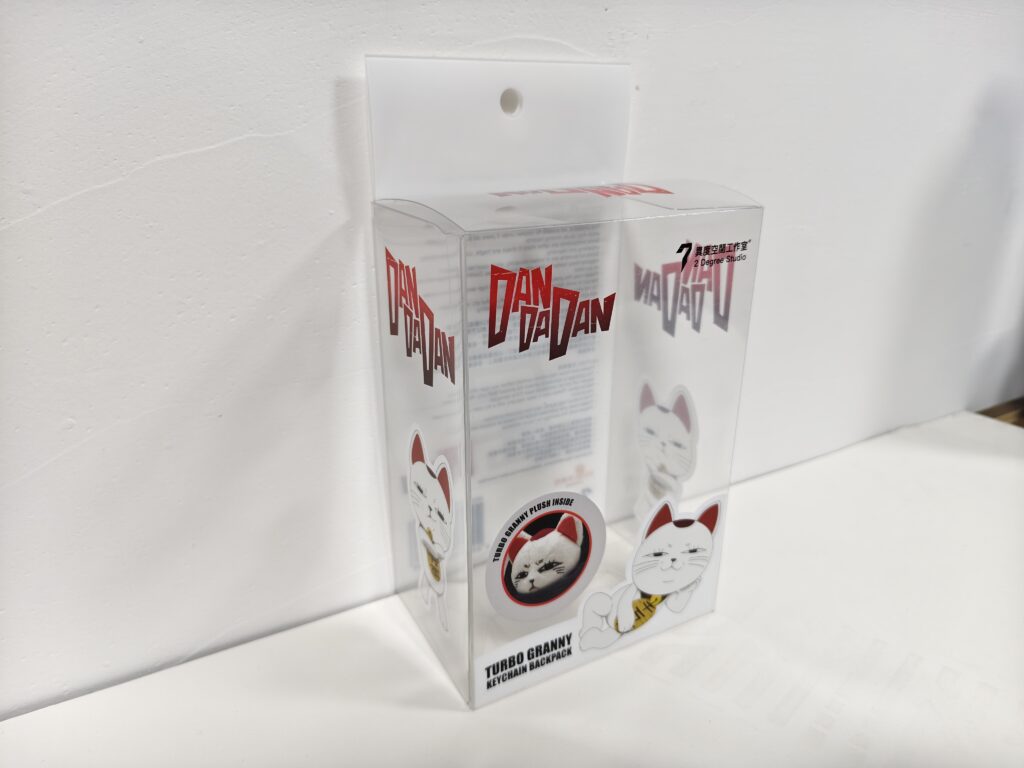
The box structure directly affects material usage, die-cutting complexity, gluing requirements, assembly time, and final quotation. A simple tuck-end box is normally easier and more economical to produce than a box with an auto-lock bottom, hanger tab, sleeve, internal divider, or two-piece structure.
When requesting a quotation, explain how the product should be packed, displayed, opened, and removed. The manufacturer needs to know whether the box will stand on a shelf, hang on a retail hook, include a paper insert, or hold several products together.
If you already have a preferred structure, provide a photo, dieline, sample, or reference box. If the structure is not confirmed, send the product dimensions, weight, display method, and packing requirements so the manufacturer can recommend a suitable option.
The final quotation may change if the box structure is revised after sampling because different structures use different amounts of PET material and may require different die-cutting, folding, and gluing processes.
Structure and Packing Details to Confirm
- Preferred box style
- Shelf display or hanging display
- Manual or automatic packing
- Required bottom strength
- Opening direction
- Product insertion and removal method
- Internal tray, insert, or divider requirements
- Whether the box should be shipped flat
- Reference photos, samples, or dielines
If you are unsure which structure is suitable, compare the most common PET packaging box styles before requesting a quotation.
PET Material and Thickness Requirements
PET material thickness has a direct effect on box strength, stiffness, transparency, folding performance, material consumption, and quotation price. A thicker PET sheet normally provides stronger support, but it also increases material cost and may require different creasing or folding settings.
When requesting a quotation, provide the desired PET thickness if it has already been confirmed. If you are unsure, send the product dimensions, weight, box size, structure, and intended use so the manufacturer can recommend a suitable thickness.
The required thickness may also depend on whether the box must support a heavier product, maintain a rigid retail appearance, hang on a display hook, or include large transparent panels. Very thin material may deform easily, while excessive thickness may increase cost without providing meaningful benefits.
If recycled PET, anti-scratch material, colored PET, frosted material, or another special material is required, this should also be stated because specialty materials may affect availability, minimum order quantity, lead time, and unit price.
Material Details to Confirm
- PET material type
- Required sheet thickness
- Clear, frosted, colored, or printed appearance
- Virgin or recycled PET requirement
- Product weight and support needs
- Anti-scratch or protective film requirement
- Food-contact or other compliance requirements, if applicable
- Whether the manufacturer may recommend the thickness
If you are not sure which thickness is suitable, review our guide to choosing PET packaging box thickness.
Printing and Finishing Requirements
Printing and finishing requirements can significantly affect the quotation because different designs require different printing processes, ink coverage, setup work, and production time.
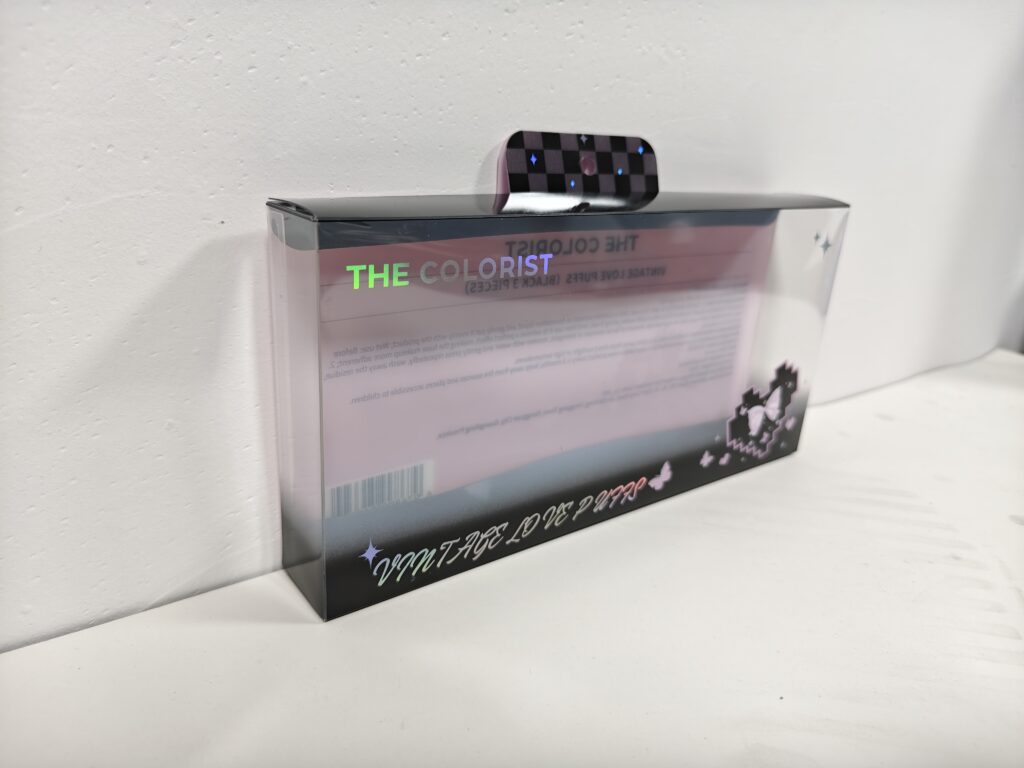
When requesting a price, explain whether the PET box will remain completely transparent, use simple logo printing, include full-color graphics, or require special finishes. A one-color logo is usually simpler to quote than full-surface CMYK printing with white ink, spot UV, metallic ink, or hot stamping.
For transparent PET packaging, also confirm which areas should remain clear and whether white ink is required behind printed colors. White ink can improve opacity and color visibility, but it adds another production step and may increase cost.
If the final artwork is available, send an editable AI, PDF, EPS, or CDR file together with the approved dieline. If the artwork is not ready, provide reference images and describe the expected printing coverage so the manufacturer can prepare a preliminary estimate.
Printing Information to Provide
- Number of printing colors
- Full-color or spot-color printing
- Approximate ink coverage
- White ink requirements
- Transparent areas that must remain clear
- Front-side or reverse-side printing
- Spot UV, hot stamping, metallic ink, or other finishes
- Pantone color codes, if required
- Available artwork file format
- Whether a printed sample is required
For a detailed comparison of available processes, read our guide to PET packaging printing methods.
Artwork and Dieline Availability
Artwork and dieline availability affects how accurately the manufacturer can review the design and prepare the quotation. If the final artwork and approved dieline are already available, the manufacturer can check printing coverage, color count, finishing areas, and production complexity more precisely.
If only the artwork is available, the manufacturer may still need to prepare or adjust the dieline according to the final product dimensions, box structure, PET thickness, and packing method.
If neither the artwork nor the dieline is ready, provide the product dimensions, reference packaging photos, logo files, expected printing area, and any special finishing requirements. The manufacturer can then provide a preliminary quotation based on the available information.
The quotation may need to be updated after the final dieline and artwork are confirmed, especially if the printing area, number of colors, box structure, or finishing process changes.
Artwork and Dieline Information to Provide
- Editable artwork files, if available
- Approved dieline, if available
- Logo and brand files
- Reference packaging images
- Preferred printing area
- Number of printed panels
- White ink and transparent area markings
- Special finishing layers
- Required file format
- Whether dieline preparation is needed
Before sending design files, review our PET packaging artwork and dieline preparation guide.
Order Quantity and Price Breaks
Order quantity is one of the most important PET packaging box quotation requirements because setup costs are distributed across the total number of boxes produced.
Custom PET packaging may involve dieline preparation, die-cutting setup, printing plates or screens, color adjustment, sampling, and packing preparation. These costs do not increase in direct proportion to quantity, so the unit price is usually higher for smaller orders and lower for larger production runs.
When requesting a quotation, provide the expected order quantity as accurately as possible. If you are comparing different purchasing plans, ask the manufacturer to quote several quantity levels, such as 500, 1,000, 3,000, or 5,000 pieces.
The lowest unit price is not always the best purchasing decision. Buyers should also consider storage space, sales volume, design changes, cash flow, and the risk of holding excess packaging inventory.
Quantity Information to Provide
- Initial order quantity
- Expected repeat order quantity
- Quantity required for each design or size
- Number of SKUs
- Whether several designs share the same box structure
- Preferred price-break quantities
- Estimated annual demand
- Whether a trial order is required
For more information about our minimum order quantity, read our custom PET packaging box MOQ guide.
Insert, Tray, and Accessory Requirements
Inserts, trays, dividers, and accessories can significantly affect the final quotation because they change the internal dimensions, material usage, assembly work, and packing method.
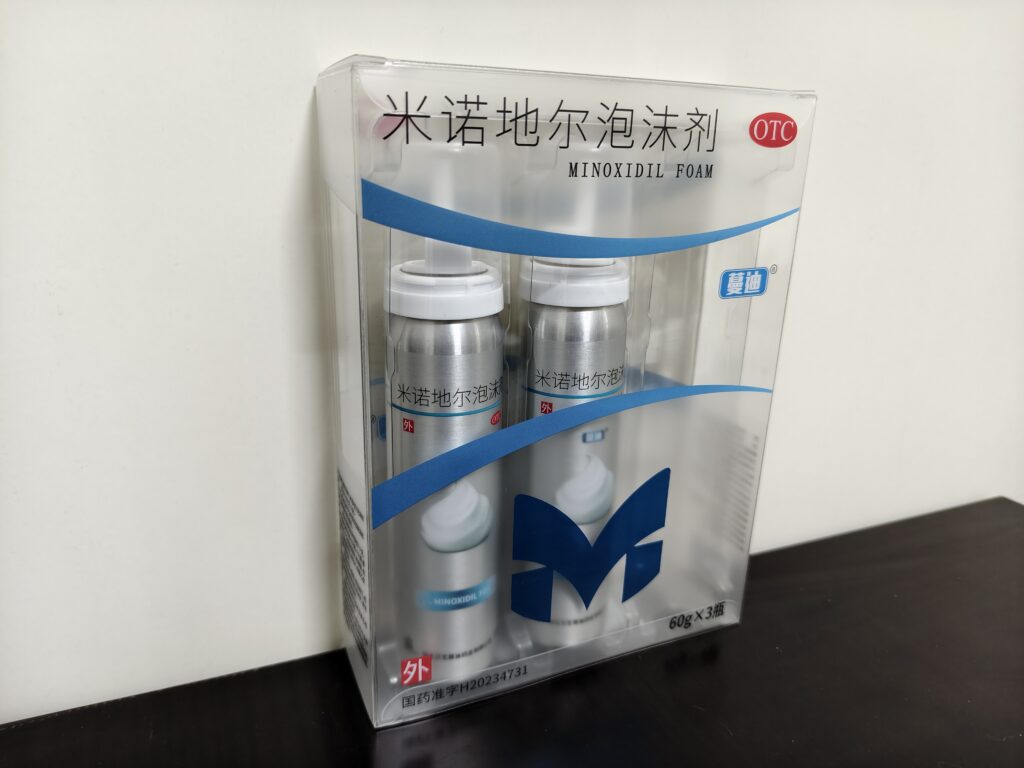
If the product needs a paper insert, PET tray, blister tray, foam pad, EVA support, internal divider, or printed card, provide the dimensions, material preference, and expected quantity for each component.
The manufacturer also needs to know how the product and accessories will be arranged inside the box. Several items packed together may require a larger box, stronger bottom structure, or a custom insert to prevent movement.
If the insert design is not ready, provide clear product photos, accessory dimensions, product weight, and the preferred presentation. The manufacturer can then recommend a suitable internal support solution and prepare a preliminary quotation.
Insert and Accessory Information to Provide
- Type of insert or tray required
- Insert material
- Insert dimensions
- Number of products packed together
- Accessory dimensions and weight
- Preferred product arrangement
- Whether the insert should be printed
- Whether assembly is required
- Whether components will be supplied by the buyer
- Reference photos or physical samples
For combination packaging, measure the complete packed arrangement rather than only the main product.
Sample Requirements
Sample requirements should be confirmed before placing a production order because different sample types have different costs, preparation times, and purposes.
A plain sample is mainly used to check box size, structure, folding, product fit, and assembly. It is usually faster and more economical than a fully printed sample.
A printed sample is more suitable when the buyer needs to confirm colors, white ink, transparency, printing position, special finishes, or the overall retail appearance. Because printing setup may be required, printed samples normally take longer and may involve additional cost.
When requesting a quotation, state whether you need a plain sample, printed sample, or both. Also confirm the required sample quantity, shipping destination, and whether the sample must use the final production material and thickness.
Sample Information to Provide
- Plain sample or printed sample
- Required sample quantity
- Product-fit testing requirements
- Final PET thickness requirement
- Printing and finishing details
- Whether a physical product will be supplied
- Sample delivery address
- Required sample completion date
- Whether courier cost will be paid by the buyer
- Whether sample approval is required before mass production
For many custom PET packaging projects, we can provide approximately 10–20 plain samples for evaluation, while the buyer pays the courier cost. Printed sample requirements should be confirmed separately because printing setup and finishing processes may affect the cost and lead time.
Delivery Destination and Shipping Requirements
The delivery destination can affect the quotation, packing method, carton size, shipping documents, and estimated lead time. When requesting a quotation, provide at least the destination country and, if possible, the city or postal code.
Also confirm whether you need an EXW, FOB, CIF, DDP, or another shipping term. If the quotation only covers the packaging boxes and does not include international freight, this should be stated clearly to avoid misunderstanding.
Most PET folding boxes can be shipped flat to reduce carton volume and transportation cost. However, pre-assembled boxes, inserts, trays, or special structures may require more shipping space and additional protective packing.
The manufacturer should also know whether the boxes will be delivered directly to your warehouse, to a freight forwarder in China, or to another assembly factory. These details help determine the correct packing and delivery arrangement.
Delivery Information to Provide
- Destination country
- Destination city or postal code
- Preferred shipping term
- Delivery to a warehouse, forwarder, or assembly factory
- Sea, air, rail, or courier shipping preference
- Required delivery date
- Whether the boxes should be shipped flat
- Whether pre-assembly is required
- Special carton or pallet requirements
- Required shipping marks or documents
If international freight is not yet required, the manufacturer can first provide a packaging quotation based on the product specifications and order quantity. Shipping costs can be checked separately after the packed carton dimensions, gross weight, and delivery address are confirmed.
These PET packaging box quotation requirements help the manufacturer prepare a more accurate price and reduce revisions before sampling.
Complete PET Packaging Box Quotation Checklist
Before requesting a quotation, use the following checklist to confirm that the manufacturer has enough information to calculate the box structure, material usage, printing cost, sampling requirements, and production price.
- Product length, width, and height
- Product weight
- Clear product photos
- Preferred packing orientation
- Required internal or external box dimensions
- Preferred PET box structure
- PET material type and thickness
- Printing colors and approximate coverage
- White ink and transparent area requirements
- Special finishing requirements
- Artwork and dieline availability
- Insert, tray, divider, or accessory requirements
- Quantity required for each size or design
- Sample type and sample quantity
- Delivery destination
- Preferred shipping term
- Required production or delivery date
- Reference packaging photos or physical samples
Not every detail must be finalized before the first inquiry. If the box structure, PET thickness, dieline, or printing method is still uncertain, provide the confirmed product information and explain which items require a manufacturer recommendation.
A preliminary quotation can be prepared from the available specifications, but the final price should be confirmed again after the structure, artwork, sample, and production quantity are approved.
Need a Custom PET Packaging Box Quotation?
Complete quotation information helps us review your packaging project faster and recommend a suitable PET box structure, material thickness, printing method, and production plan.
Send us your product dimensions, weight, photos, expected order quantity, printing requirements, and delivery destination. If you already have artwork, a dieline, or a reference sample, include those files in your inquiry.
If some packaging details have not yet been confirmed, our team can help review the product information and recommend an appropriate custom PET packaging solution before sampling.