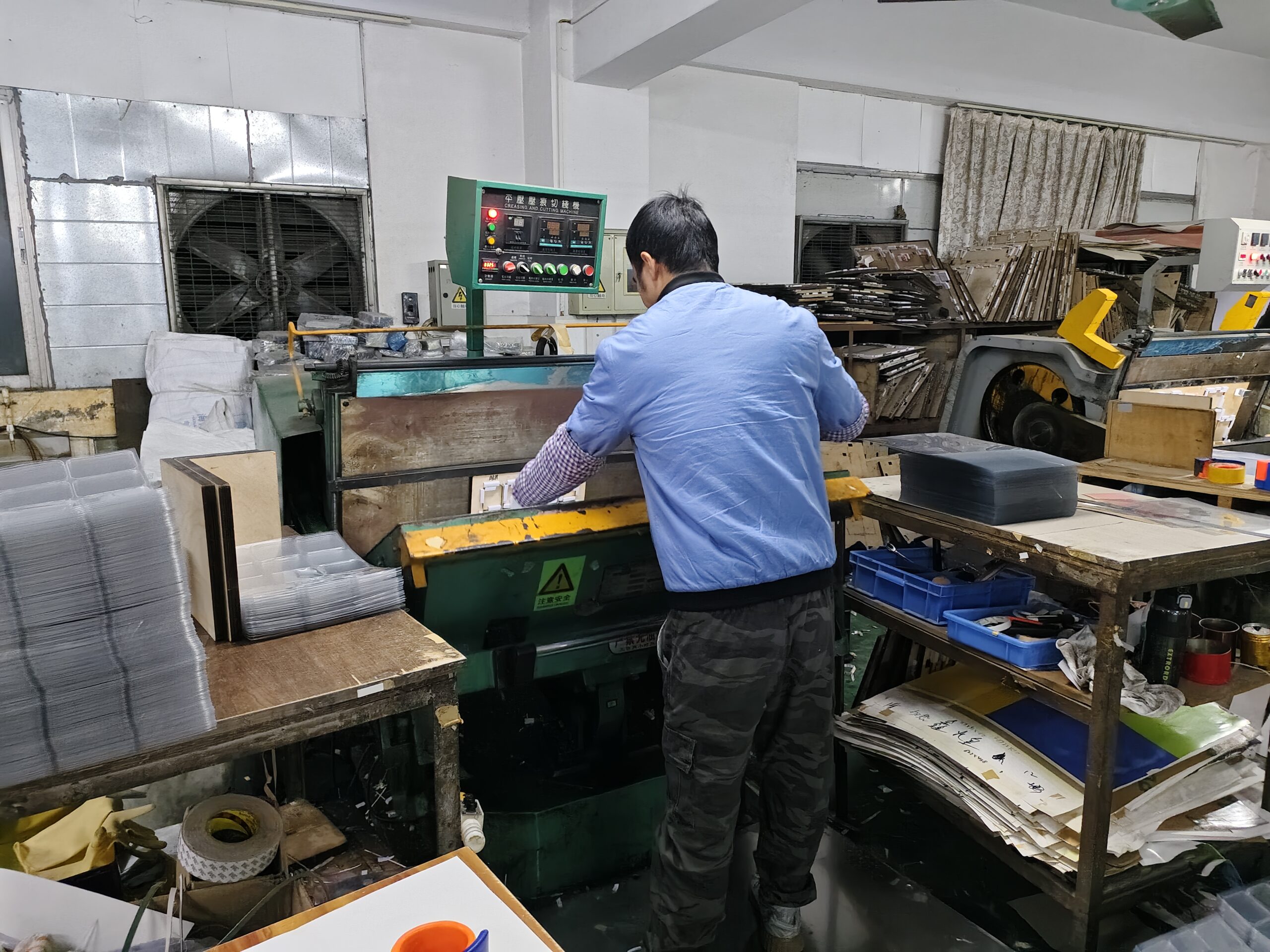
When ordering custom PET packaging boxes, buyers usually care about more than just the appearance and price. The box quality directly affects product presentation, customer experience, and brand image.
However, during the production and transportation of PET packaging boxes, some quality problems may occur if the manufacturing process is not properly controlled.
Common issues include surface scratches, broken folding lines, printing defects, incorrect dimensions, and deformation. These problems can affect the final packaging performance and may increase costs for buyers.
A reliable PET packaging box manufacturer should have strict quality control procedures from material inspection to final shipment.
In this guide, we will explain the most common PET packaging box quality problems, their causes, and how manufacturers can prevent these defects during production.
Why PET Packaging Box Quality Control Is Important
Custom PET packaging boxes are often used for products that require clear visibility and attractive presentation, such as cosmetics, phone accessories, toys, gifts, and retail products.
Because PET boxes are transparent, even small surface defects can be easily noticed by customers. Scratches, dust, poor folding lines, or printing problems may reduce the overall appearance of the package.
For brands and retailers, packaging quality is an important part of product value. A well-made PET box can improve shelf appeal, protect products, and create a more professional brand image.
For manufacturers, quality control helps reduce production errors, avoid unnecessary waste, and ensure that every shipment meets the buyer’s requirements.
Scratches on PET Surface
Surface scratches are one of the most common PET packaging box quality problems, especially for transparent PET boxes.
Because PET material has a clear and glossy surface, even small scratches can affect the appearance of the final packaging. For products displayed on retail shelves, visible scratches may reduce the professional look of the brand.
Common Causes of PET Box Scratches
PET box scratches may happen during different production and handling stages, including:
- Dust or small particles between PET sheets during processing
- Improper handling during cutting, creasing, or folding
- Friction between boxes during packing and transportation
- Lack of protective measures during production
How Manufacturers Prevent Surface Scratches
A professional PET packaging box manufacturer should take several steps to reduce scratching problems.
First, the production area should be kept clean to prevent dust and particles from damaging the PET surface.
Second, workers should handle PET sheets and finished boxes carefully during cutting, folding, inspection, and packing.
For large orders, protective films, plastic bags, or suitable packing methods can also help protect the surface quality during transportation.
Strict inspection before shipment is also important to ensure that boxes with visible scratches are removed before delivery.
Cracks or Broken Folding Lines
Cracks or broken folding lines are another common PET packaging box quality problem, especially for folding boxes that require precise creasing and assembly.
The folding lines determine how easily the PET box can be formed and whether the final box keeps a clean appearance. If the creasing process is not properly controlled, cracks or stress marks may appear during folding.
Common Causes of Folding Line Problems
Several factors can cause cracks or damaged folding lines:
- Incorrect creasing pressure during production
- Unsuitable PET sheet thickness for the box design
- Poor adjustment of production equipment
- Excessive force during manual folding or assembly
When folding lines are too deep, the PET material may become weak and crack easily. When the pressure is too low, the box may not fold correctly and the structure may become unstable.
How Manufacturers Prevent Folding Line Defects
To prevent folding line problems, manufacturers should control the creasing process carefully.
Before mass production, the creasing position and pressure should be tested according to the PET material thickness and box structure.
Experienced operators should check whether the folding lines are clean and accurate during production.
A final inspection before packing can help identify boxes with broken lines, deformation, or poor folding performance before shipment.
White Crease Marks on PET Boxes
White crease marks are another common issue that may affect the appearance of transparent PET packaging boxes.
When PET sheets are folded, excessive stress on the folding area can create visible white lines or marks. These marks are especially noticeable on clear PET boxes because the transparent material makes surface changes easier to see.
Common Causes of White Crease Marks
White crease marks are usually caused by:
- Excessive creasing pressure during production
- Incorrect adjustment of creasing equipment
- PET material thickness not matching the box design
- Improper folding methods during assembly
If the folding process is not properly controlled, the PET material may become stressed around the crease area and create unwanted white marks.
How Manufacturers Reduce White Crease Marks
To minimize white crease marks, manufacturers should select suitable PET thickness and adjust creasing pressure according to the product structure.
Before production, testing samples can help confirm whether the folding lines are suitable for the material.
During manufacturing, operators should inspect the crease quality and adjust the equipment when necessary.
A professional PET packaging box factory should balance folding performance and appearance quality to ensure the finished boxes meet customer expectations.
Printing Defects on PET Packaging Boxes
For printed PET packaging boxes, printing quality is an important factor that affects the final appearance and brand presentation.
Common printing defects may include color differences, unclear patterns, poor ink adhesion, and missing printing areas. These problems can make the packaging look inconsistent and may affect the buyer’s brand image.
Common Causes of Printing Defects
Printing problems can happen due to several reasons:
- Incorrect printing settings
- Poor color matching during production
- Contaminated PET surfaces before printing
- Improper ink adhesion treatment
- Insufficient quality inspection after printing
Because PET packaging boxes are often used for retail products, even small printing differences can be noticeable, especially for brands that require consistent packaging appearance.
How Manufacturers Prevent Printing Problems
To reduce printing defects, manufacturers should confirm the artwork, colors, and printing requirements before production.
Sample approval is also an important step before mass production. Buyers can check the actual printing effect and confirm colors before the full order begins.
During production, manufacturers should inspect printed sheets carefully to ensure the pattern, color, and position meet the approved sample.
For custom PET packaging boxes with printing requirements, strict quality control helps ensure every box maintains a consistent appearance.
Incorrect PET Packaging Box Dimensions
Incorrect dimensions are another important PET packaging box quality problem that may affect product fitting and assembly.
For custom packaging boxes, even a small size difference can cause problems. The product may not fit properly inside the box, or the folding structure may not close correctly.
Common Causes of Dimension Problems
PET box dimension problems can happen because of:
- Incorrect measurements provided during the design stage
- Mistakes when creating the cutting template
- Production equipment adjustment errors
- Lack of sample confirmation before mass production
For custom orders, the box size, folding structure, and product requirements should always be confirmed before production begins.
How Manufacturers Prevent Size Errors
A professional PET packaging box manufacturer should check all drawings and specifications before making production samples.
Sample approval is an effective way to confirm dimensions, folding performance, and product fitting before starting bulk production.
During mass production, regular inspections should be performed to ensure the cutting and folding processes remain consistent.
Clear communication between buyers and manufacturers can also help avoid dimension problems and ensure the final PET boxes meet the customer’s requirements.
Folding Alignment Problems
Folding alignment problems can affect the appearance and usability of custom PET packaging boxes.
PET folding boxes rely on accurate crease lines and cutting positions to achieve a proper structure. If the folding position is not accurate, the box may look uneven or fail to close correctly.
Common Causes of Folding Alignment Problems
Folding alignment issues may happen because of:
- Incorrect cutting or creasing position
- Machine adjustment problems during production
- Inaccurate templates or drawings
- Material movement during processing
For transparent PET boxes, even small alignment differences can be easily noticed because the clear surface shows every structural detail.
How Manufacturers Prevent Folding Alignment Problems
To reduce folding alignment problems, manufacturers should check cutting and creasing accuracy before mass production.
Production samples should be assembled and tested to confirm that all folding lines, locking parts, and connecting areas work properly.
During production, operators should regularly inspect the box structure and adjust equipment settings when necessary.
A complete quality inspection before shipment helps ensure that PET packaging boxes have consistent folding performance and appearance.
Printing Color Differences
For custom PET packaging boxes with printing, color consistency is an important part of quality control.
Because PET boxes are often used for product display, even small color differences may affect the overall appearance of the packaging.
Printing problems can happen because of differences in artwork files, color settings, printing conditions, or material surfaces.
Common Causes of Printing Color Differences
Printing color differences may occur due to:
- Incorrect color settings in design files
- Differences between digital samples and actual printed results
- Uneven ink application during printing
- Lack of sample approval before mass production
For brands that require consistent packaging appearance, controlling printing quality is especially important for repeat orders.
How Manufacturers Prevent Printing Color Problems
To reduce printing color differences, manufacturers should confirm artwork files and printing requirements before production.
A pre-production sample allows buyers to check the actual printing effect and confirm colors before mass production begins.
During production, printed PET sheets should be inspected to ensure that colors, patterns, and positions match the approved sample.
Clear communication between buyers and manufacturers helps avoid misunderstandings and ensures that custom PET packaging boxes meet the expected appearance standards.
Packaging and Shipping Damage
Even when PET packaging boxes are produced with good quality, improper packing or transportation can cause damage before they reach the buyer.
Because PET boxes are transparent and lightweight, they need suitable protection during storage and shipping to avoid scratches, deformation, or crushing.
Common Causes of Shipping Damage
Shipping damage may happen because of:
- Weak outer cartons
- Insufficient protection between boxes
- Excessive stacking pressure
- Rough handling during transportation
- Improper storage conditions
For international shipments, long-distance transportation and multiple handling processes can increase the risk of packaging damage.
How Manufacturers Prevent Shipping Damage
To protect PET packaging boxes during delivery, manufacturers should use suitable packing methods according to the box size, thickness, and order quantity.
Flat packing is commonly used for PET folding boxes because it reduces shipping volume and helps protect the box structure.
Strong export cartons should be selected to prevent crushing during transportation. Additional protection materials can also be used when necessary.
Before shipment, manufacturers should check carton condition, product quantity, and packing method to ensure the order is prepared correctly.
Buyers should also inspect cartons and products after delivery and report any visible damage as soon as possible.
PET Packaging Box Quality Control Process
A reliable PET packaging box manufacturer should have a complete quality control process to ensure stable product quality from material preparation to final shipment.
Quality control is not only about checking finished products. It should be included in every stage of production.
Material Inspection
Before production begins, manufacturers should check the PET material quality, thickness, transparency, and surface condition.
Using suitable PET sheets helps ensure that the finished boxes have good appearance and structural performance.
Production Process Inspection
During cutting, creasing, folding, and gluing processes, manufacturers should regularly check production accuracy.
Operators should inspect folding lines, box structure, and appearance quality to identify problems early.
Sample Approval Before Mass Production
For custom PET packaging boxes, sample approval is an important step before bulk production.
Buyers can confirm box size, structure, printing effect, and overall appearance before the full order starts.
This helps reduce misunderstandings and prevents unnecessary production changes.
Final Product Inspection
Before packing, finished PET boxes should be inspected for:
- Surface scratches
- Folding accuracy
- Printing quality
- Box dimensions
- Quantity accuracy
Only qualified products should be prepared for shipment.
Packing Inspection Before Shipping
Before delivery, manufacturers should confirm carton strength, packing quantity, and shipping labels.
Proper packing inspection helps reduce damage risks during transportation and ensures buyers receive products in good condition.
Conclusion
Custom PET packaging box quality problems can affect product appearance, protection performance, and customer satisfaction.
Common issues such as scratches, cracks, folding defects, printing differences, incorrect dimensions, and shipping damage can usually be reduced through proper production control and inspection.
A reliable PET packaging box manufacturer should pay attention to every stage, including material selection, production process, sample approval, final inspection, and packing before shipment.
For buyers, choosing an experienced manufacturer and confirming product details before mass production can help avoid unnecessary quality problems.
If you are looking for custom PET packaging boxes with stable quality and professional production support, contact us with your box size, design requirements, and order quantity. We can help evaluate your packaging project and provide a suitable solution.