Custom PET packaging boxes are widely used for products that require clear visibility, lightweight protection, and an attractive presentation. From phone accessories and cosmetics to toys and gift products, PET boxes help brands display their products while protecting them during storage and transportation.
Many buyers only see the finished packaging, but a custom PET packaging box involves several production steps before it is ready for shipment. The manufacturing process includes material selection, structural design, cutting, creasing, folding, quality inspection, and final packing.
Understanding the PET packaging box manufacturing process helps buyers communicate better with suppliers, avoid unnecessary costs, and choose the right packaging solution for their products.
Material Selection for PET Packaging Boxes
The first step in manufacturing custom PET packaging boxes is selecting the right PET sheet material.
PET (Polyethylene Terephthalate) is commonly chosen for transparent packaging because it provides excellent clarity, good strength, and a clean appearance. The transparency allows customers to see the product inside without opening the package, making it suitable for retail displays.
Before production begins, manufacturers usually confirm several material details:
- PET sheet thickness
- Box size and dimensions
- Required transparency
- Product weight and protection requirements
- Printing or finishing requirements
The thickness of the PET sheet should match the actual product requirements. Using material that is too thin may affect box strength, while excessive thickness can increase material costs and shipping weight.
A professional manufacturer will recommend a suitable PET thickness based on the box structure, product weight, and final application.
Confirming Box Design and Specifications
After selecting the material, the next step is confirming the box design.
Custom PET packaging boxes are usually produced according to the customer’s product dimensions and packaging requirements. Before mass production, manufacturers need to confirm important details including:
- Product dimensions
- Box structure
- Folding method
- Printing artwork
- Transparent window areas
- Assembly requirements
For customers who already have packaging drawings, manufacturers can produce according to the provided design. If customers only have product samples or basic requirements, experienced suppliers can help create a suitable box structure.
The design stage is important because incorrect dimensions or unnecessary structural complexity can increase production costs and affect the final packaging performance.
A well-designed PET box should provide enough protection while remaining easy to assemble and efficient for shipping.
PET Sheet Cutting Process
Once the design is confirmed, production starts with cutting the PET sheet.
PET packaging box manufacturers cut large PET sheets or rolls into the required sizes according to the box design. Accurate cutting is important because small errors may affect folding accuracy and the final appearance of the box.
During this process, manufacturers pay attention to:
- Cutting dimensions
- Edge quality
- Material utilization
- Production consistency
Proper material planning can also help reduce waste and control packaging costs.
For custom orders with multiple sizes or designs, manufacturers organize cutting plans carefully to maintain production efficiency and consistent quality.
Creasing and Folding Line Formation
After the PET sheet is cut into the correct size, the next step is creating folding lines.
Creasing is an important process in PET packaging box manufacturing because it determines how accurately the box can be folded and assembled.
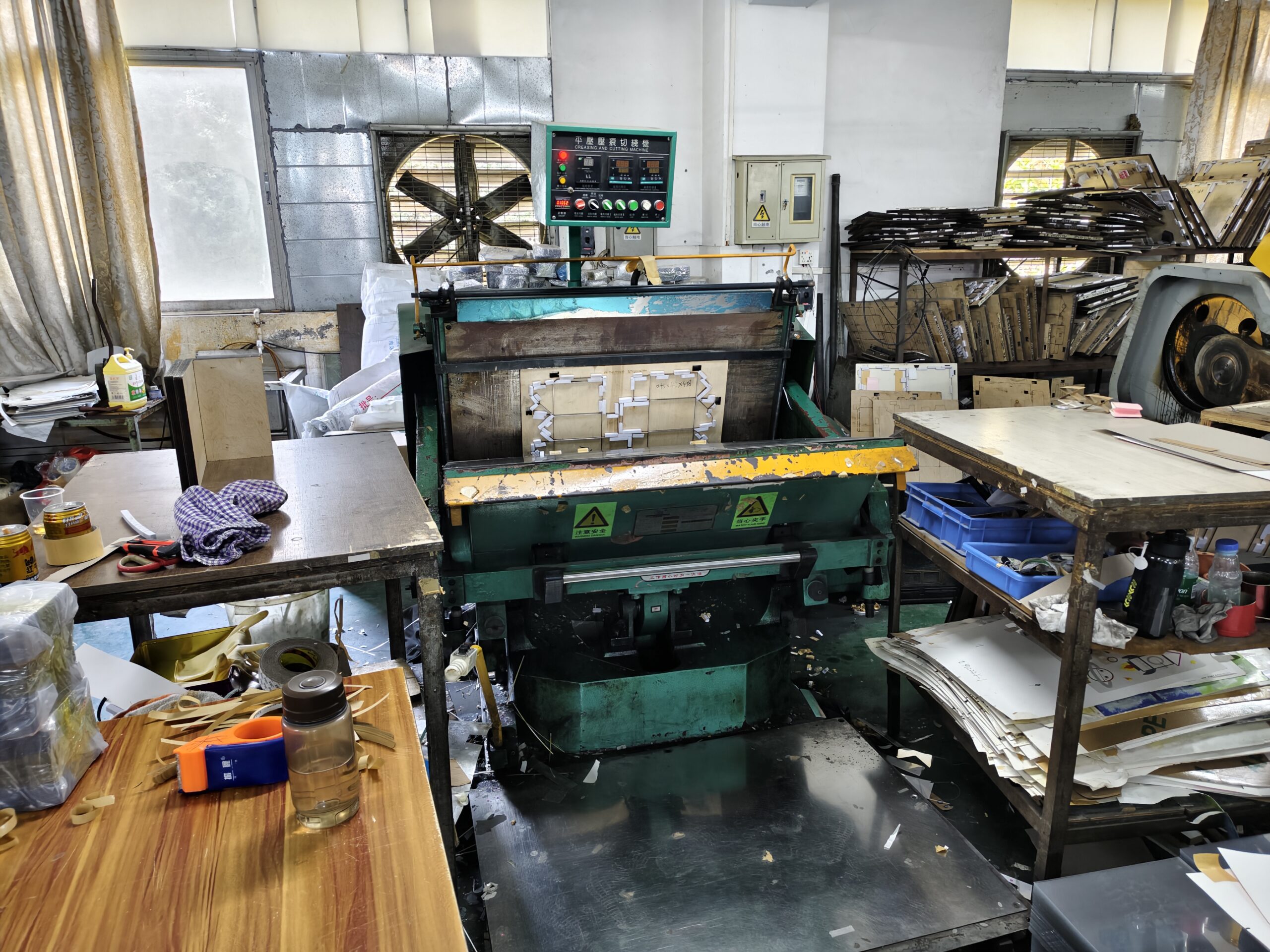
During production, manufacturers use creasing equipment to create precise folding marks on the PET sheet according to the box structure.
The creasing process needs to balance several factors:
- Folding accuracy
- Line position consistency
- Material thickness
- Final box appearance
If the creasing lines are not accurate, the finished box may have uneven edges, incorrect angles, or difficulty during assembly.
For transparent PET boxes, clean and accurate folding lines are especially important because customers can easily see the overall appearance of the packaging.
A professional manufacturer will adjust the creasing pressure according to the PET thickness and box design to achieve smooth folding without damaging the material.
Folding and Box Assembly
After creasing, the PET sheet moves to the folding stage.
Unlike rigid plastic containers, PET folding boxes are produced from flat sheets and formed into three-dimensional packaging through folding and assembly.
During this process, manufacturers complete steps such as:
- Folding the box panels
- Checking the structure
- Applying adhesive when required
- Preparing finished flat-packed boxes
The advantage of PET folding boxes is that they can be shipped and stored efficiently before final assembly. This helps reduce transportation volume and storage space compared with many traditional packaging solutions.
For custom orders, manufacturers also need to confirm whether customers require:
- Flat-packed boxes
- Pre-assembled boxes
- Automatic bottom structures
- Special locking designs
Choosing the right structure can improve packaging efficiency and reduce unnecessary labor costs.
Printing and Surface Finishing (Optional)
Some PET packaging boxes require printing or additional finishing to improve brand recognition.
Common customization options include:
- Logo printing
- Product information printing
- Color patterns
- Special surface effects
Transparent PET boxes are often used without printing because the clear appearance itself provides a premium product display effect.
For printed PET packaging boxes, manufacturers usually need to confirm artwork files, colors, printing methods, and production quantities before starting mass production.
Because printing involves additional processes, it may affect production time and overall cost. Buyers should confirm these details early during the design stage.
custom PET packaging box pricing guide
Quality Inspection for PET Packaging Boxes
After the production process is completed, manufacturers need to inspect the finished PET packaging boxes before shipment.
Quality inspection helps ensure that the boxes meet customer requirements in terms of appearance, structure, and usability.
Common inspection items include:
- Box dimensions
- Folding accuracy
- Surface scratches or marks
- Transparency and appearance
- Printing quality (for printed boxes)
- Assembly performance
For transparent PET packaging boxes, appearance inspection is especially important because customers usually choose PET boxes for product visibility and presentation.
A small defect such as scratches, unclear folding lines, or incorrect dimensions may affect the final packaging experience.
Professional manufacturers normally check samples during production and perform final inspections before packing to reduce quality problems.
Packing and Shipping of PET Packaging Boxes
After quality inspection, PET packaging boxes are prepared for packing and shipment.
Because PET folding boxes can be shipped flat, they can save storage space and reduce transportation volume compared with pre-assembled packaging.
During packing, manufacturers usually pay attention to:
- Protection against scratches
- Quantity accuracy
- Carton strength
- Shipping safety
For international orders, proper packing is important because products may experience long-distance transportation and multiple handling processes.
A reliable PET packaging box supplier should consider not only production quality but also how the products arrive safely at the customer’s location.
Why Choose an Experienced PET Packaging Box Manufacturer?
Choosing the right manufacturer can affect the final quality, cost, and delivery experience of custom PET packaging boxes.
An experienced supplier can help customers with:
- Material selection
- Box structure optimization
- Production suggestions
- Quality control
- Packaging solutions
For buyers who are developing new products, working with a manufacturer that understands PET folding box production can reduce communication problems and avoid unnecessary production mistakes.
A good supplier should not only produce boxes according to drawings but also provide practical recommendations based on product requirements.
How to Choose the Right PET Packaging Box Manufacturer
Conclusion: Understanding the PET Packaging Box Manufacturing Process
Understanding how custom PET packaging boxes are made helps buyers make better decisions when selecting packaging suppliers.
From material selection and structural design to cutting, creasing, folding, printing, and quality inspection, every production step can influence the final packaging quality.
A reliable PET packaging box manufacturer should provide not only production capability but also professional suggestions during the development process.
By working with an experienced supplier, customers can achieve better packaging performance, stable quality, and more efficient production.
If you are looking for custom PET packaging boxes for cosmetics, phone accessories, toys, gifts, or other products, our team can help you develop a suitable packaging solution.
Contact us to discuss your PET packaging box requirements and request a quotation.