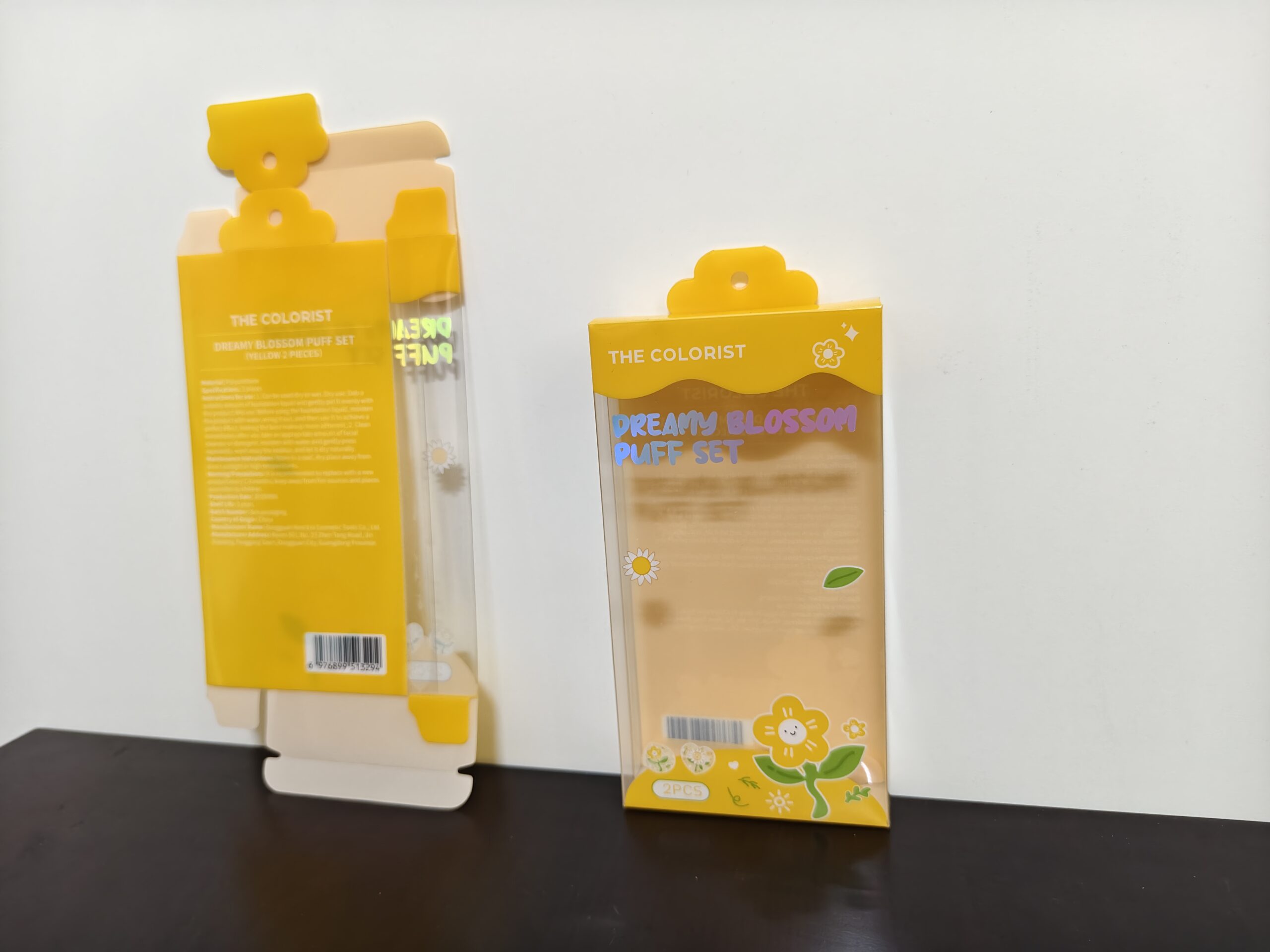
PET packaging box shipping requires suitable flat packing, surface protection, strong export cartons, and a clear transportation plan.
Most PET folding boxes are shipped flat rather than fully assembled. Flat packing helps reduce carton volume, lower shipping costs, and protect the box structure during delivery.
The exact packing and shipping method depends on the box size, PET thickness, printing requirements, order quantity, destination, and transportation method.
In this guide, we will explain how custom PET packaging boxes are packed, protected, and shipped from the factory to the buyer.
How Are PET Packaging Boxes Usually Packed?
Custom PET packaging boxes are usually packed flat after production and inspection.
A clear PET packaging box shipping plan can help reduce freight volume, prevent surface damage, and avoid misunderstandings about delivery responsibilities.
Before packing, the boxes should be checked for scratches, cracks, white crease marks, printing defects, incorrect dimensions, and other visible quality problems.
The flat boxes are then arranged in neat stacks and packed according to the agreed quantity per bag or carton.
Depending on the order requirements, the boxes may be packed in protective plastic bags, inner cartons, and export cartons to reduce dust, moisture, pressure, and movement during transportation.
Why Are PET Packaging Boxes Usually Shipped Flat?
Most custom PET packaging boxes are shipped flat instead of fully assembled.
Flat packing reduces the amount of space required inside the shipping carton, which can lower freight costs and improve carton utilization.
It also helps prevent the boxes from being crushed, deformed, or opened during transportation.
After receiving the shipment, the buyer can fold and assemble the boxes before packing the final products.
Reduce Shipping Volume
A fully assembled PET box occupies much more space than a flat box.
By stacking the boxes flat, more pieces can be packed into each carton, which helps reduce the total number of cartons required.
This is especially important for overseas orders because air freight, express delivery, and sea freight costs are often affected by shipment volume.
Protect the Box Structure
Shipping PET boxes flat can also help protect the box shape during handling and transportation.
Assembled boxes may be compressed, bent, or opened when cartons are moved or stacked.
Flat boxes can be arranged more evenly inside the carton, reducing pressure on the side panels, flaps, and locking structures.
Make Storage More Efficient
Flat-packed PET boxes require less storage space after they arrive at the buyer’s warehouse.
The boxes can be stored in cartons and assembled only when they are needed for packing.
This can help buyers manage inventory more efficiently, especially when the order quantity is large.
How Are PET Packaging Boxes Protected During Packing?
Because PET packaging boxes have clear and glossy surfaces, they require careful protection during packing.
The packing method should reduce friction, dust, moisture, pressure, and movement inside the carton.
The exact protection method depends on whether the boxes are clear or printed, the PET thickness, the box size, and the shipping distance.
Use Protective Bags
Flat PET boxes may be packed in plastic bags before they are placed into cartons.
The bags help protect the surfaces from dust, moisture, and direct contact with the carton.
For printed or high-gloss boxes, protective bags can also reduce friction between the boxes during handling.
Keep the Boxes Aligned
The flat boxes should be arranged in even stacks so that the edges, crease lines, and locking flaps remain aligned.
Uneven stacking may create pressure on certain areas and increase the risk of bending, scratching, or deformation.
The quantity per stack should be controlled according to the box size and PET thickness.
Use Strong Export Cartons
The outer cartons should be strong enough to protect the boxes during loading, transportation, and warehouse handling.
Carton strength should be selected according to the shipment weight, carton size, stacking height, and shipping method.
If necessary, additional corner protection, inner cartons, or cushioning materials can be used to reduce movement and pressure.
For more details about surface protection and common defects, read our guide to PET packaging box quality problems and prevention.
What Shipping Methods Are Available for PET Packaging Boxes?
The most suitable PET packaging box shipping method depends on the order quantity, destination, budget, carton volume, and required delivery time.
The shipping method should be selected according to the order quantity, destination, budget, carton volume, and required delivery time.
Because PET folding boxes are lightweight but may occupy considerable carton volume, both actual weight and volumetric weight should be considered when comparing shipping costs.
The most common options include express delivery, air freight, and sea freight.
Express Delivery
Express delivery is usually suitable for samples, small orders, replacement boxes, or urgent shipments.
It is generally faster and easier to arrange than larger freight shipments, but the cost per carton may be higher.
Before using express delivery, buyers should confirm the carton dimensions, chargeable weight, delivery address, and estimated transit time.
Air Freight
Air freight can be suitable for medium-sized orders that require faster delivery than sea freight.
The cost is often affected by both actual weight and shipment volume, so flat packing is especially important.
Buyers should also confirm whether airport pickup, customs clearance, and final delivery are included in the shipping arrangement.
Sea Freight
Sea freight is commonly used for larger orders when shipping cost is more important than delivery speed.
It usually offers a lower transportation cost for high-volume shipments, but the transit time is longer and additional customs or local delivery arrangements may be required.
The cartons should be strong enough for longer transportation, repeated handling, and warehouse stacking.
Buyer-Arranged Shipping
Some buyers prefer to use their own freight forwarder or shipping account.
In this case, the factory should provide the carton quantity, carton dimensions, gross weight, pickup address, and expected ready date.
Both sides should confirm clearly who is responsible for booking, export documents, pickup, customs clearance, and final delivery.
What Information Should Be Confirmed Before Shipping?
Before the shipment is booked, the buyer and manufacturer should confirm the main shipping details clearly.
Incomplete delivery information may delay pickup, increase shipping costs, or create problems during customs clearance and final delivery.
The required information depends on the shipping method and destination.
Delivery Address and Contact Details
The buyer should provide the complete delivery address, postal code, contact person, telephone number, and email address.
For commercial addresses, the company name and any receiving restrictions should also be confirmed.
Incorrect or incomplete information may cause delivery delays, additional charges, or returned shipments.
Carton Quantity and Dimensions
The factory should provide the final carton quantity, carton dimensions, gross weight, and net weight after packing is completed.
These details help the buyer or freight forwarder calculate shipping costs and arrange the correct transportation method.
Because PET packaging boxes may have a relatively low actual weight but large carton volume, volumetric weight should also be considered.
Shipping Terms and Responsibilities
Both sides should confirm who is responsible for freight booking, export documents, customs clearance, duties, local delivery, and any additional shipping charges.
The agreed shipping terms should be written clearly in the quotation or order confirmation.
This helps prevent misunderstandings about which costs and responsibilities are included.
Production and Transit Time
Production lead time and shipping transit time should be calculated separately.
The factory may provide an estimated production completion date, while the courier or freight forwarder provides the estimated transportation time.
Buyers should also allow extra time for customs clearance, weekends, holidays, weather, port congestion, or other possible delays.
For production planning, read our PET packaging box lead time guide before confirming the required delivery date.
How Can Buyers Reduce Shipping Risks?
Shipping risks can be reduced when the packing method, carton specifications, transportation plan, and delivery responsibilities are confirmed before shipment.
Buyers should review the shipping details carefully instead of considering freight only after production is completed.
Confirm the Packing Method Before Production
The packing method should be discussed before mass production, especially for large, printed, or high-gloss PET boxes.
Both sides should confirm whether the boxes will be shipped flat, how many pieces will be packed per bag or carton, and whether inner cartons or additional protection are required.
Confirming these details early allows the factory to prepare suitable cartons and avoid last-minute packing changes.
Avoid Overloading the Cartons
Putting too many PET boxes into one carton may increase pressure on the lower stacks and raise the risk of bending, crease damage, or surface marks.
The quantity per carton should be selected according to the box dimensions, PET thickness, carton strength, and total shipment weight.
A slightly larger number of well-protected cartons may be safer than fewer cartons that are overloaded.
Request Packing Photos Before Shipment
Before pickup, buyers can ask for photos showing the packed boxes, protective bags, carton condition, shipping marks, and total carton quantity.
Packing photos help confirm that the shipment has been prepared according to the agreed method.
They can also provide a useful reference if any carton damage or quantity problem is found after delivery.
Inspect the Cartons After Delivery
After the shipment arrives, the buyer should check the outer cartons for crushing, moisture, holes, or other visible damage before opening them.
If serious damage is found, photos should be taken immediately and the courier or freight forwarder should be informed.
The PET boxes should then be checked for scratches, bending, deformation, or quantity differences before they are used for packing.
Frequently Asked Questions About PET Packaging Box Shipping
Are PET Packaging Boxes Usually Shipped Flat?
Yes. Most PET folding boxes are shipped flat because flat packing reduces carton volume, lowers shipping costs, and helps protect the box structure during transportation.
The buyer normally assembles the boxes after receiving the shipment.
How Are Clear PET Boxes Protected From Scratches?
Clear PET boxes are usually arranged in aligned stacks and may be packed in protective bags, inner cartons, or export cartons.
The packing method should reduce friction, dust, moisture, pressure, and movement inside the carton.
Which Shipping Method Is Best for PET Packaging Boxes?
The best shipping method depends on the order quantity, destination, budget, carton volume, and required delivery time.
Express delivery is often used for samples or urgent small shipments, while air freight and sea freight are more suitable for larger commercial orders.
Conclusion
Custom PET packaging boxes are normally inspected, stacked flat, protected with suitable packing materials, and placed into strong cartons before shipment.
Flat packing helps reduce freight volume, protect the box structure, and improve storage efficiency after delivery.
The final PET packaging box shipping plan should be confirmed according to the box size, PET thickness, printing requirements, order quantity, destination, and required delivery schedule.
Before shipment, buyers should confirm the packing method, carton quantity, carton dimensions, shipping responsibilities, production completion date, and estimated transit time.
If you are planning a custom PET packaging box order, contact us with your box size, quantity, destination, and shipping requirements. We can help evaluate the packing method and provide the shipment details required for freight planning.